7 articles found
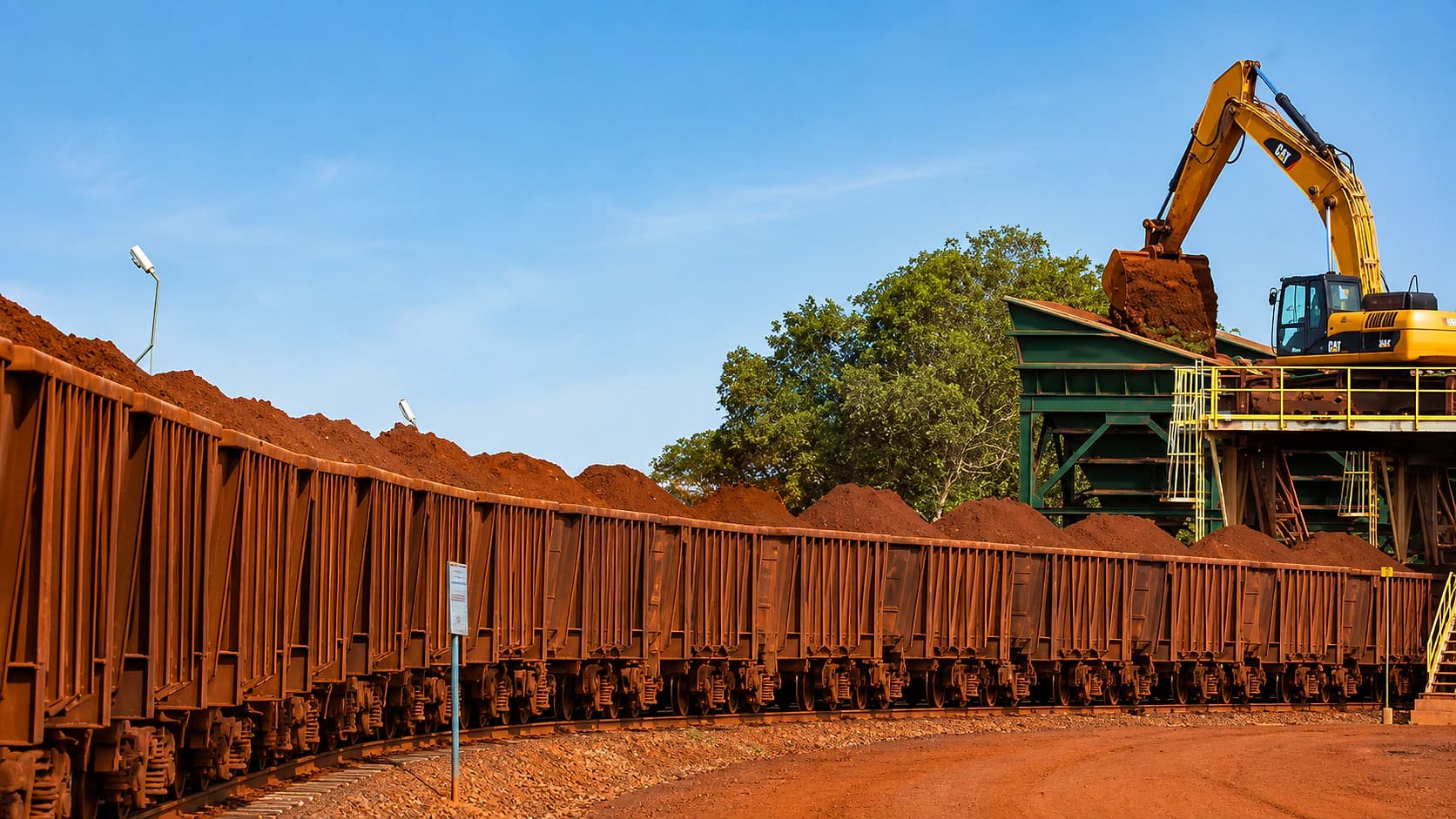
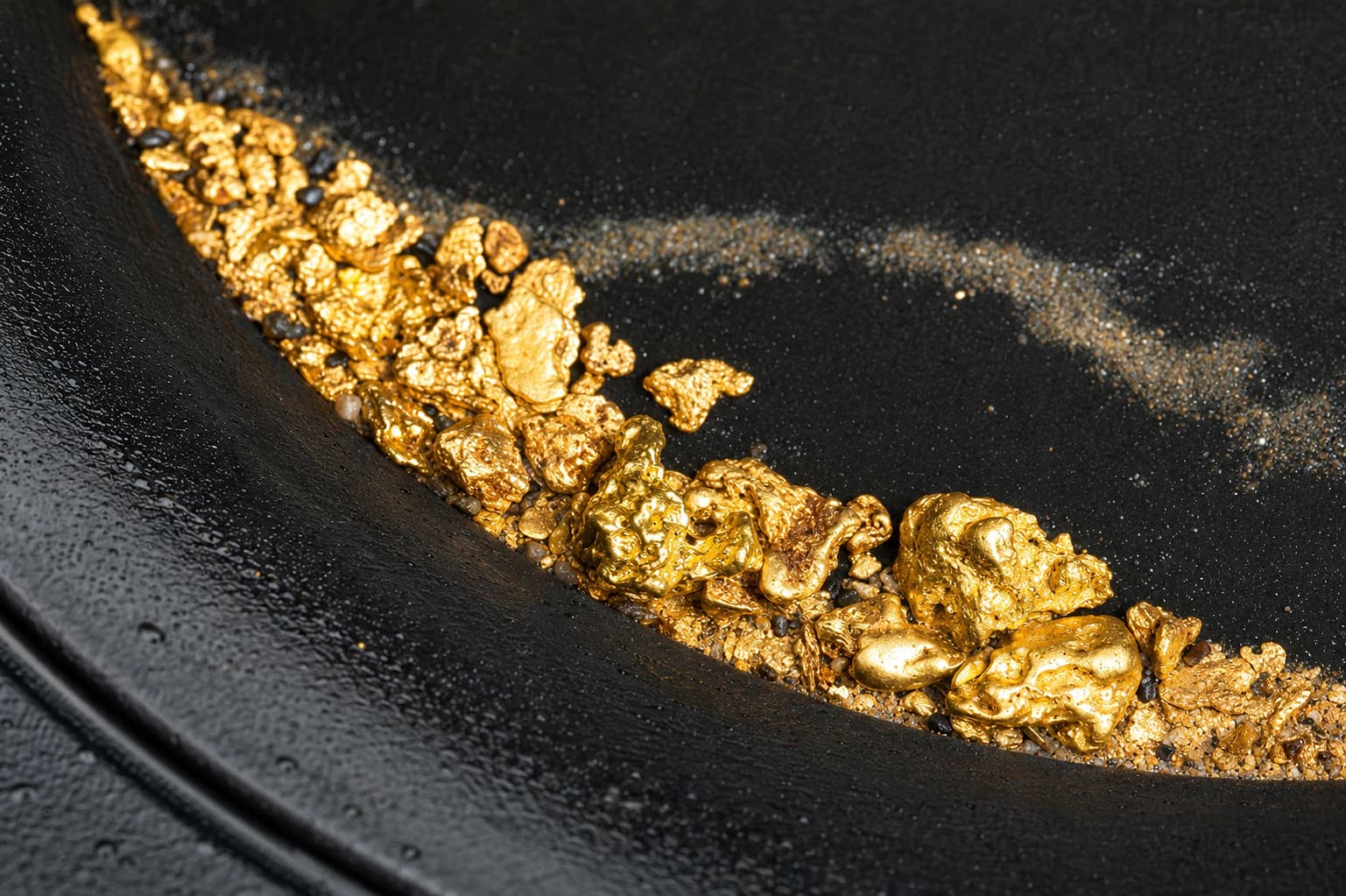
Gold exports reached US$175.13 million in March 2026, up 111.87% year-on-year, and now account for 66.52% of total monthly exports, according to CBL data. Combined with iron ore, two commodities make up 92.59% of export earnings — a level of concentration that turns a single global price move into a national-accounts event.
Mining surged past US$1 billion and gold and iron-ore exports boomed in 2025, while agriculture grew barely 1% and most Liberians work in sectors expanding far more slowly. The split defines who benefits from the country's growth.
The Liberian dollar closed March 2026 at L$183.93 per US dollar — about 8% stronger than a year earlier, supported by booming gold exports and steady remittances, though it has given back ground since the end of 2025. In a dual-currency, import-dependent economy, the rate shapes everything from fuel prices to inflation.
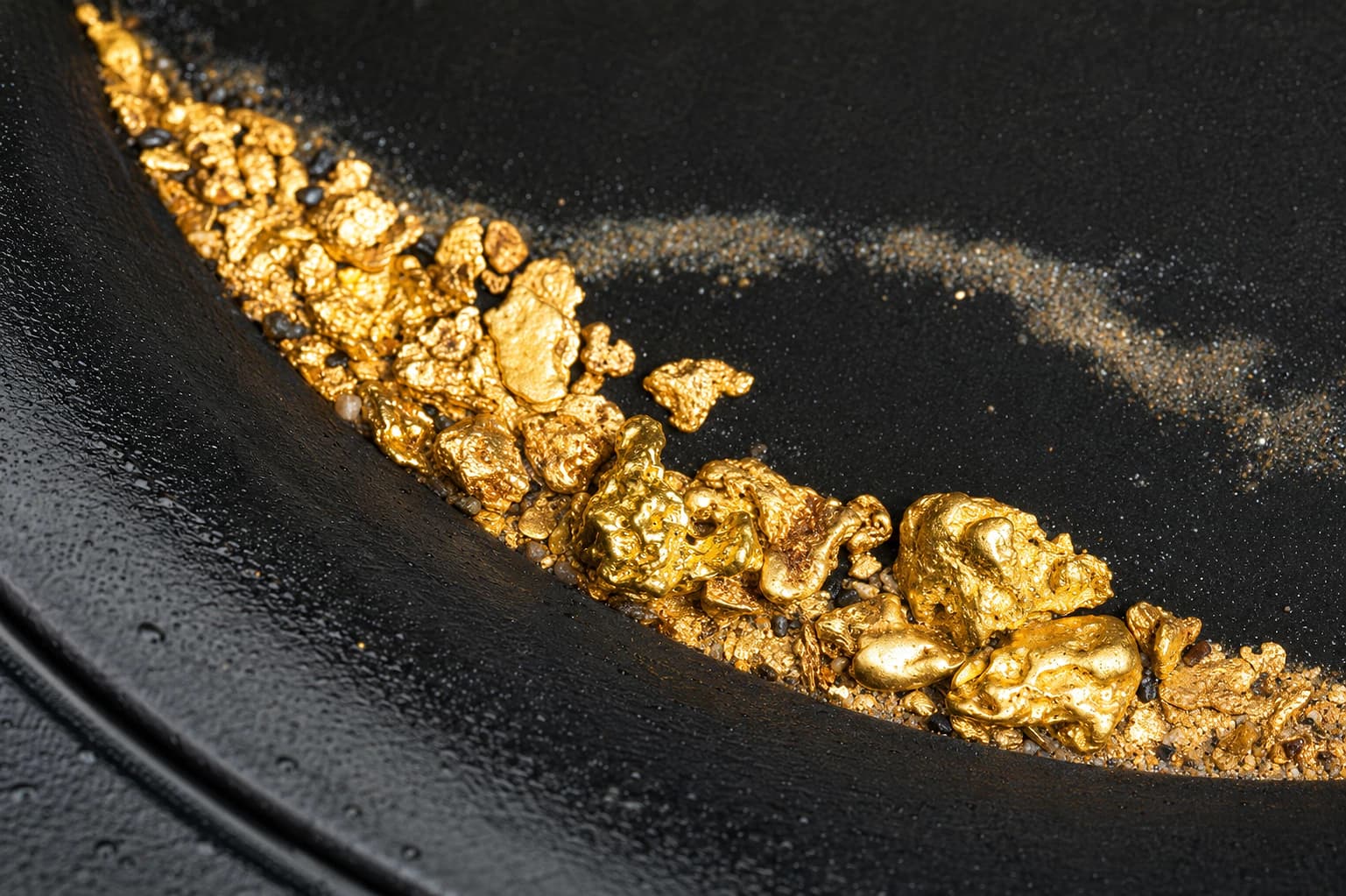
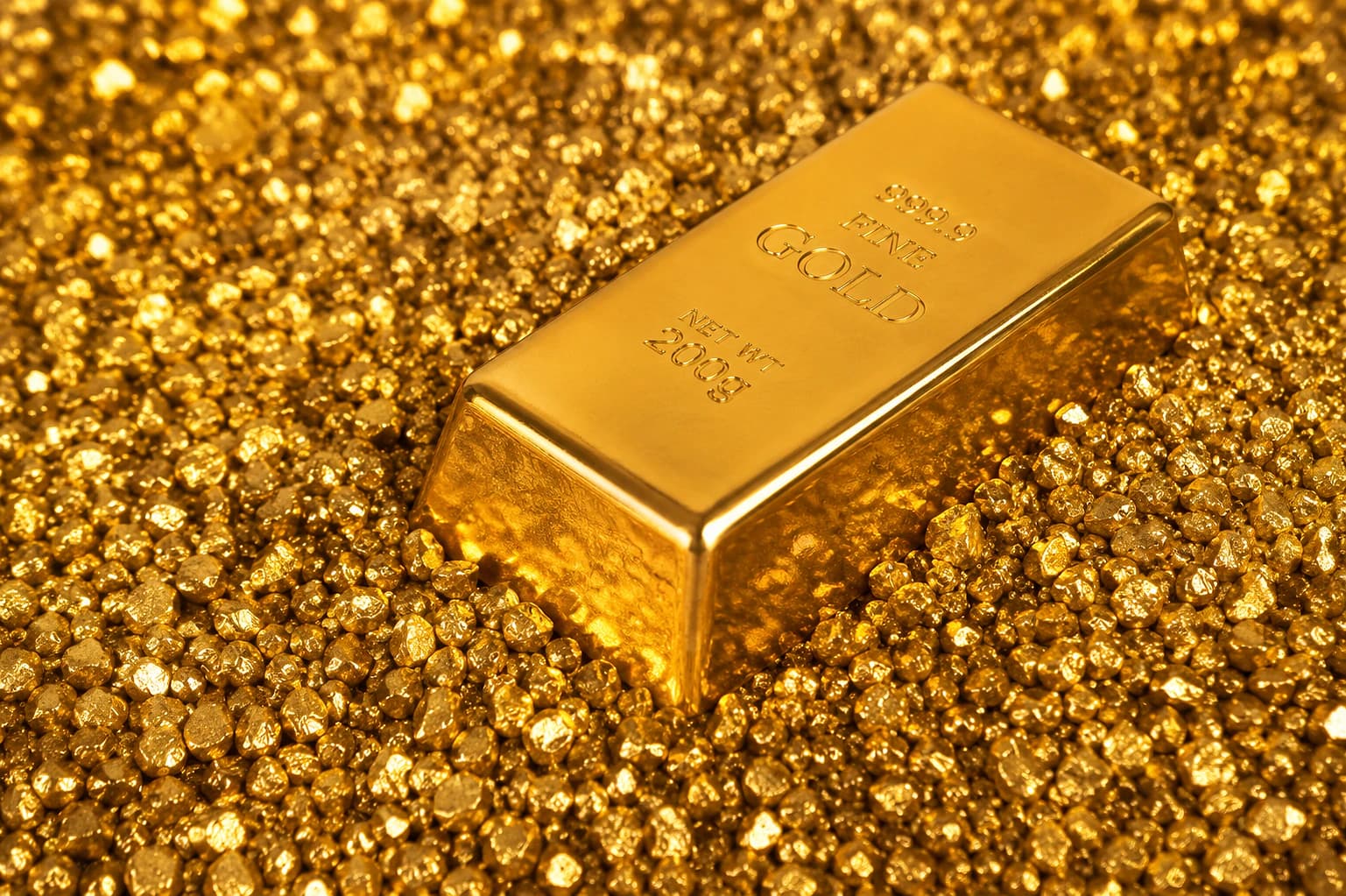
Gold exports reached US$175 million in March 2026, more than double a year earlier and well ahead of iron ore, as output climbed to nearly 38,000 ounces. The metal's rise has reshaped Liberia's export base and helped steady the currency.
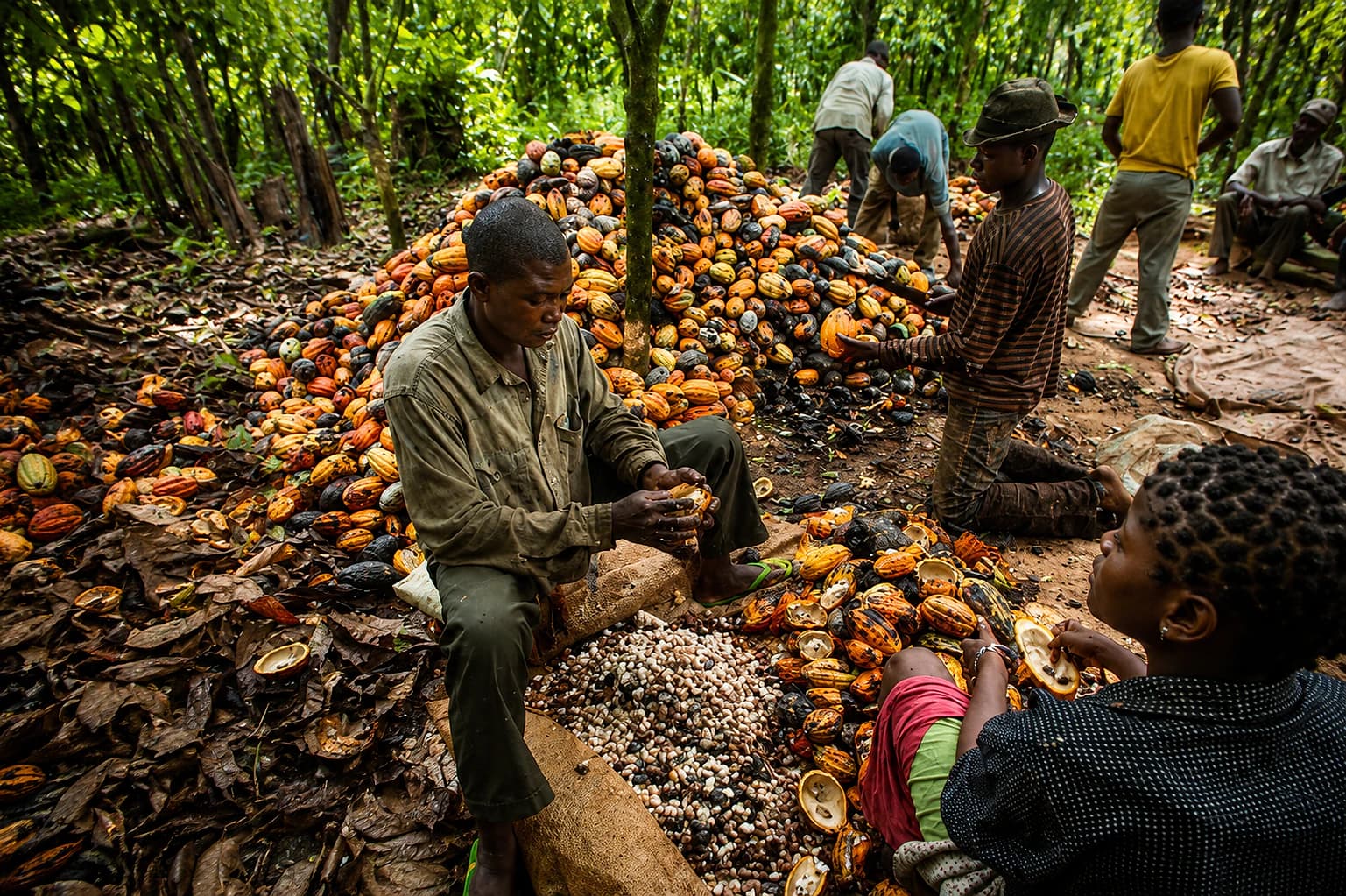
Gold, diamond and cement output rose sharply in early 2026, with diamonds more than doubling year-on-year and cement up 52%, while rubber, cocoa and timber production fell. The split captures an economy where mining surges and traditional agriculture struggles.
Total exports rose 57.9% to US$2.07 billion in 2025 on surging gold and iron-ore shipments, while imports climbed 55.4% to US$2.35 billion, widening the merchandise trade deficit to about US$281 million. The boom has reshaped Liberia's export base around gold.
Liberia's smaller commodities diverged in March 2026: palm-oil export earnings rose to US$6.6 million, diamond output more than doubled, and cocoa production fell 62%. The mixed quarter highlights both the promise and the fragility of efforts to diversify beyond gold and iron ore.