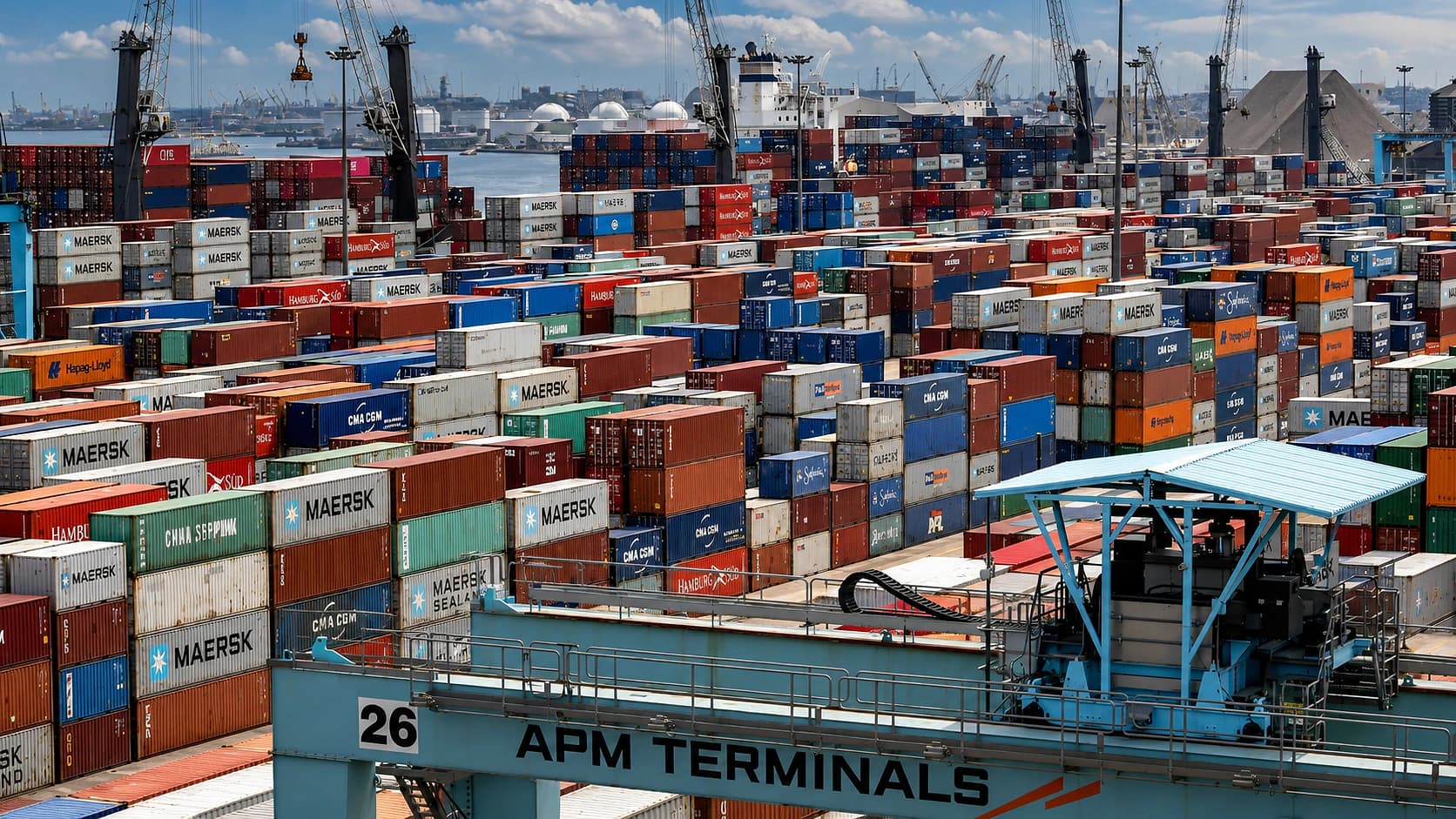
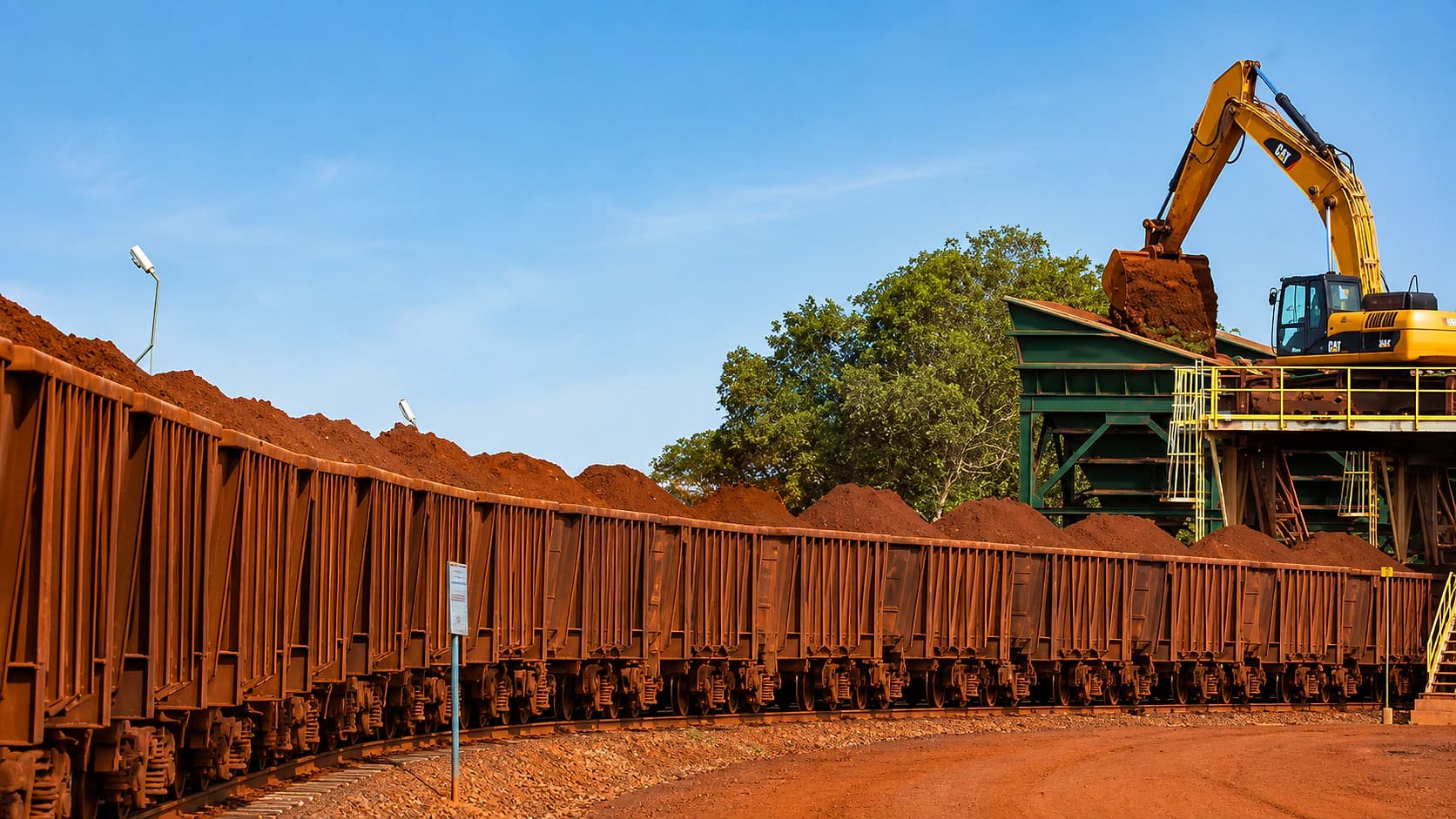
Liberia is running a two-speed economy. Mining output surged past US$1 billion in 2025 and gold and iron-ore exports boomed, while agriculture — which occupies most of the workforce — grew barely over 1% in value, according to the Liberia Institute of Statistics and Geo-Information Services (LISGIS) and Central Bank of Liberia data show.
The contrast runs through nearly every sector. Mining and the construction, trade and financial activity around it expanded briskly; agriculture, forestry and the public sector grew slowly. The economy is advancing, but at very different speeds depending on where one stands within it.
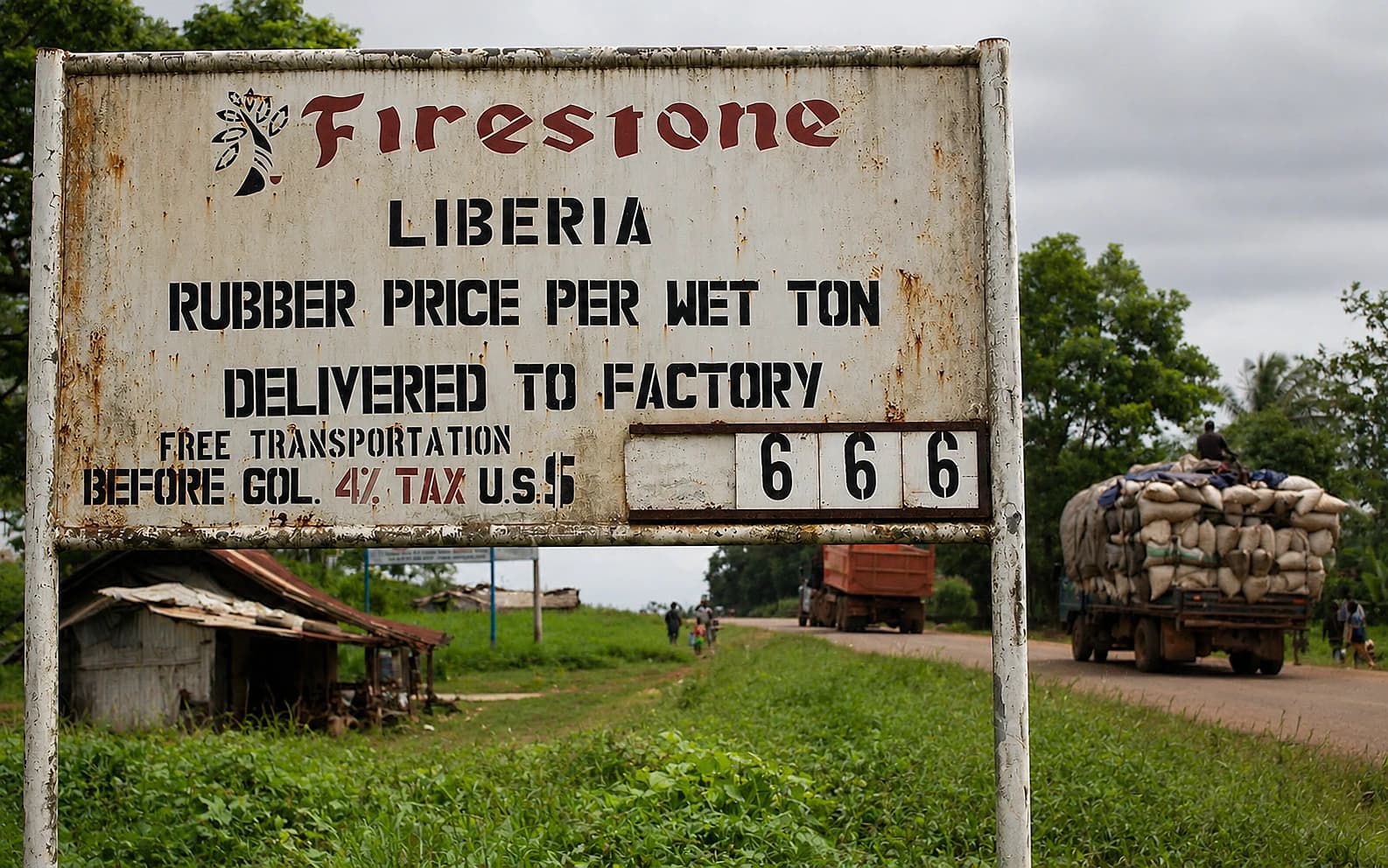
The distributional consequence is the heart of the matter. Mining is capital-intensive and employs relatively few Liberians directly, while farming supports the majority of livelihoods. Growth concentrated in the mineral enclave lifts headline output, export earnings and government royalties, but reaches the broad population only indirectly — through the revenue the state collects and how it spends it.
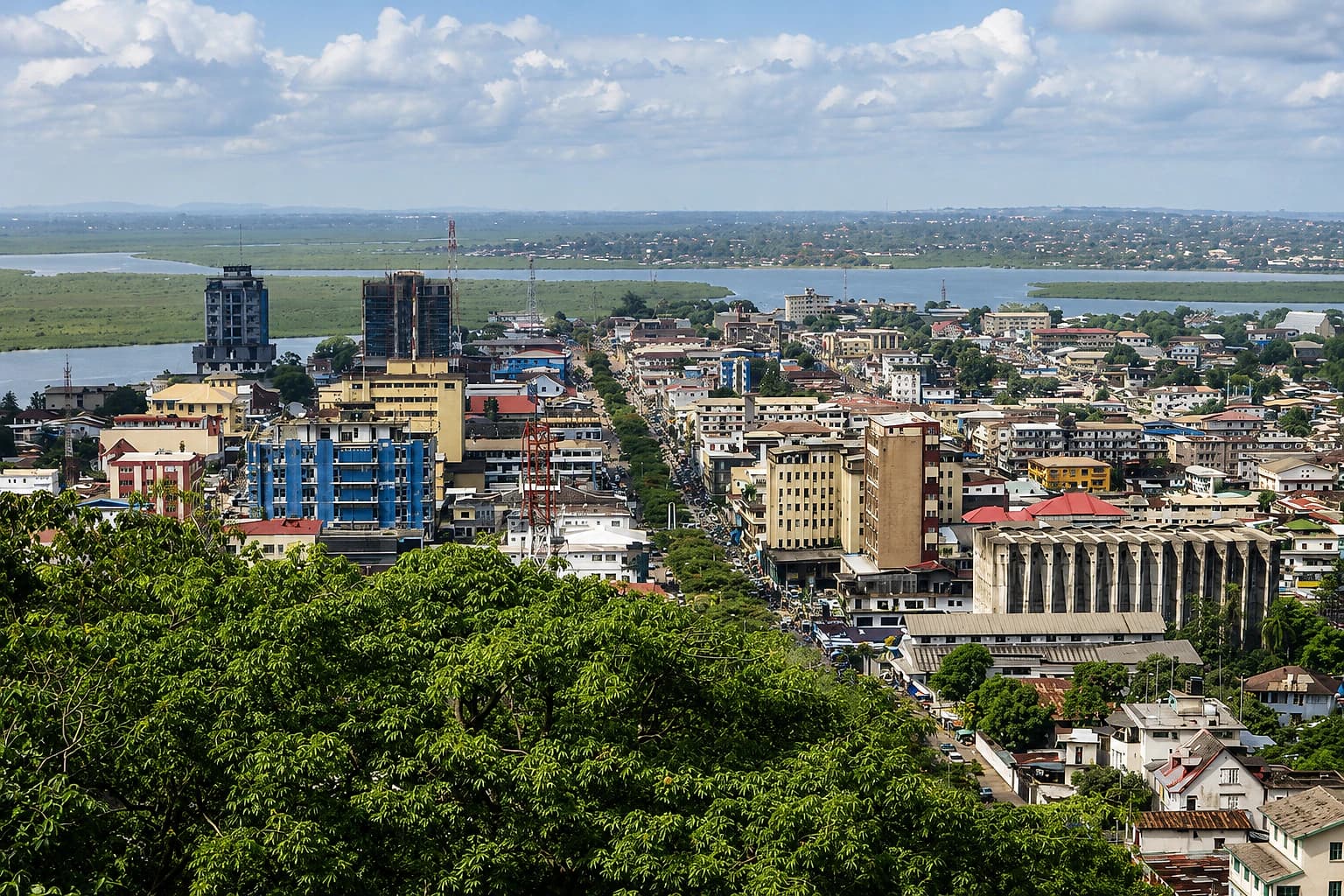
That is why strong growth has not translated evenly into rising living standards. Real income per person rose only about 2.4% in 2025 even as the economy grew 4.6%, and the gains are felt most in the mining counties, in Monrovia commerce and in the formal economy, less so in the rural areas where most people farm.
The pattern carries risk as well as inequality. An economy increasingly reliant on two minerals is exposed to global prices set far from Monrovia; a downturn in gold or iron ore would hit export earnings, the currency and government revenue at once, while the slow-growing sectors that employ most people offer little cushion.
Spreading the gains is the central development challenge. It depends on lifting agricultural incomes through investment, roads and fairer prices for farmers; on broadening the industrial base beyond extraction; and on converting mineral revenue into the public services and infrastructure that would let the rest of the economy catch up.
Breaking the pattern means using the proceeds of the mineral boom to build what the rest of the economy lacks: roads and power for farmers and manufacturers, credit for small business, and processing that adds value to crops at home. Without that deliberate transfer, the mineral enclave and the everyday economy risk drifting further apart even as the headline numbers improve.
What to watch is whether the slow-growing, job-rich sectors accelerate, whether mineral revenue reaches public services, and whether Liberia's growth becomes broader rather than narrower through 2026.