8 articles found
The gap between what banks charge borrowers and what they pay savers widened to 11.17 percentage points in February 2026, according to CBL data. With inflation at 4.50%, every Liberian-dollar savings account is losing purchasing power — and depositors are responding by pulling money out.
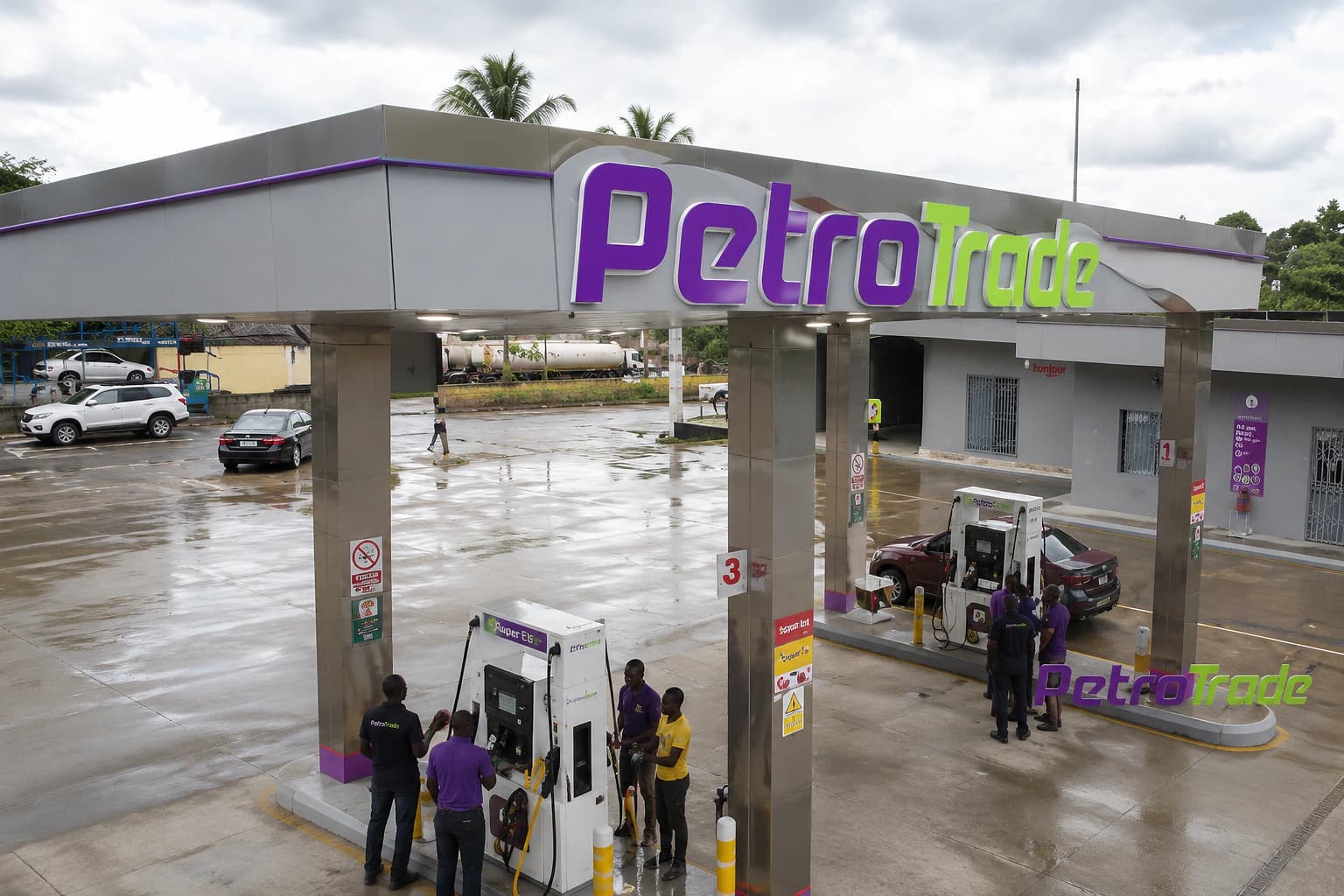
The imported fuel price index rose 12.38% in March 2026 to its highest level in two years while the headline consumer price index climbed just 0.62%, according to LISGIS. For keke operators, market traders, and delivery businesses, the gap between official inflation and daily operating costs is the widest it has been in at least two years.
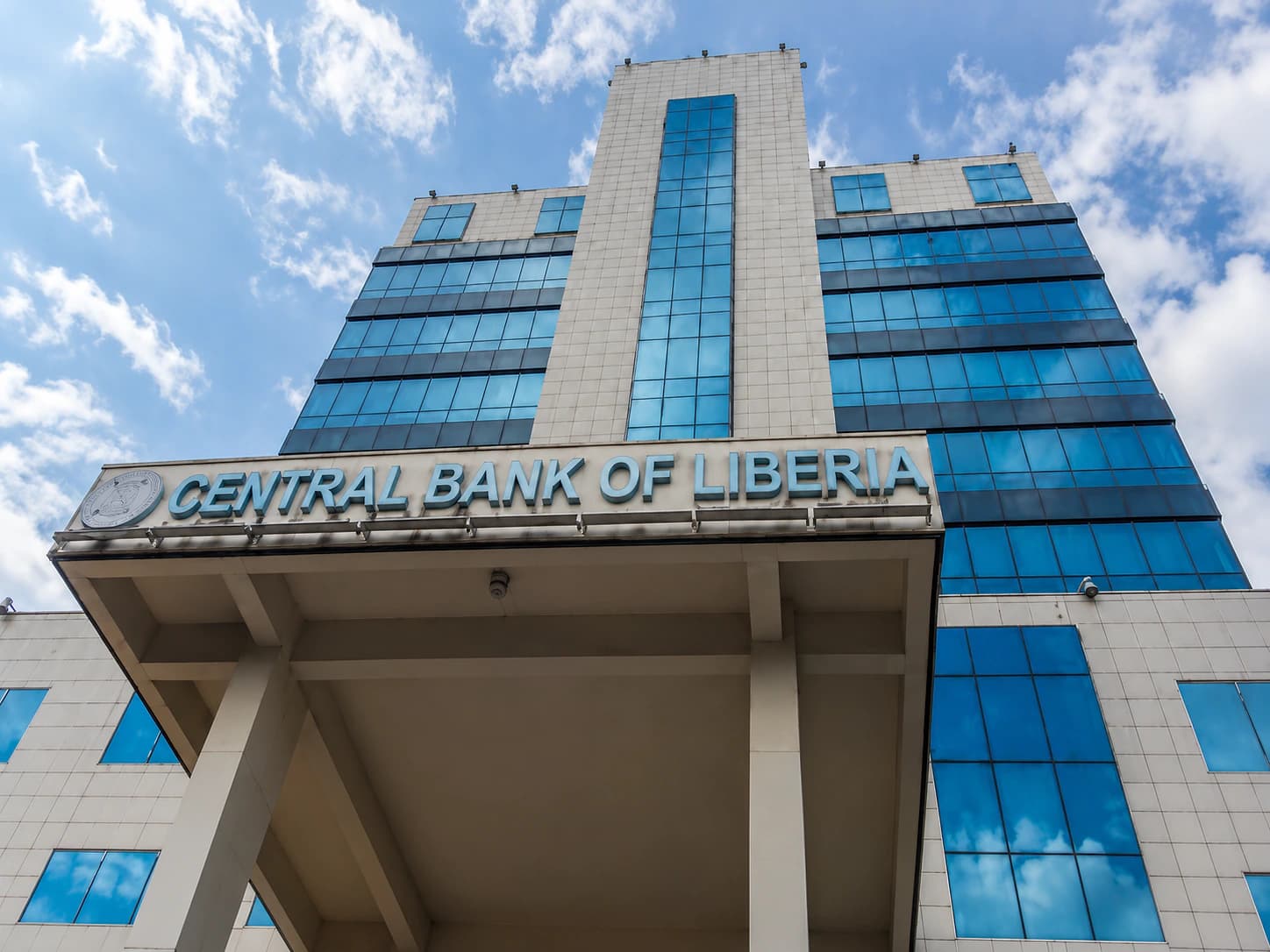
The Central Bank of Liberia has held its monetary policy rate at 16.25% since October 2025 — down from 20% in mid-2024 but still elevated by historical standards. With headline inflation at 4.50%, real interest rates are strongly positive, and commercial lending at 13.11% remains expensive for most businesses.
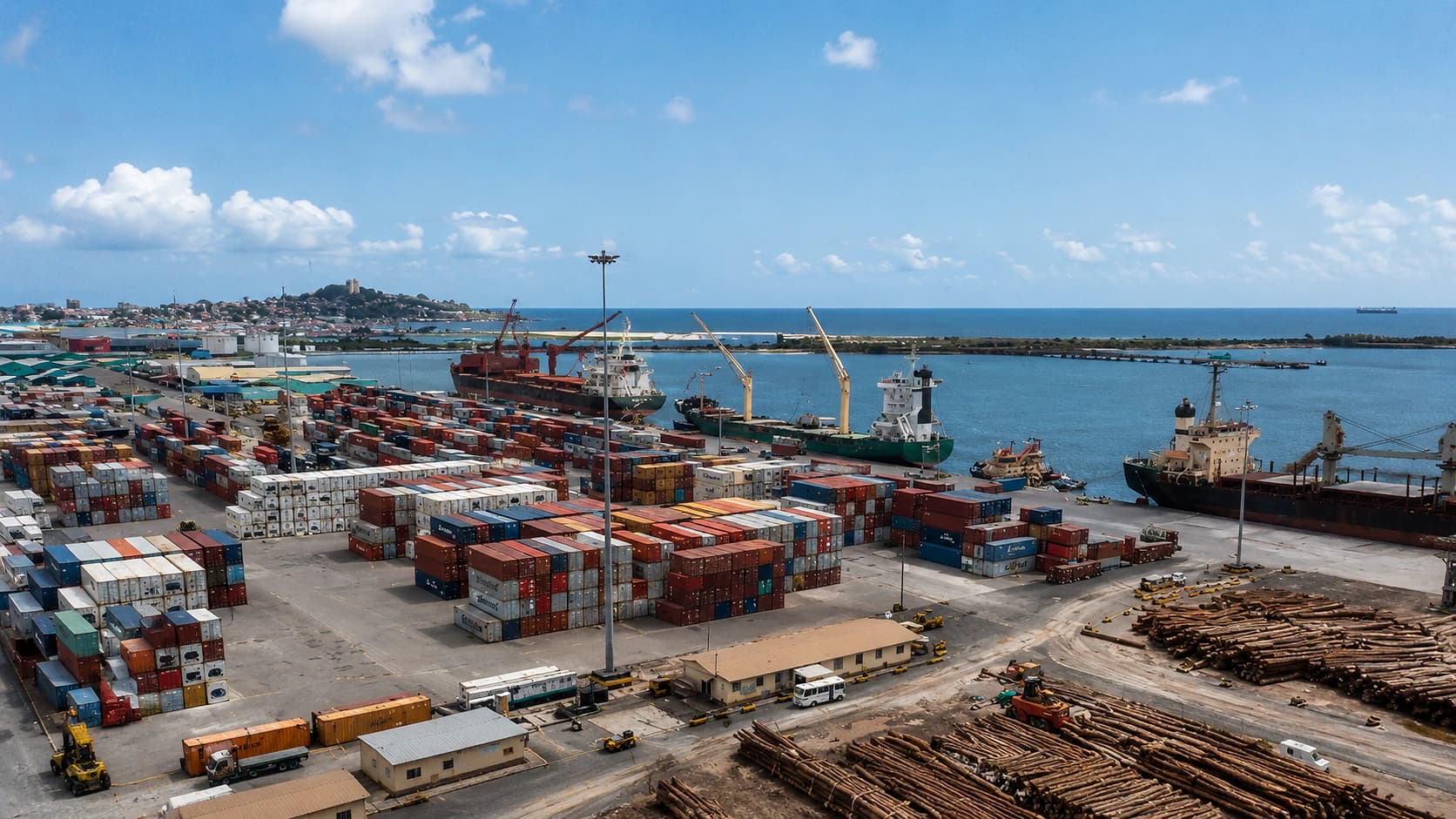
Imported-item prices were essentially flat over the year to March 2026, up just 0.1%, while domestic prices rose 5.8%. The split overturns the usual story and points to home-grown costs, not imports, as the live inflation risk.
The cost of housing, water, electricity and fuels rose 6.1% in the year to March 2026, outpacing headline inflation. With shelter and utilities a fixed monthly burden, the increase squeezes household budgets that have little room to adjust.
Broad money reached L$299.4 billion in March 2026, up 10.66% year-on-year, while the Central Bank held its policy rate at 16.25%. Reserve money surged 31% — fast enough to bear watching against the inflation goal — even as commercial lending rates edged up rather than down.
Headline inflation slowed to 4.50% year-on-year in March 2026 as domestic food prices fell, capping a long disinflation from 2025's double-digit average. But core inflation held near 6% and imported fuel jumped 12% in the month, leaving the Central Bank with reason for caution.
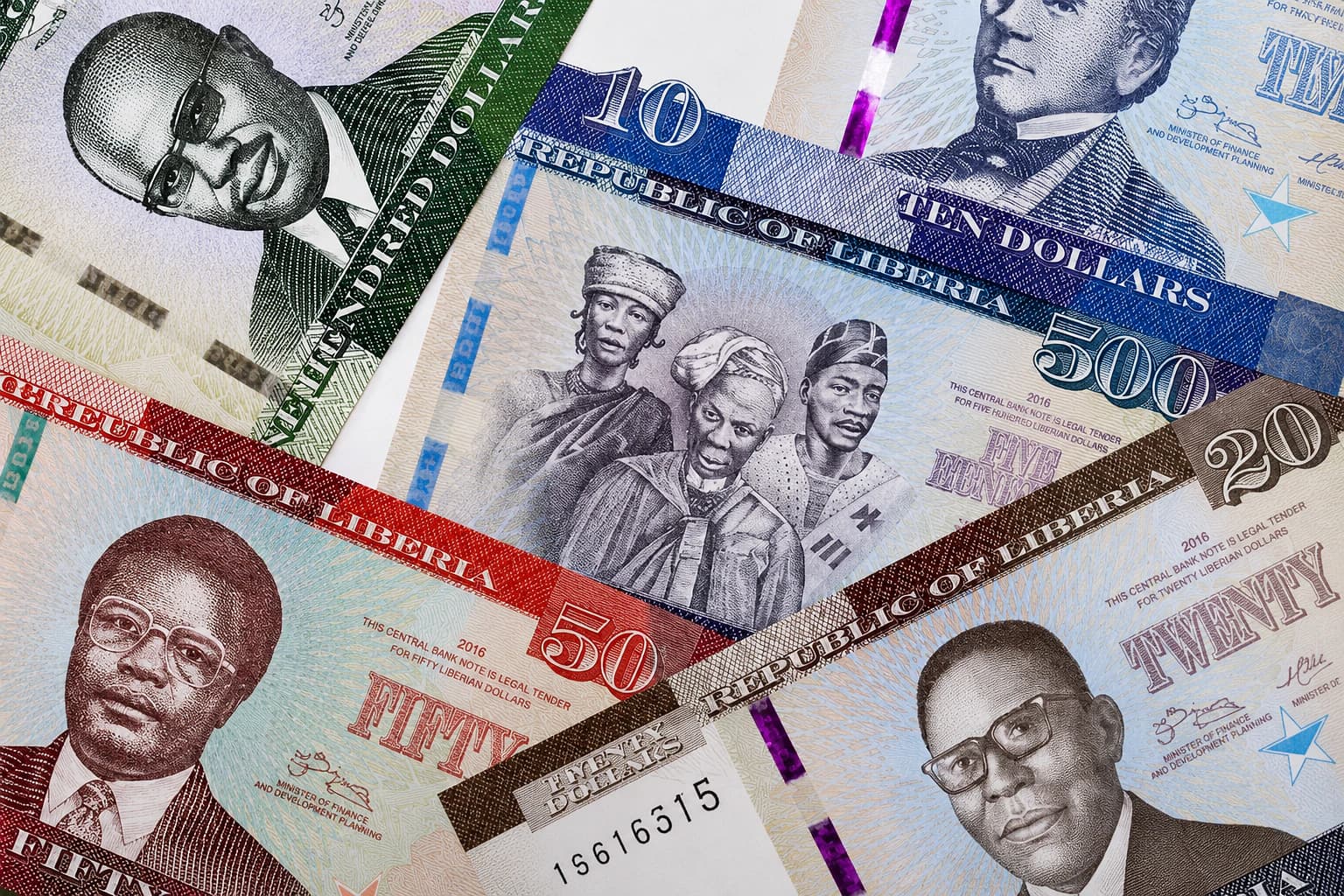
The Liberian dollar closed March 2026 at L$183.93 per US dollar — about 8% stronger than a year earlier, supported by booming gold exports and steady remittances, though it has given back ground since the end of 2025. In a dual-currency, import-dependent economy, the rate shapes everything from fuel prices to inflation.