Liberia's annual inflation rate eased to 4.50 percent in March 2026, with the Harmonized Consumer Price Index reaching 820.5 against 785.2 a year earlier, according to data published by the Central Bank of Liberia (CBL).
The figure caps a marked disinflation. The World Bank reported a full-year average inflation rate of 8.5 percent for 2025, but monthly point readings fell steadily through late 2025 and into 2026 — a distinction that matters, since a full-year average and a single-month year-on-year reading are different measures and should not be compared directly.
Beneath the easing headline, underlying pressure has not disappeared. Stripping out food and non-alcoholic beverages, the core index rose about 6 percent over the year — a sign that prices outside the volatile food basket are still climbing faster than the headline rate suggests. On a monthly basis, consumer prices rose 0.6 percent between February and March.
The relief came largely from food. Domestic food prices fell about 1 percent over the year, a meaningful easing in a country where food makes up a large share of household spending. The swing has been dramatic: food inflation ran near 10 percent at the end of 2024 before turning slightly negative through 2025. Food and non-alcoholic beverages overall rose just 1.3 percent.
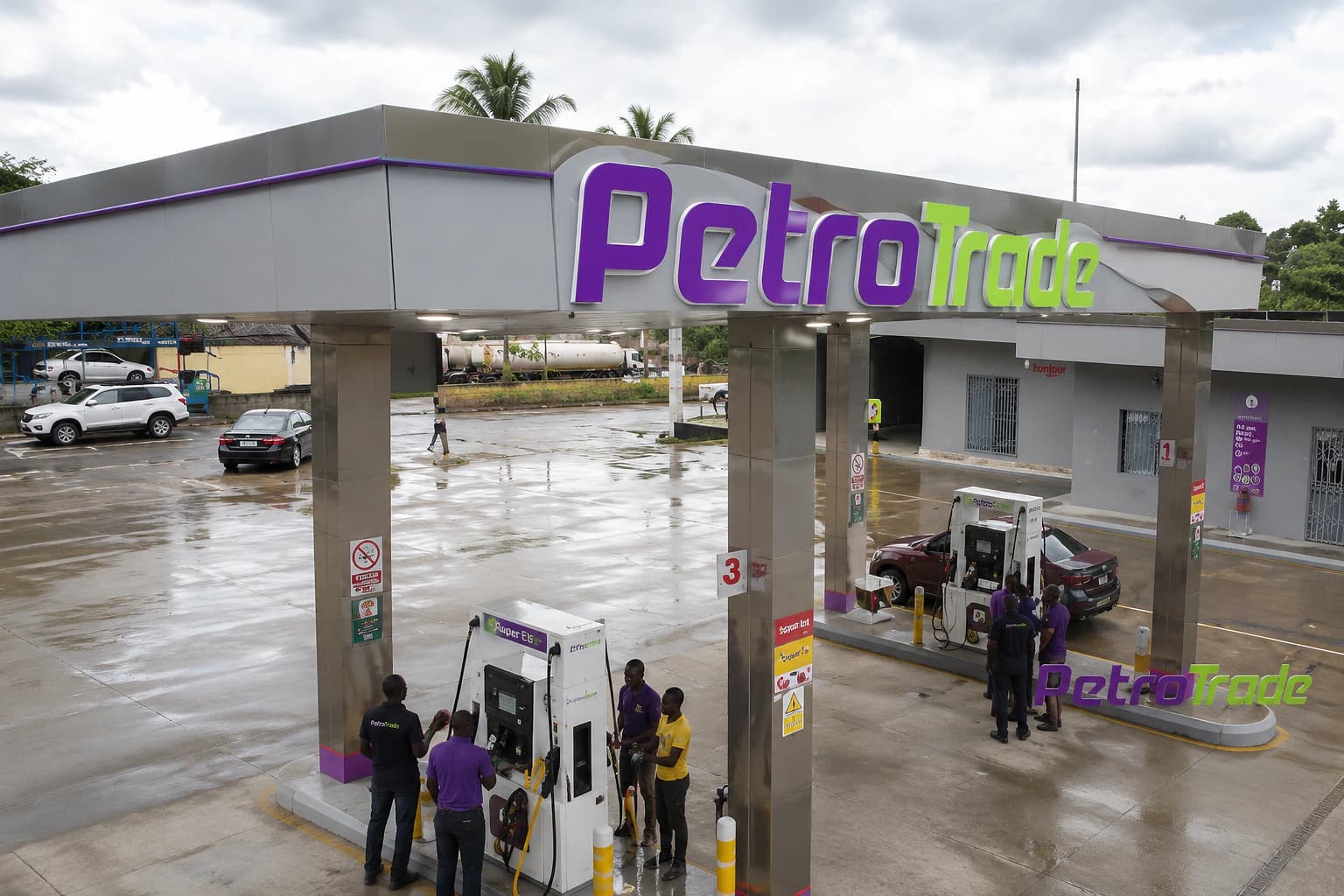
Imported costs moved the other way. The imported-fuel index jumped 12.4 percent in March alone — from 443.6 in February to 498.5 — and was up about 5.7 percent on the year, while imported food prices rose about 3.3 percent. The split underlines how exposed Liberia's cost of living is to global prices and the exchange rate even when home-grown food gets cheaper.
Inflation is among the indicators most directly felt by households, and the most politically charged. For an economy where many earn and spend in cash, the difference between 4.50 percent and double-digit inflation is the difference between holding purchasing power and watching it erode month to month.
It is also central to monetary policy. The CBL, whose mandate prioritizes price stability, has kept its policy rate at 16.3 percent into 2026. Core inflation lodged near 6 percent gives the bank reason to stay cautious before easing, even as the headline rate falls toward more comfortable territory.
What to watch is whether the March fuel spike feeds into transport and other prices in the second quarter, and whether core inflation drifts down toward the headline rate or keeps the CBL on hold.