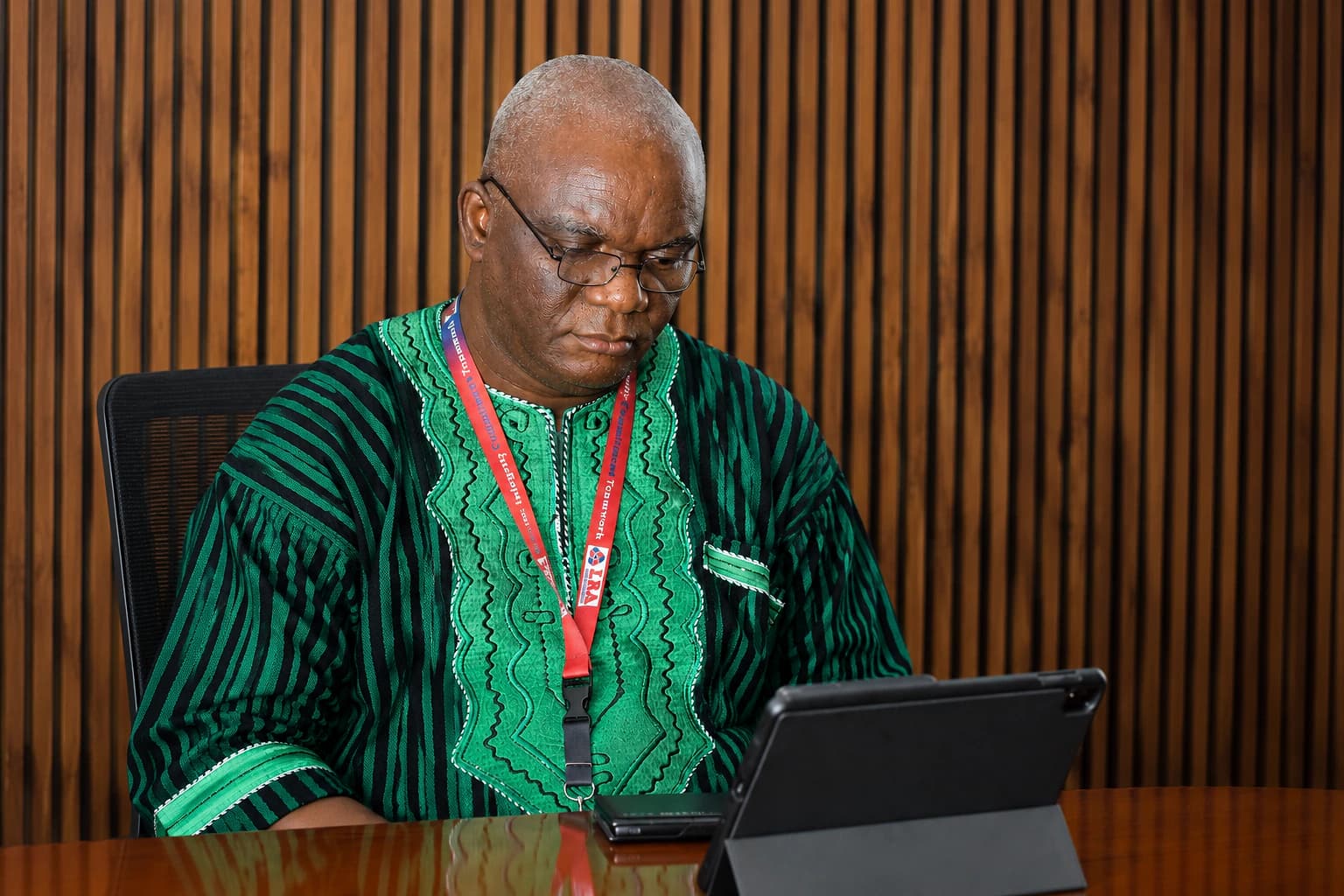
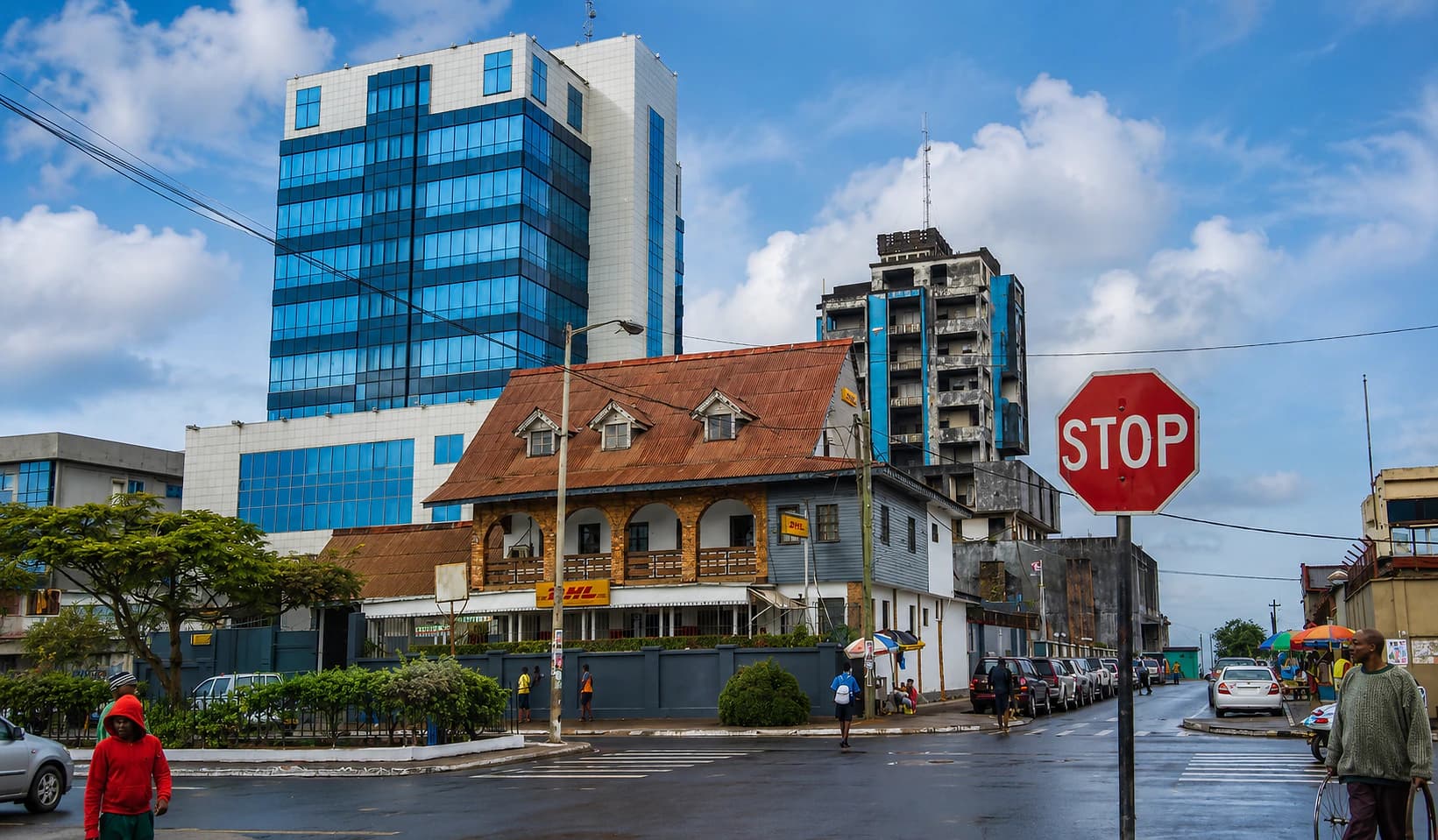
The government's own contribution to economic output grew only modestly in 2025. The value of government services rose about 2.7% to US$169.3 million from US$164.9 million a year earlier, according to the Liberia Institute of Statistics and Geo-Information Services (LISGIS) via the Central Bank of Liberia — among the slowest growth of any major component of the economy.
Government services in the national accounts measure the value of public administration, defense and the core functions the state provides, valued largely at the cost of delivering them — above all public-sector wages. Slow growth here reflects tight budgets and a public payroll that has expanded little in real terms.
The restraint is consistent with the fiscal picture. With tax revenue holding near US$60 million a month, spending volatile and bunched, and debt service rising, the government has limited room to expand its activities. A wage bill that already dominates recurrent spending leaves little margin for growth in public provision.
The modest figure carries a development message. In a country where public services — health, education, security, administration — are thin and unevenly distributed, slow growth in the state's contribution to the economy points to the constraints on extending those services to a population that needs them.
It also stands in contrast to the private-driven parts of the economy. While mining, construction, trade and finance grew faster, government services lagged, a reminder that Liberia's recent growth has been led by private and commodity activity rather than by an expanding state.
Whether that is a strength or a weakness depends on perspective: a lean state constrained by revenue, or an under-resourced one unable to deliver the services that would broaden the gains from growth. The data show a public sector growing slower than the economy around it.
The thinness shows up where people meet the state: understaffed clinics and schools, courts and agencies short of resources, and services that fade with distance from Monrovia. Slow growth in the government's contribution to output is, in human terms, slow growth in the reach and quality of the services most Liberians depend on.
What to watch is whether revenue gains allow public services to expand, how the wage bill is managed, and whether the state's contribution keeps lagging private-led growth.