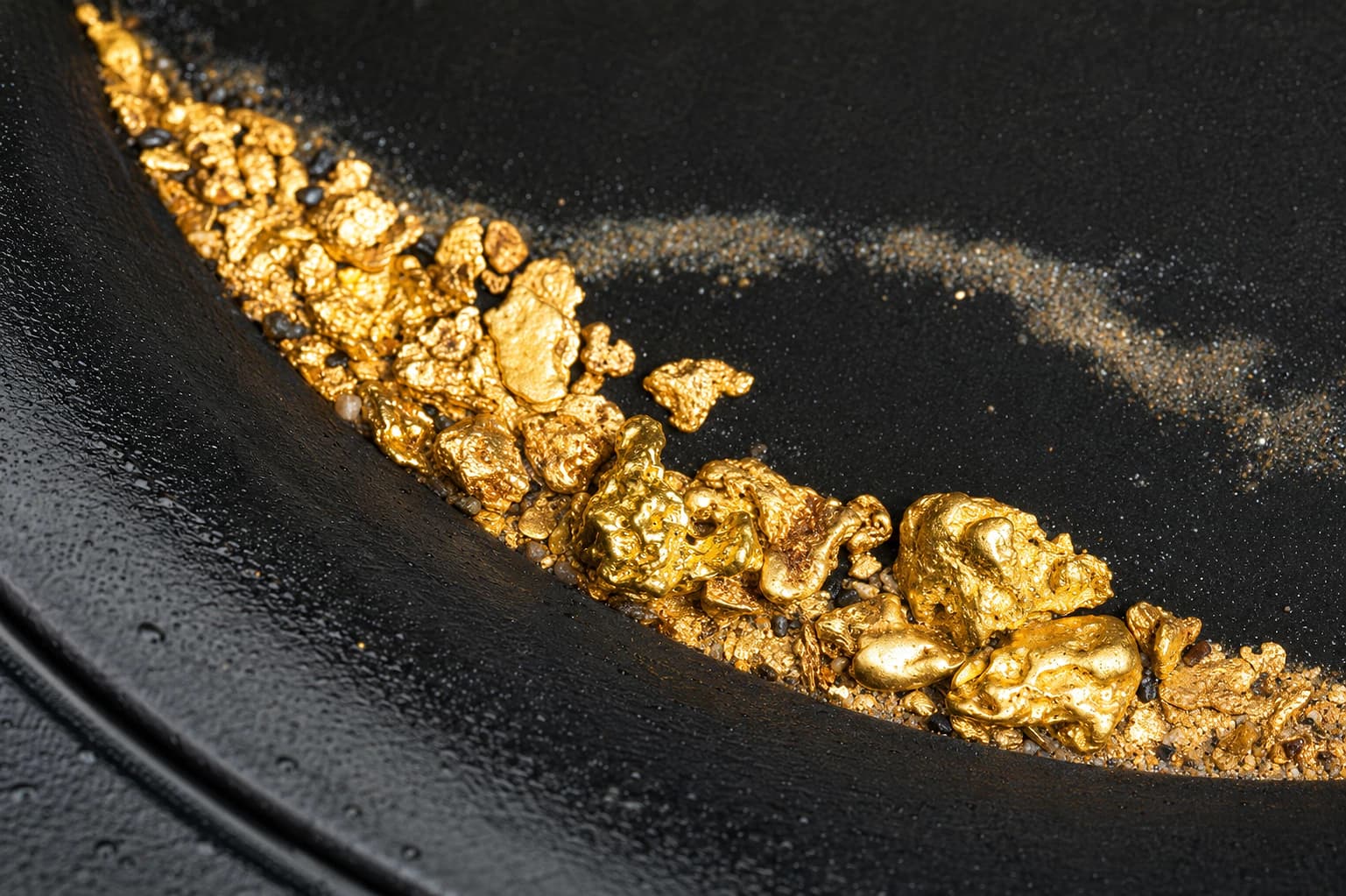
Gold exports reached US$175.13 million in March 2026, up 22.50 percent from US$142.96 million in February and 111.87 percent higher than the same month a year earlier, according to the Central Bank of Liberia (CBL). Total monthly exports hit US$263.28 million. Gold alone accounted for 66.52 percent of that figure.
The concentration is not new, but its degree is. In May 2024, gold exports were US$58.80 million — less than a third of the March 2026 level. The near-tripling over 22 months reflects both rising global gold prices and expanding production volumes. A commodity that has always been important to the export profile now dominates it to an extent that makes the national trade account effectively a proxy for the gold market.
Iron ore, the second-largest export, contributed US$68.63 million in March 2026 — up 46.90 percent year-on-year but essentially flat from US$68.03 million a month earlier. Together, gold and iron ore totaled US$243.76 million, or 92.59 percent of all monthly exports. Everything else — rubber at US$7.05 million, diamonds, agricultural commodities, and other goods — fit into the remaining 7.41 percent.
For a government that depends on export-linked revenues — customs duties, royalties, corporate taxes on mining concessions — the concentration is a fiscal risk as much as a trade risk. A 20 percent drop in the global gold price, all else equal, would cut monthly export earnings by roughly US$35 million and narrow the dollar inflows that have supported the exchange rate's 7.92 percent appreciation over the past year.
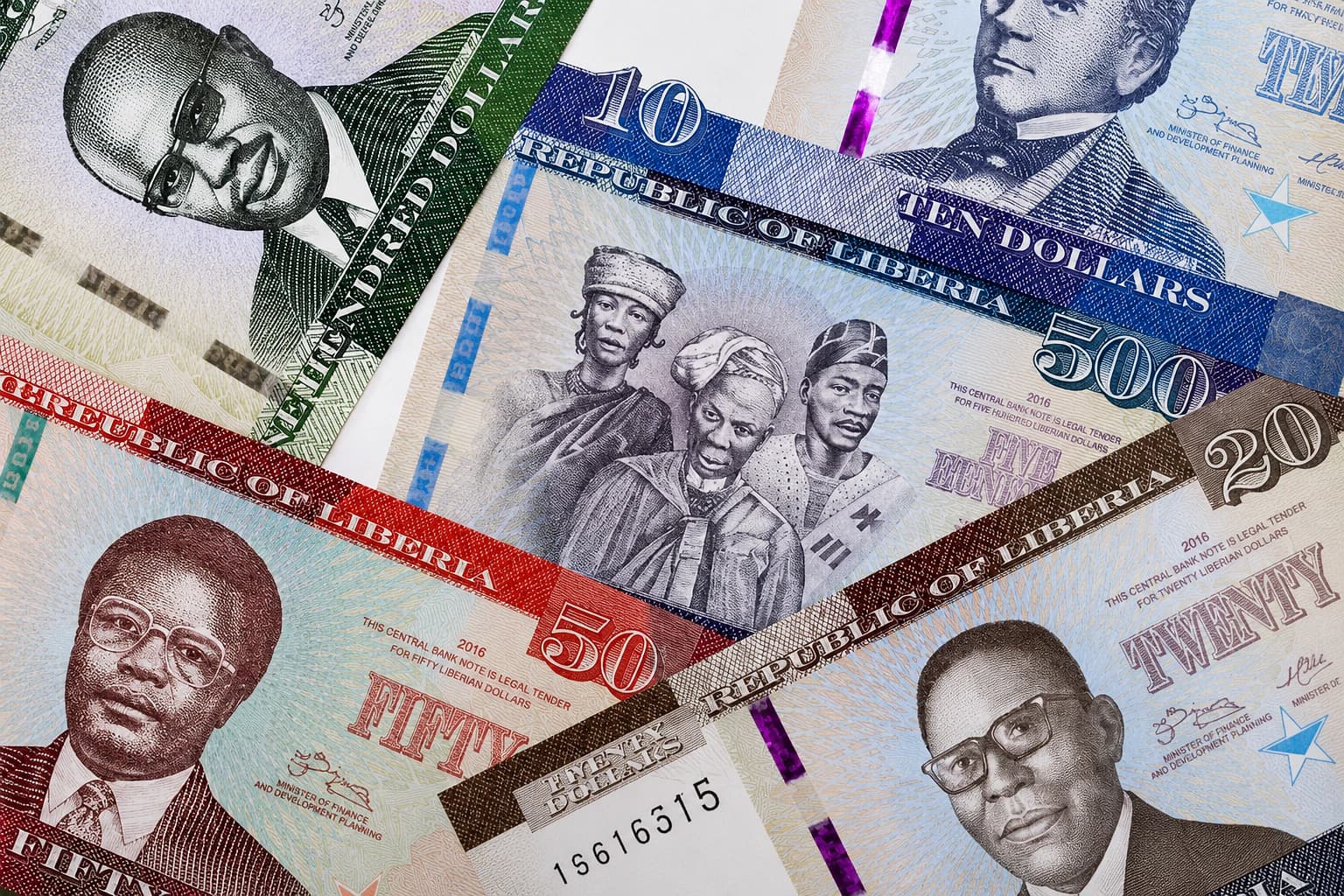
For the broader business community, the risk is indirect but real. The exchange rate stability that importers and retailers have enjoyed since early 2026 — the rate has held within 1 percent of L$183.93 since February — rests substantially on gold-driven dollar supply. If that supply contracts, the Liberian dollar weakens, import costs rise, and the margin math for every business that buys in dollars shifts overnight.
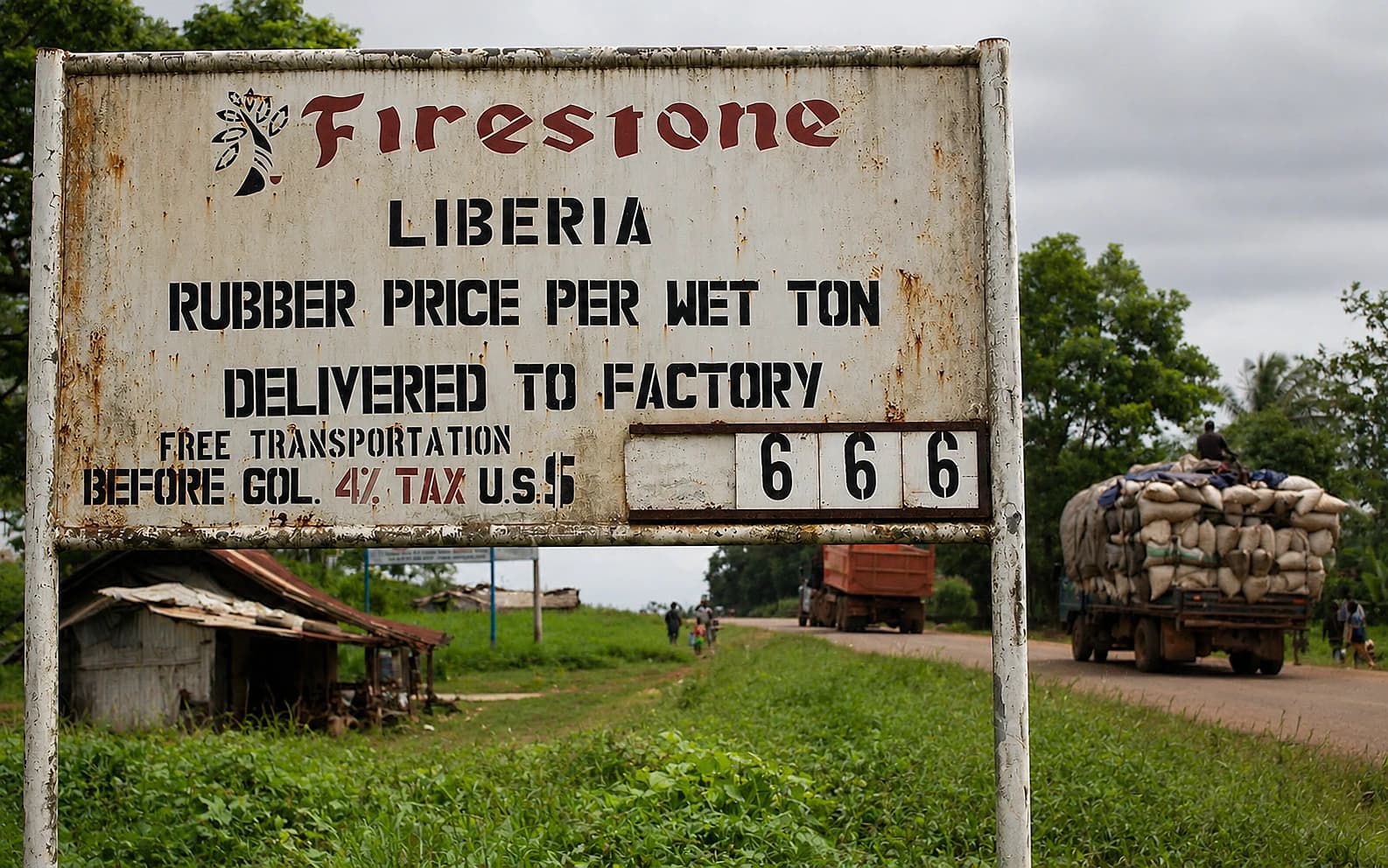
Rubber illustrates the other side of concentration. At US$7.05 million in March 2026 — down 54.49 percent year-on-year — rubber now contributes less than 3 percent of export revenue. The decline of one commodity is not the problem; the failure to replace it with a diversified basket of alternatives is. Gold has filled the gap and then some, but it has done so by making the economy more dependent on a single global price, not less.
The upside, for now, is substantial. Gold at US$175.13 million per month is feeding record export earnings, supporting the currency, and boosting government revenue. The question is not whether the gold boom is good — it clearly is, on every near-term metric. The question is what the economy looks like in a quarter when gold prices are 15 or 20 percent lower, and two-thirds of the export base contracts by the same amount.