Liberia's palm oil sector is recovering. Output was valued at about US$173.3 million in 2025, up nearly 8.8% from US$159.3 million a year earlier and well above the US$103.3 million of 2020, according to the Liberia Institute of Statistics and Geo-Information Services (LISGIS) via the Central Bank of Liberia.
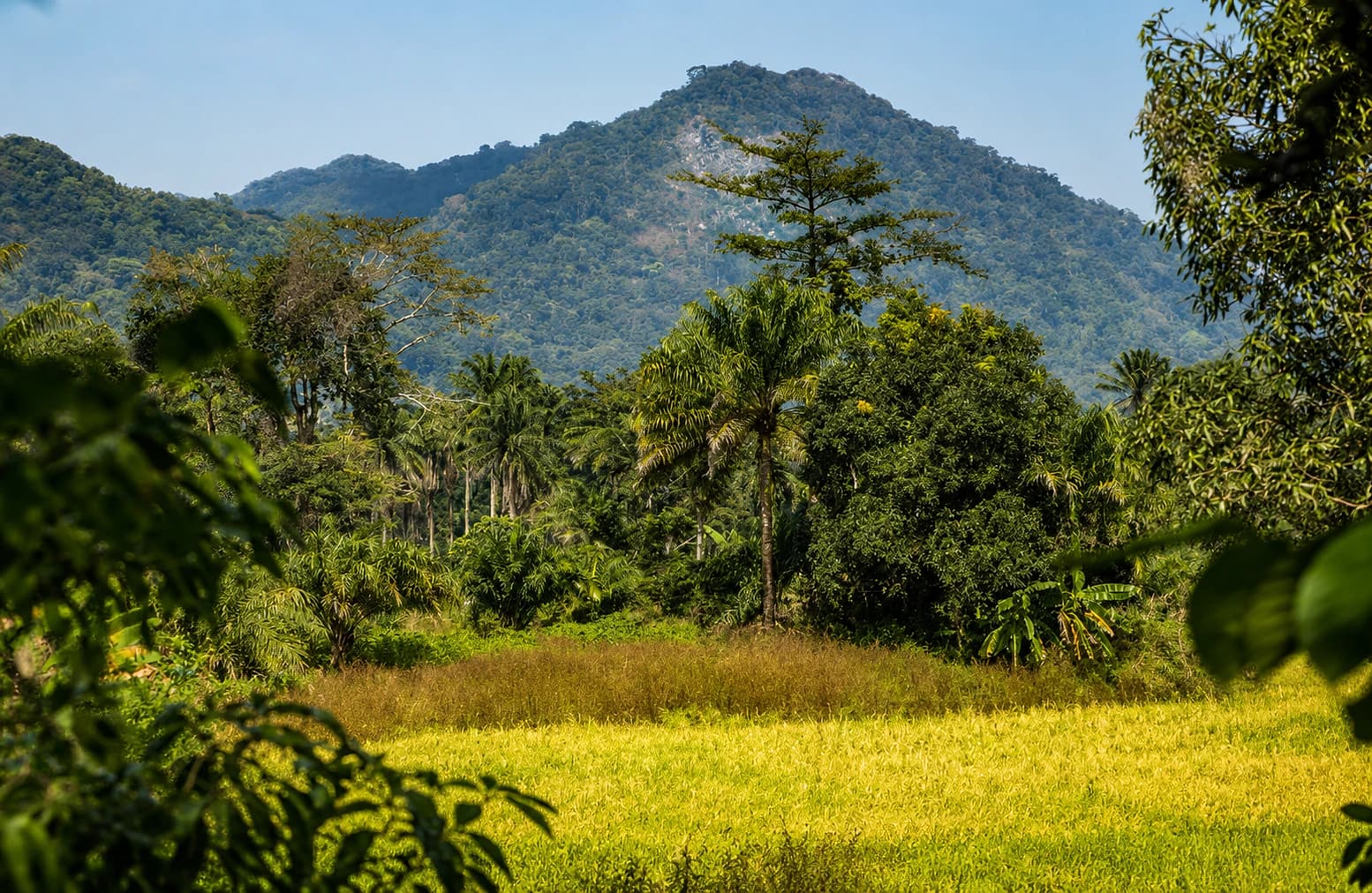
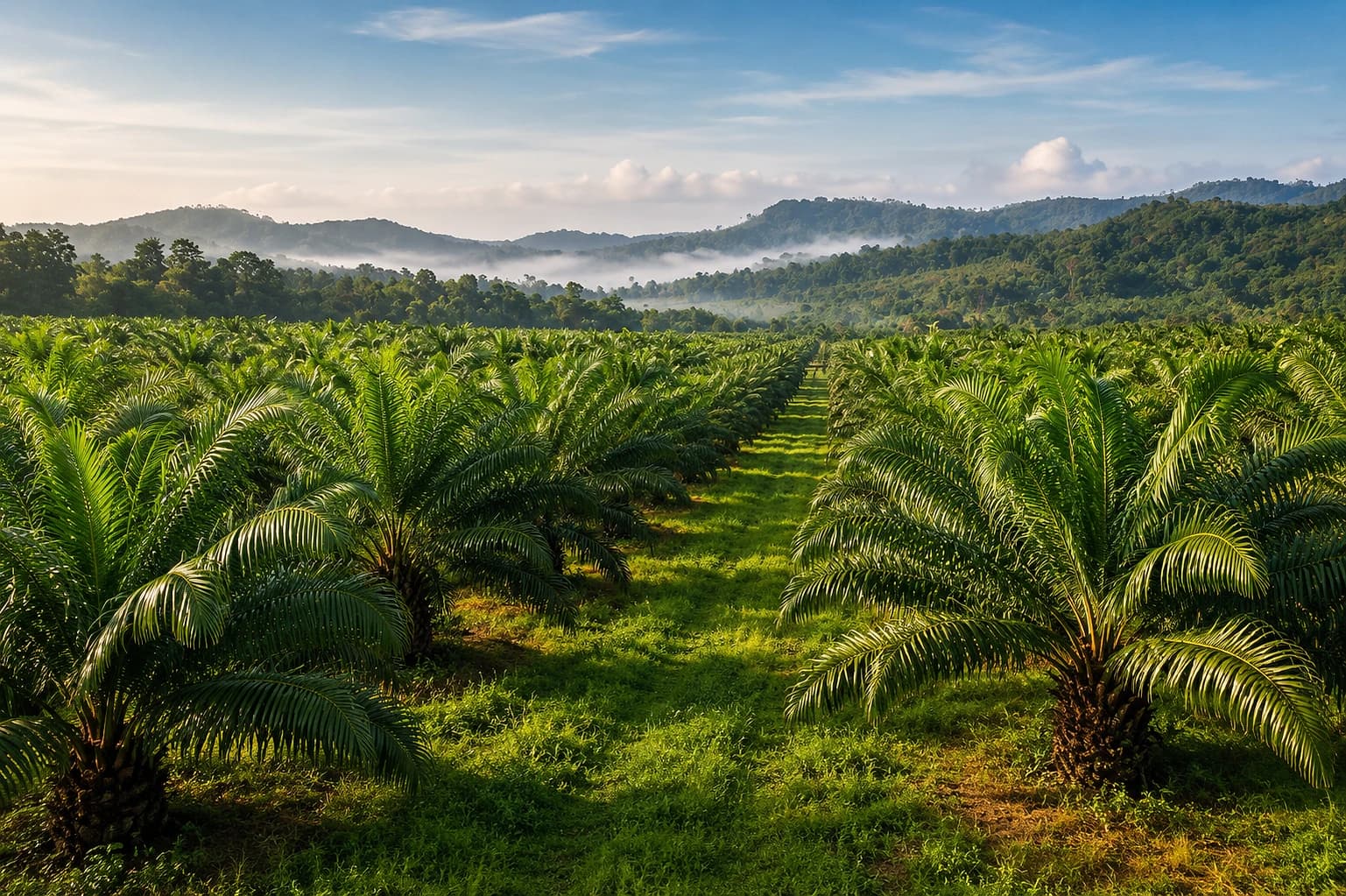
The rebound — palm oil value is up about 67.7% since 2020 — adds to signs of life in a crop Liberia has long sought to develop at commercial scale, and it echoes a jump in palm-oil export earnings recorded earlier in 2026. Oil palm grows well in Liberia's climate, and the country has large areas suited to it.
The sector spans two very different models: large foreign-owned concessions operating industrial plantations and mills, and smallholder farmers growing oil palm on their own plots. The concessions have drawn investment but also disputes over land, labor and community benefits, while smallholders often lack the milling capacity to capture full value from their fruit.
Palm oil sits at the intersection of opportunity and controversy. Global demand for the oil, used in food and industry, gives it a large market, and a scaled, well-run sector could generate exports, rural jobs and processing value at home. But oil-palm expansion has been associated with deforestation and land-rights conflicts, making how the sector grows as important as whether it grows.
Capturing more value domestically is the prize. Exporting crude or processed palm oil rather than raw fruit, and ensuring smallholders share in the returns, would spread the benefits more widely than a model built around enclave plantations.
The recovery in value comes after volatile years — palm-oil output value swung from US$235 million in 2022 to US$159 million in 2023 and 2024 before rising again — reflecting both prices and production shifts.
How the sector grows matters as much as whether it does. Industrial concessions can scale output and exports but have drawn disputes over land and community benefit, while smallholders, who often lack mills to process their own fruit, capture a thin share of the final value. A model that gives farmers a fairer return and avoids clearing forest would spread the gains and limit the controversy.
What to watch is whether the recovery holds, whether milling and smallholder participation expand, and how the sector balances commercial growth against land and environmental concerns.