Liberia's transport and communications sector grew to US$256.5 million in 2025, up about 7.8% from US$238.0 million a year earlier, according to the Liberia Institute of Statistics and Geo-Information Services (LISGIS) via the Central Bank of Liberia.
The sector spans the movement of people and goods — road transport, the port, logistics — and the fast-growing telecommunications business of mobile voice and data. Together they form the connective tissue of the economy, linking farms to markets, importers to consumers and Liberians to one another and the wider world.
Steady growth here matters for everything else. In a country with limited and costly road infrastructure, the price and reliability of moving goods feeds directly into the cost of food, fuel and consumer products. Cheaper, better transport lowers prices and widens the reach of commerce; expensive, unreliable transport does the opposite.
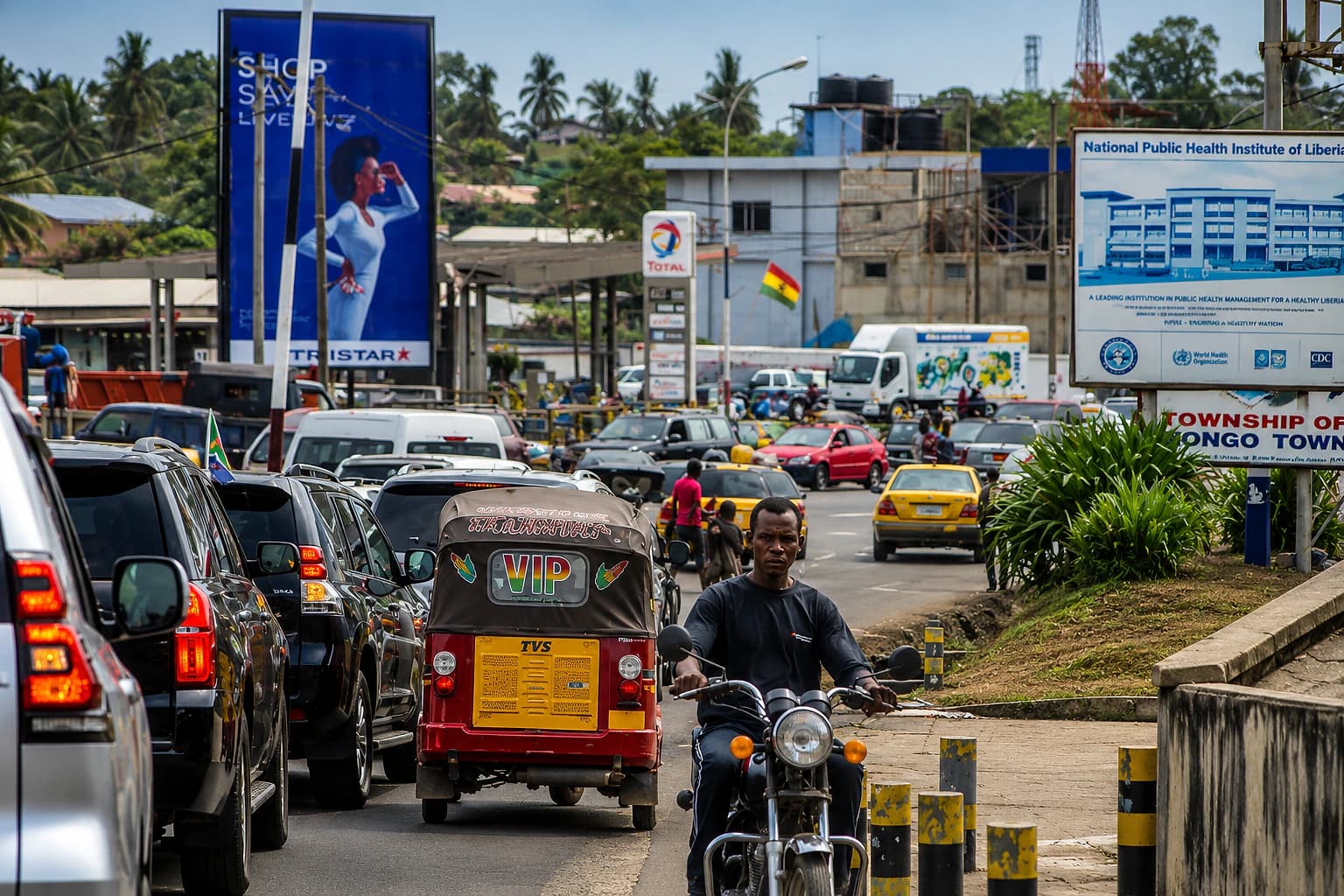
Communications has been the more dynamic half. The rapid spread of mobile phones, data and mobile money has expanded the sector and reshaped how Liberians transact, even as the price of communication services has fallen — a combination of rising volumes and falling unit prices that lifts activity while easing costs for users.
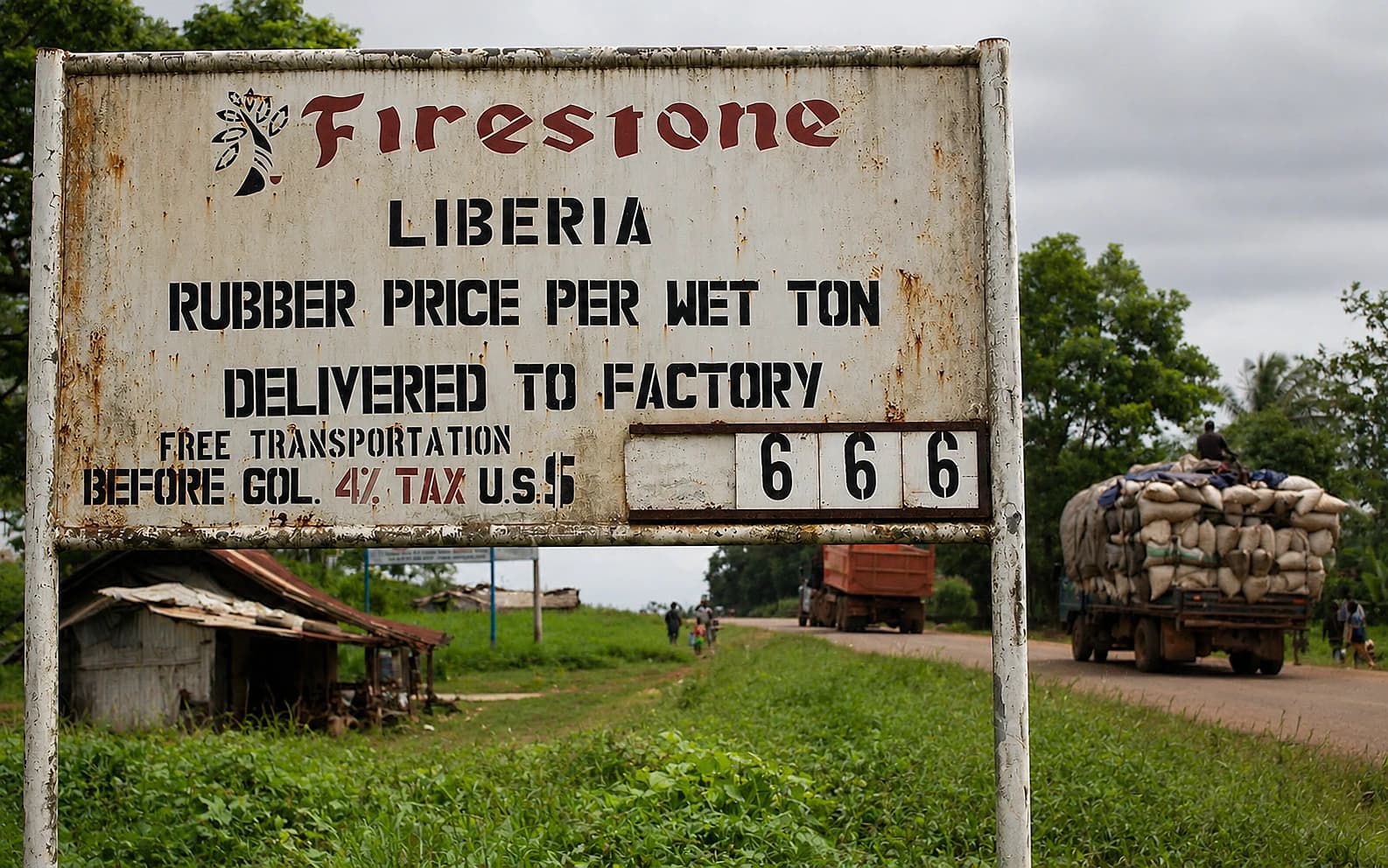
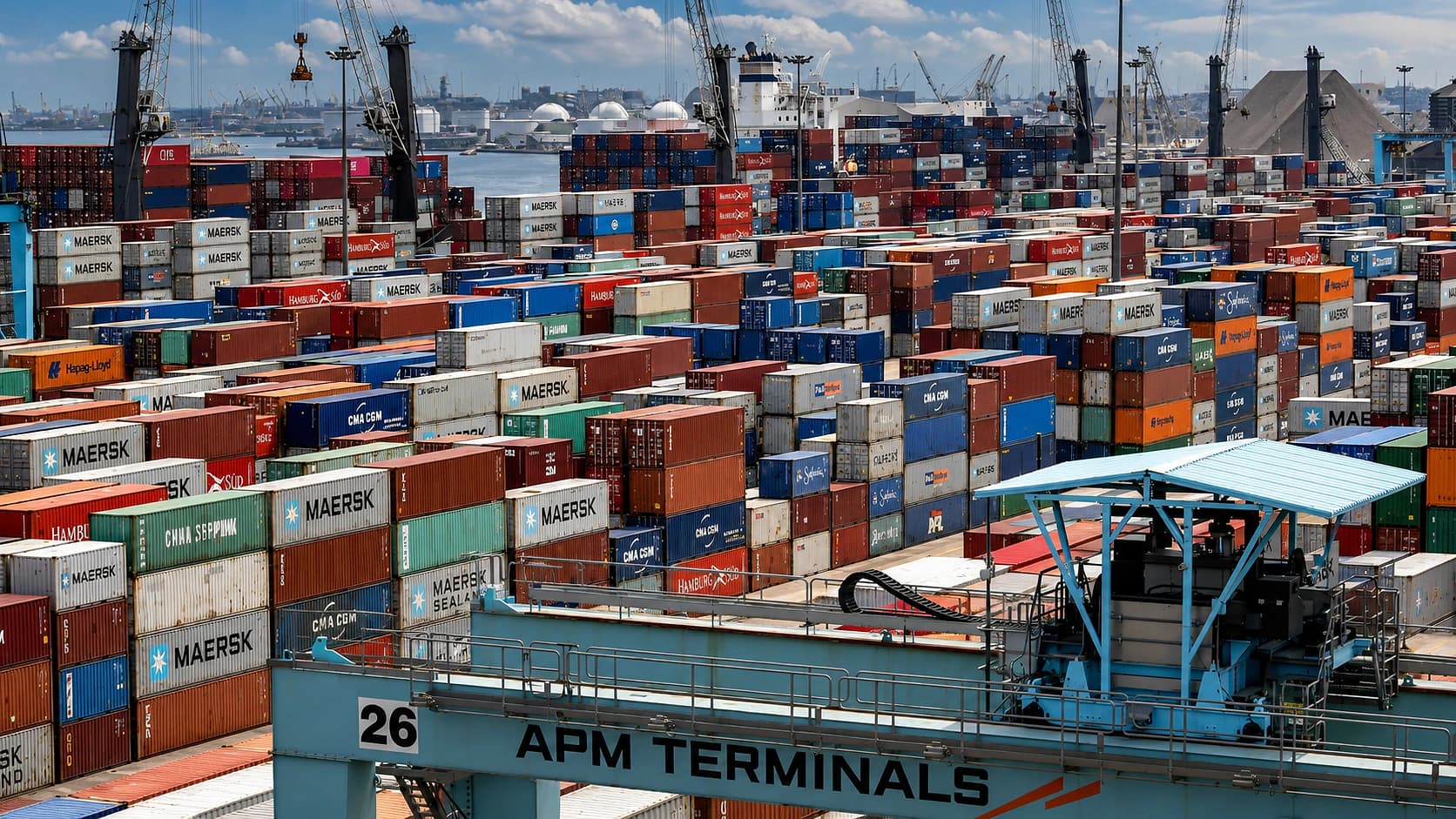
Transport remains more constrained. Much of Liberia's road network is in poor condition, particularly the feeder roads that connect rural producers to markets, raising costs and cutting farmers off from buyers during the rainy season. The Freeport of Monrovia handles most of the country's trade, making port efficiency a direct factor in import and export costs.
The sector's growth tracks the wider economy: as trade, construction and consumer spending expand, so does demand for transport and communication. Its roughly 8% rise in 2025 is consistent with the broad-based growth in services and commerce.
Roads are the binding constraint. Much of the feeder network linking farms to markets is unpaved and impassable in the rains, cutting rural producers off from buyers for months and adding cost at every stage between farm and table. Investment in roads and at the Freeport of Monrovia would lower transport costs that quietly inflate the price of nearly everything.
What to watch is whether road and port investment lowers transport costs, whether mobile and data services keep expanding, and how reliably the sector can support trade through 2026.