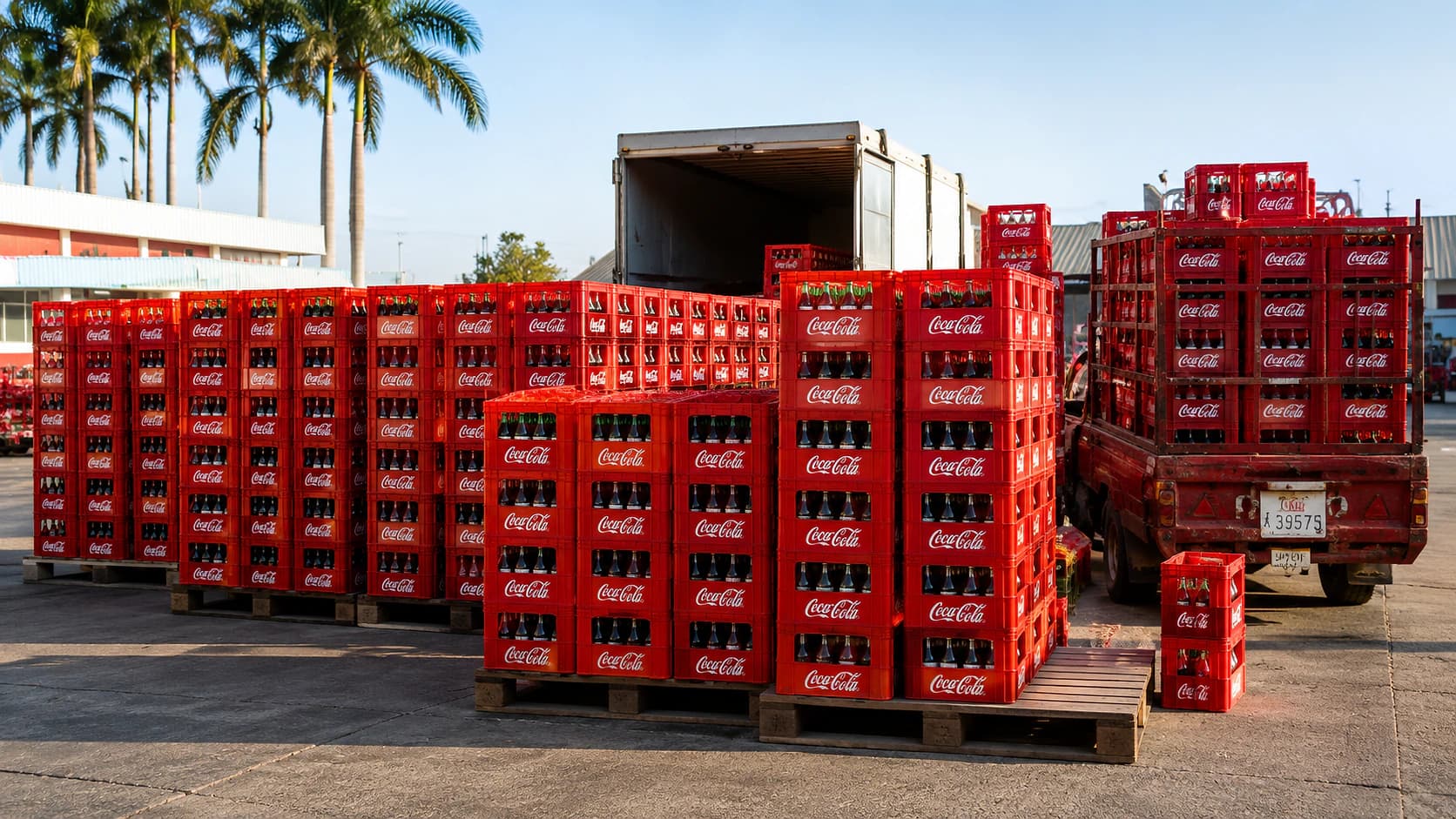
Liberia's beverage producers are filling more bottles. Output reached 4.0 million liters in March 2026, up 20.3% from 3.4 million a year earlier, according to the Liberia Institute of Statistics and Geo-Information Services (LISGIS) via the Central Bank of Liberia.
Beverages — soft drinks, water and the products of the country's breweries — are among Liberia's most established manufacturing lines, and rising output is a useful read on both domestic consumer spending and the health of local industry.
Growing beverage production signals resilient consumer demand. People buying more bottled drinks is a sign of incomes holding up and of distribution networks reaching further, in an economy where formal consumer goods compete with informal and imported alternatives. It is the kind of everyday activity that broad-based growth is built on.
Domestic beverage production also substitutes for imports and adds value at home, bottling and brewing products that would otherwise be shipped in. The sector employs workers directly and supports a chain of distributors and retailers across the country.
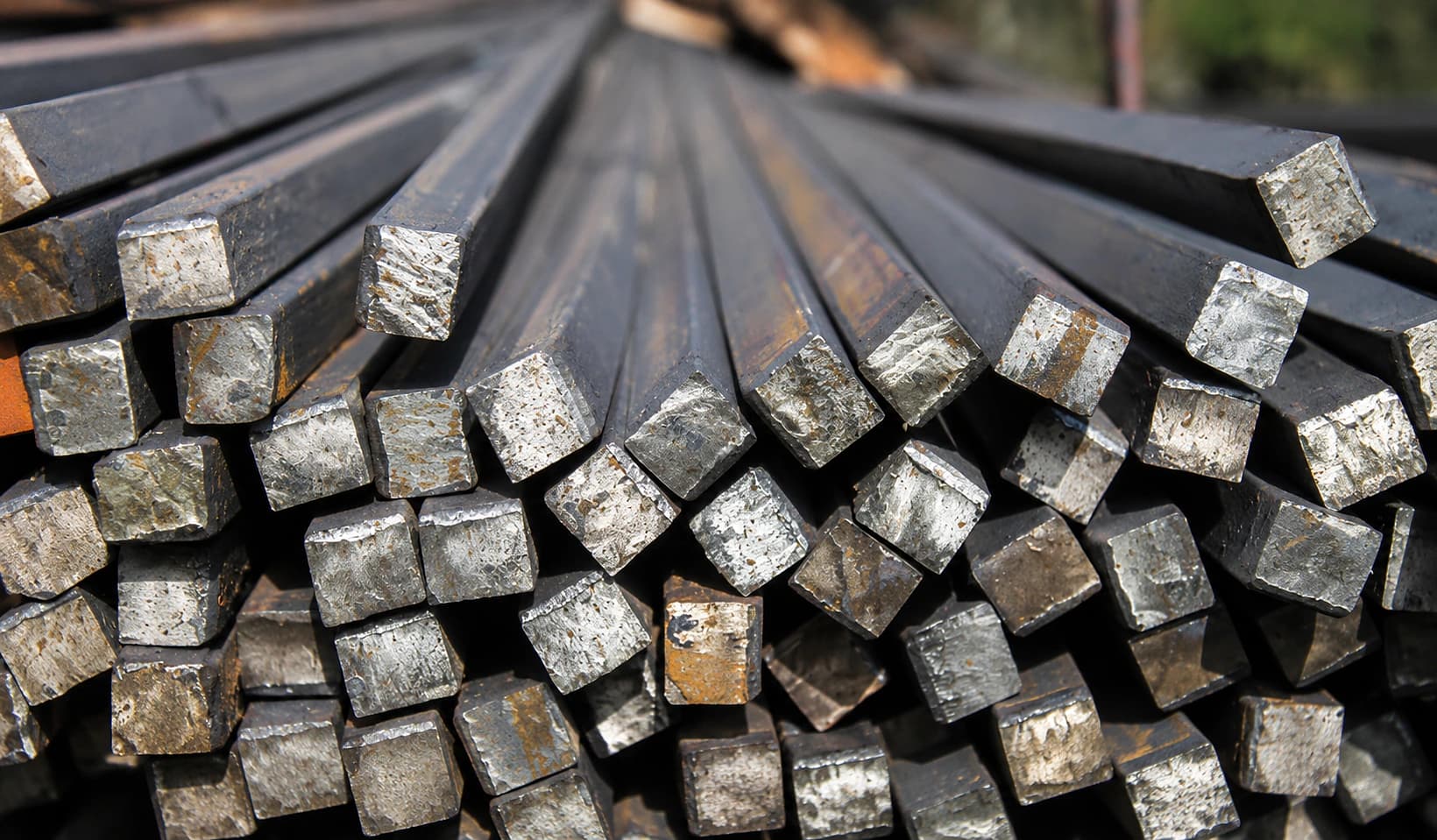
Beverages are part of the modest broadening of Liberia's industrial base alongside cement and steel — the lines where domestic manufacturing is expanding to serve construction and consumer demand. Manufacturing remains a small share of the economy, but its growth outpaced the economy as a whole in 2025.
The constraints are the familiar ones: the cost of power for energy-intensive bottling and refrigeration, finance, and competition from imports. That output is climbing despite them points to solid underlying demand.
The sector reaches well beyond the bottling line. Breweries and soft-drink makers anchor a chain of distributors, wholesalers and the small retailers and bars that sell their products in every county, so rising output supports incomes across a wide network — a breadth that the capital-intensive extractive sectors cannot match.
What to watch is whether consumer demand holds, whether the beverage and wider manufacturing base keeps broadening, and how power and input costs shape the sector through 2026.