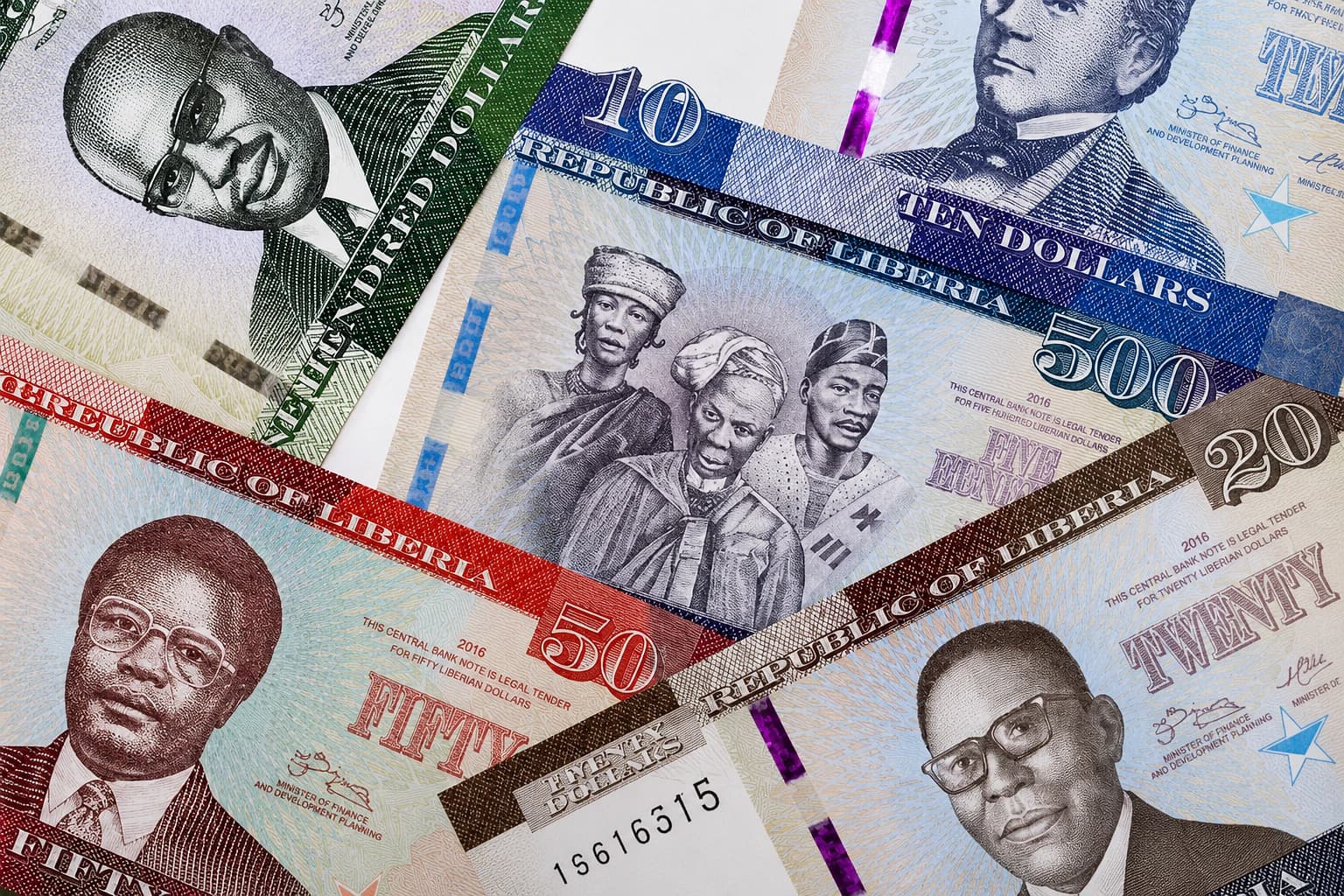
The Liberian-dollar exchange rate ended March 2026 at L$183.93 per US dollar, down 7.92 percent from L$199.76 a year earlier, according to the Central Bank of Liberia (CBL). In a country where most consumer goods are imported and most exports are priced in dollars, an 8 percent currency move in 12 months ripples through virtually every business.
The path was not linear. The rate weakened to L$201.16 per US dollar in July 2025 — the softest level in the 24-month dataset — before reversing sharply through the second half of the year. By November 2025, it had strengthened to L$177.51, the firmest point in the period. Since then it has drifted slightly weaker to the current L$183.93, settling into a range that has held within 1 percent since February 2026.
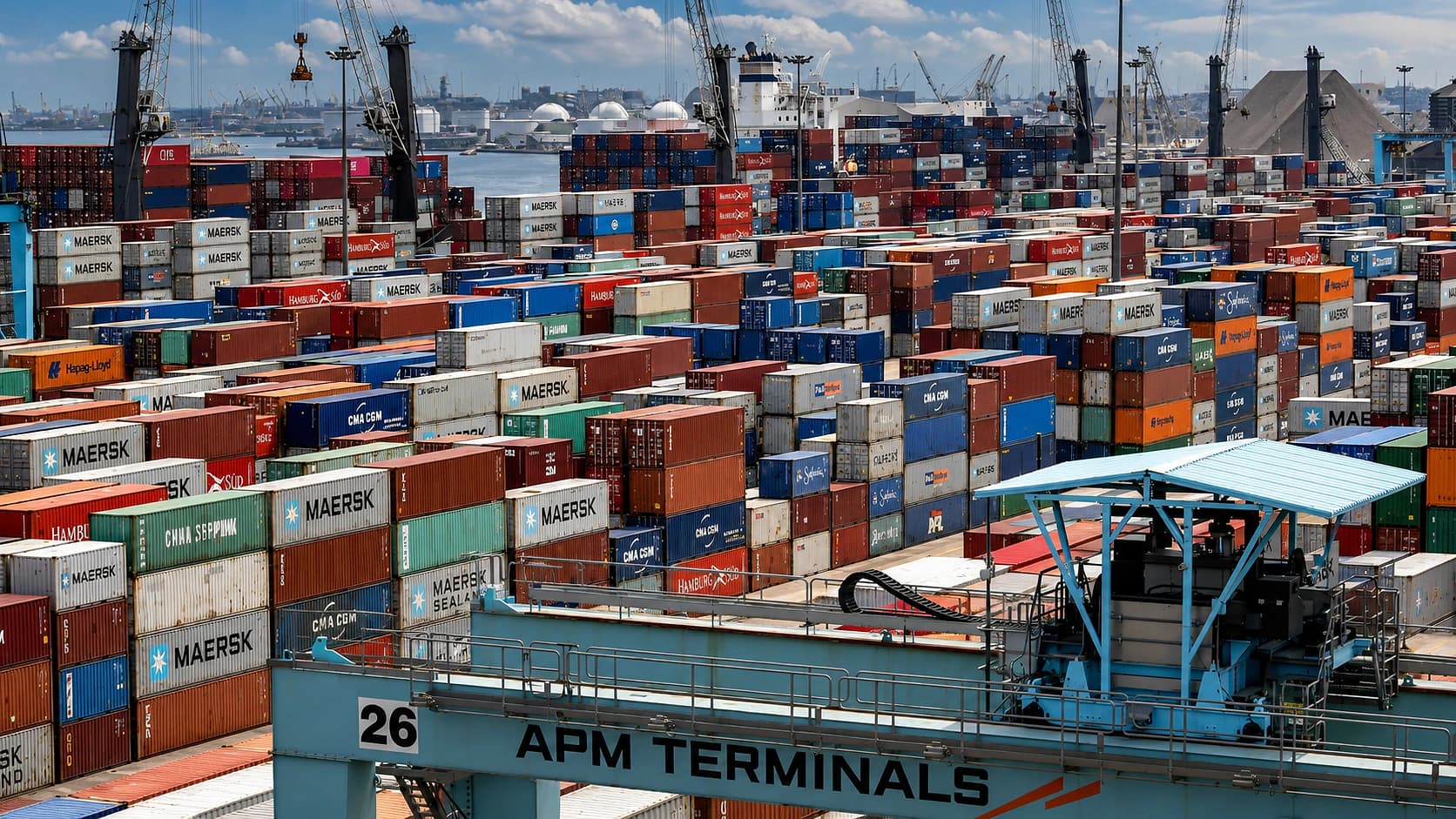
For importers, the math is straightforward. A US$10,000 container of goods that cost L$1,997,600 to purchase a year ago now costs L$1,839,300 — a saving of roughly L$158,000 per container. A retailer importing 10 containers a year sees an aggregate benefit approaching L$1.6 million. That saving can flow to lower shelf prices, wider margins, or both.
For exporters, the same arithmetic works in reverse. A gold miner earning US$1 million in export revenue converts to L$183.93 million today, compared with L$199.76 million a year ago — L$15.83 million less. Operating costs denominated in Liberian dollars — wages, fuel, local procurement — have not fallen by the same proportion.
The underlying driver is not hard to identify. Export earnings have been rising — total monthly exports reached US$263.28 million in March 2026, up 73.76 percent year-on-year, according to the CBL. More dollars flowing into the economy from commodity sales puts upward pressure on the Liberian dollar. The CBL's net foreign assets swung from negative territory for most of the past two years to L$43,178.99 million in March 2026 — a build-up that gives the central bank more capacity to manage the currency.
The monetary policy rate, held at 16.25 percent since October 2025, reinforces the picture. A high policy rate makes Liberian-dollar deposits relatively attractive and discourages speculative dollar-buying, adding another layer of support.
For businesses that price in Liberian dollars but pay for imports in US dollars, the stronger currency is unambiguously helpful. For those earning in dollars but paying local wages and rent, the adjustment is less welcome but manageable while the rate remains stable.
What to watch is whether the commodity export boom feeding dollar supply can be sustained. Gold at US$175.13 million per month is a 24-month high and nearly triple the US$58.80 million recorded in May 2024. If global gold prices soften or export volumes decline, the dollar inflows that underpin the current exchange rate will weaken — and the L$183.93 rate that importers are now budgeting around may not hold.