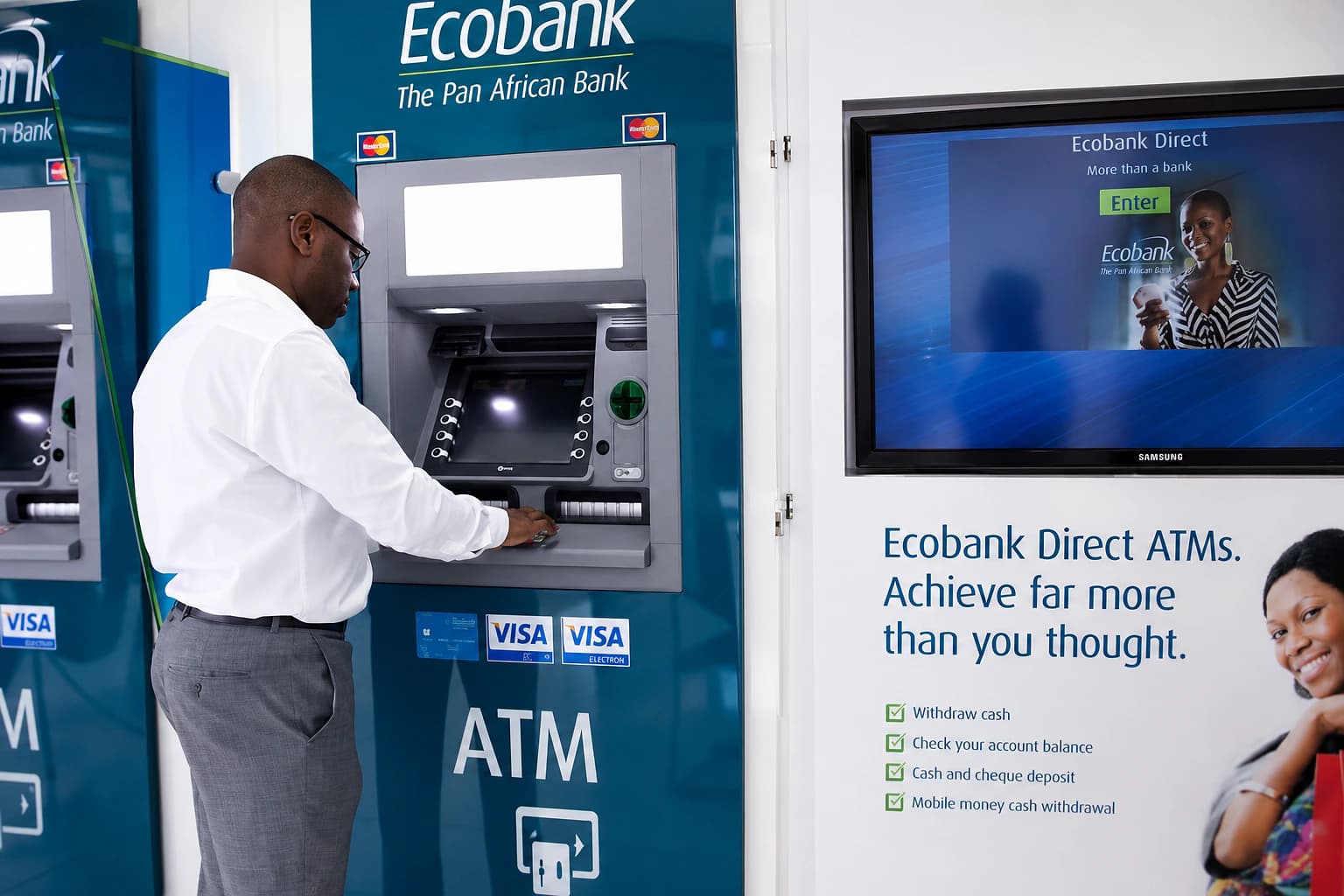
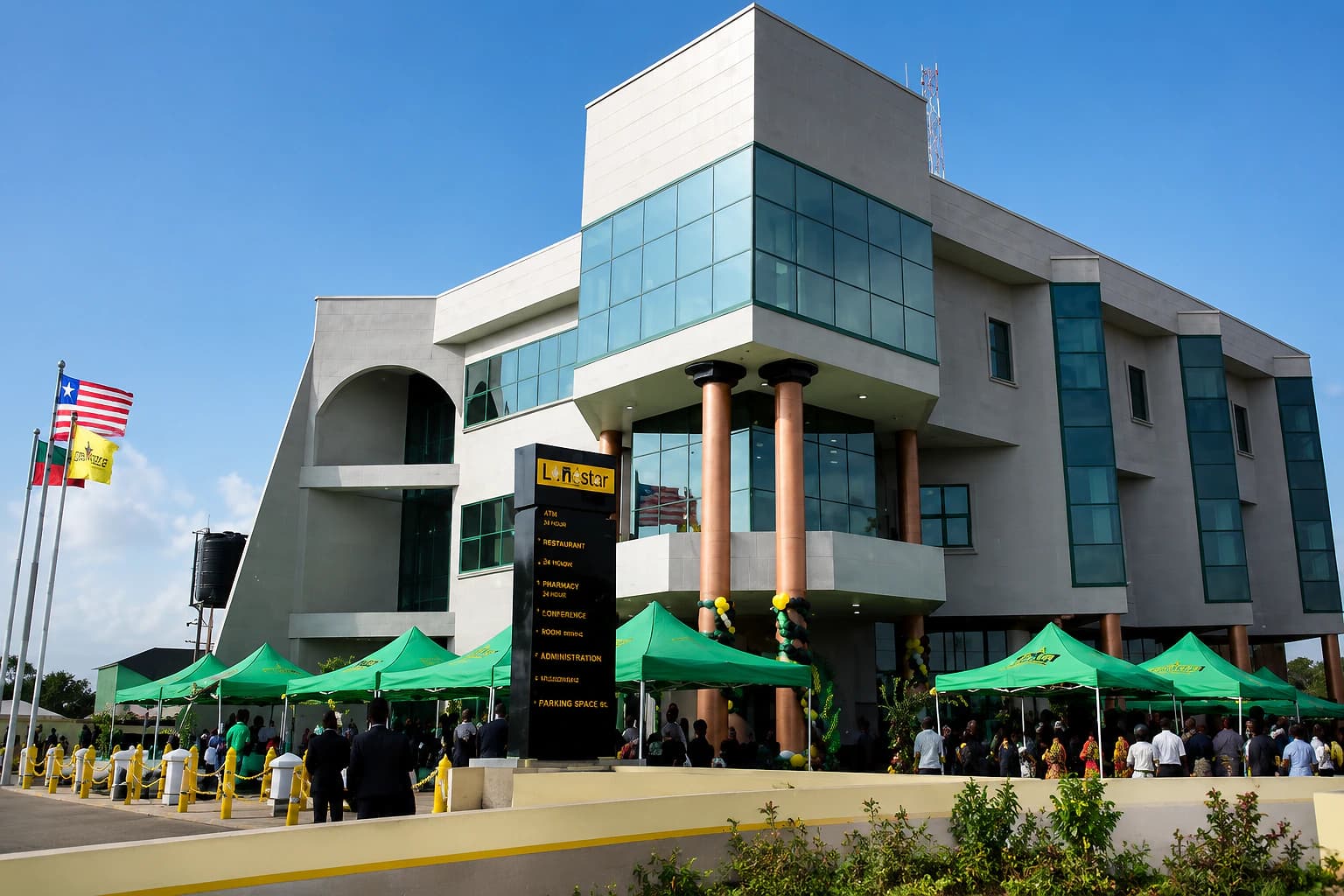
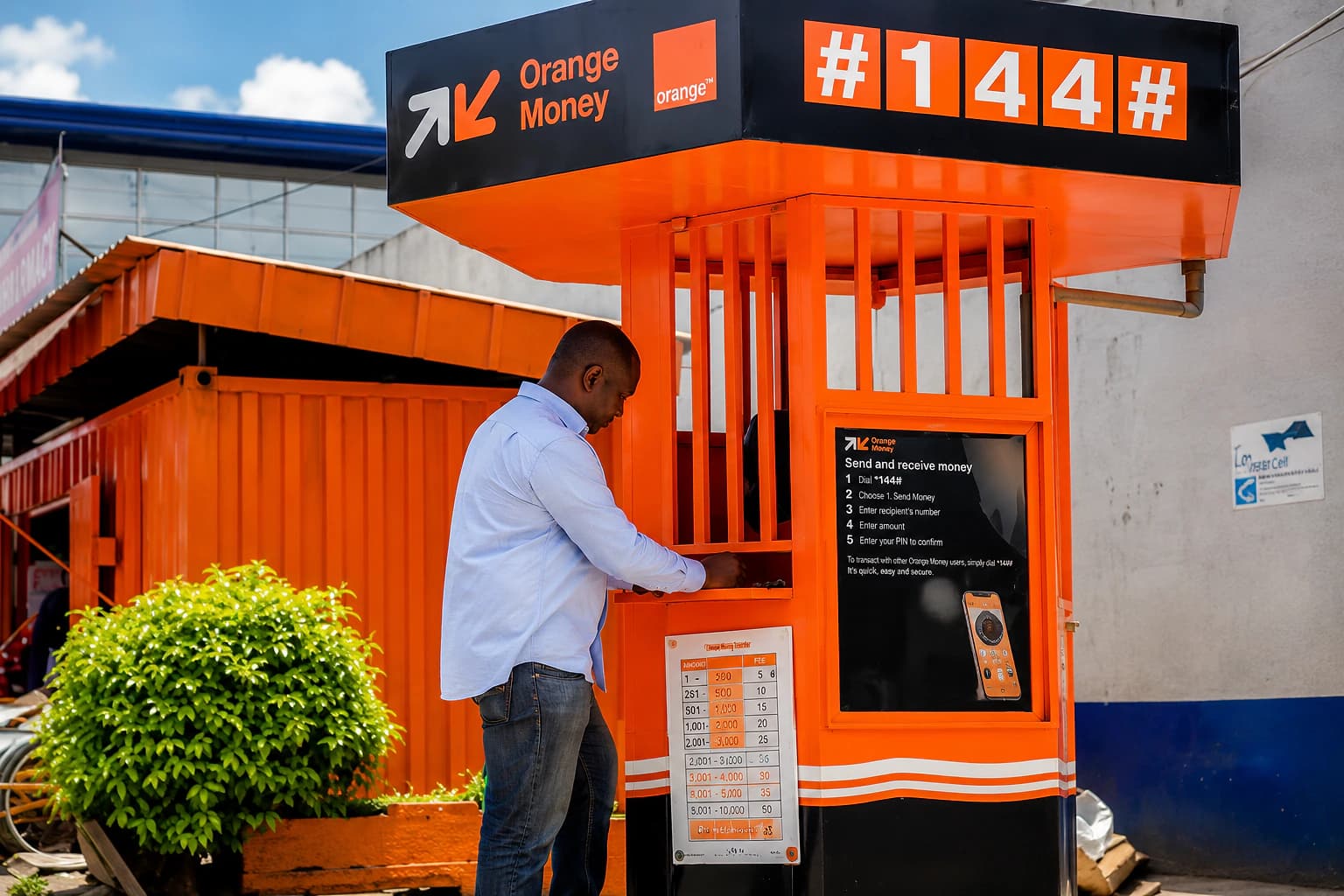
Liberian-founded EKAN International is building a platform that embeds payments, invoicing and escrow directly into encrypted conversations — betting that in Africa's mobile-first economy, the messaging thread is a better checkout lane than the banking app.
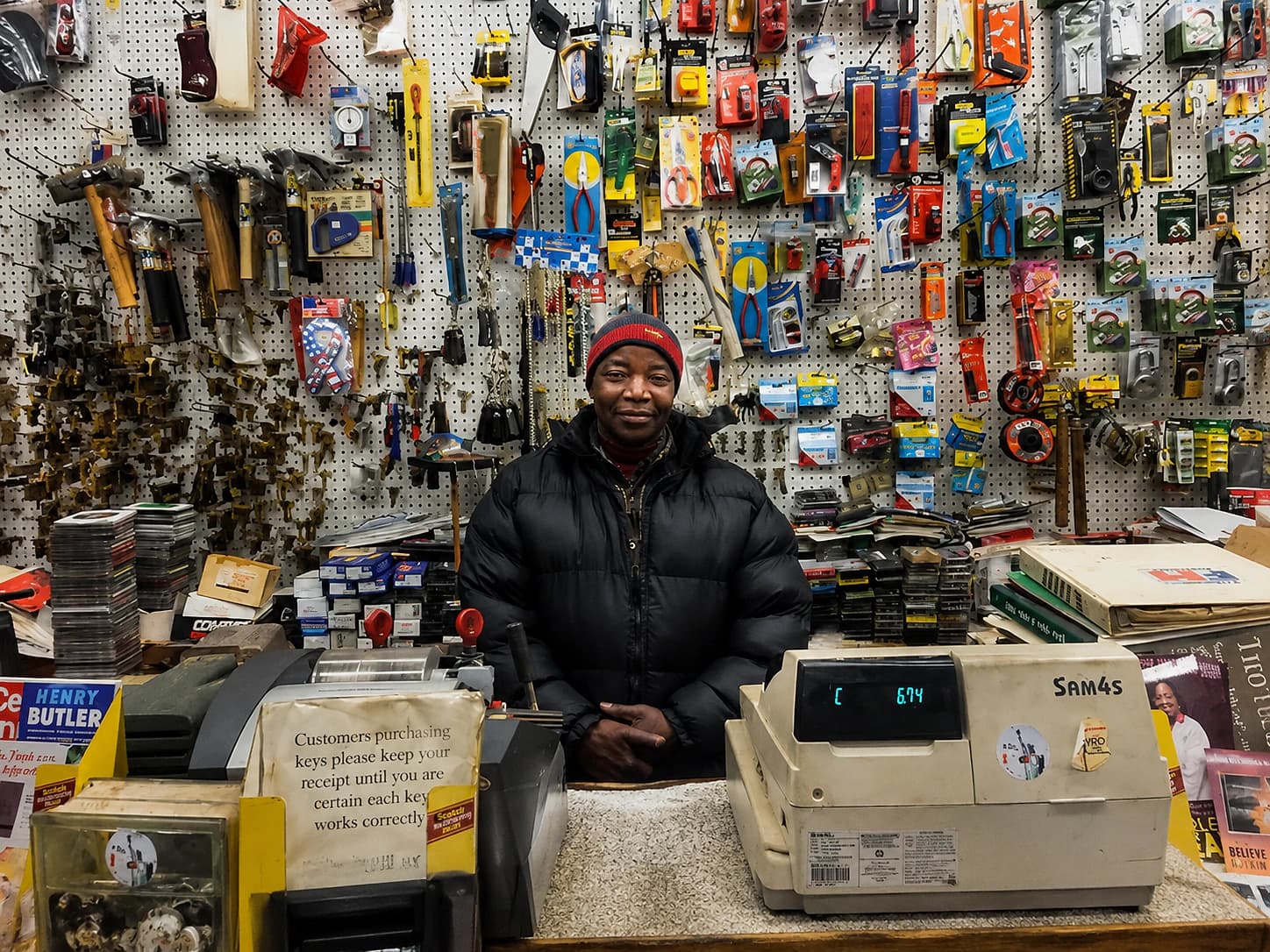
At February 2026's average lending rate of 13.11%, a cookshop owner borrowing L$500,000 pays over L$65,000 a year in interest before touching principal. Inside the structural barriers — informality, weak collateral registries, slow default recovery — that price most small businesses out of formal credit.
Founded in 2024, HUIX-2099 is a one-person technology studio in Monrovia working across VR, XR, AI and 3D visualization. With five products already shipped — from an open-source developer tool to a voice-acted open-world game — the studio is testing whether a Liberian company can build globally competitive immersive technology.
The global games industry generates US$184 billion a year. Virtually none of it comes from West Africa. HUIX-2099's Monrovia Hustle is a single data point, but it arrives at a moment when the economics of African-authored digital content are shifting.
HUIX-2099, a one-person studio in Monrovia, has released a playable vertical slice of Monrovia Hustle 3D — a story-driven open-world game set in downtown Monrovia. Built solo on a machine with 4 GB of RAM, the project is less a finished product than a calculated proof of concept aimed at investors and partners who want to back African-authored digital content.
Liberia's GDP reached US$5,159.74 million in 2025, up 8% in nominal terms. Services account for the largest share at 38.7% of real output, followed by agriculture at 28.7% and a mining sector that has nearly doubled its weight in four years.
Total government revenue surged to US$304.37 million in March 2026, with tax receipts at US$59.46 million and total expenditure at US$136.57 million. For Liberian businesses that contract with government, the surge signals opportunity — but also the lumpiness that makes government a difficult customer.
Trade and hotels generated US$505.74 million in constant-price GDP in 2025, up 5.5% and now accounting for a third of all services output. With financial institutions growing 4%, construction up 6.05%, and transport expanding steadily, the services economy is the part of Liberia's growth story that most directly touches small business.
The average Liberian-dollar personal loan rate stood at 16.16% in February 2026, three full percentage points above the commercial lending rate of 13.11%. For the thousands of micro-entrepreneurs who borrow on personal terms because their businesses lack the formalization to qualify for commercial credit, the gap is a structural penalty that caps growth before it starts.
Exports to China surged to US$134.19 million in 2025 from just US$0.61 million the year before — a jump so large it reshaped Liberia's trade geography overnight. The recovery echoes the US$146.26 million China bought in 2014 at the peak of the last iron-ore cycle, and it signals that a major commodity channel has reopened.
Liberian commercial banks held L$260,501 million in deposits included in broad money as of March 2026 — roughly US$1.42 billion at prevailing rates. Yet bank claims on the private sector grew just 1.1% over the same year. The deposits are piling up faster than banks are willing to deploy them.
Liberia's economy grew 4.57% in real terms in 2025, but the barriers to turning that growth into new businesses remain steep. Expensive credit, limited formalization, imported input costs and a narrow services sector define the startup environment.
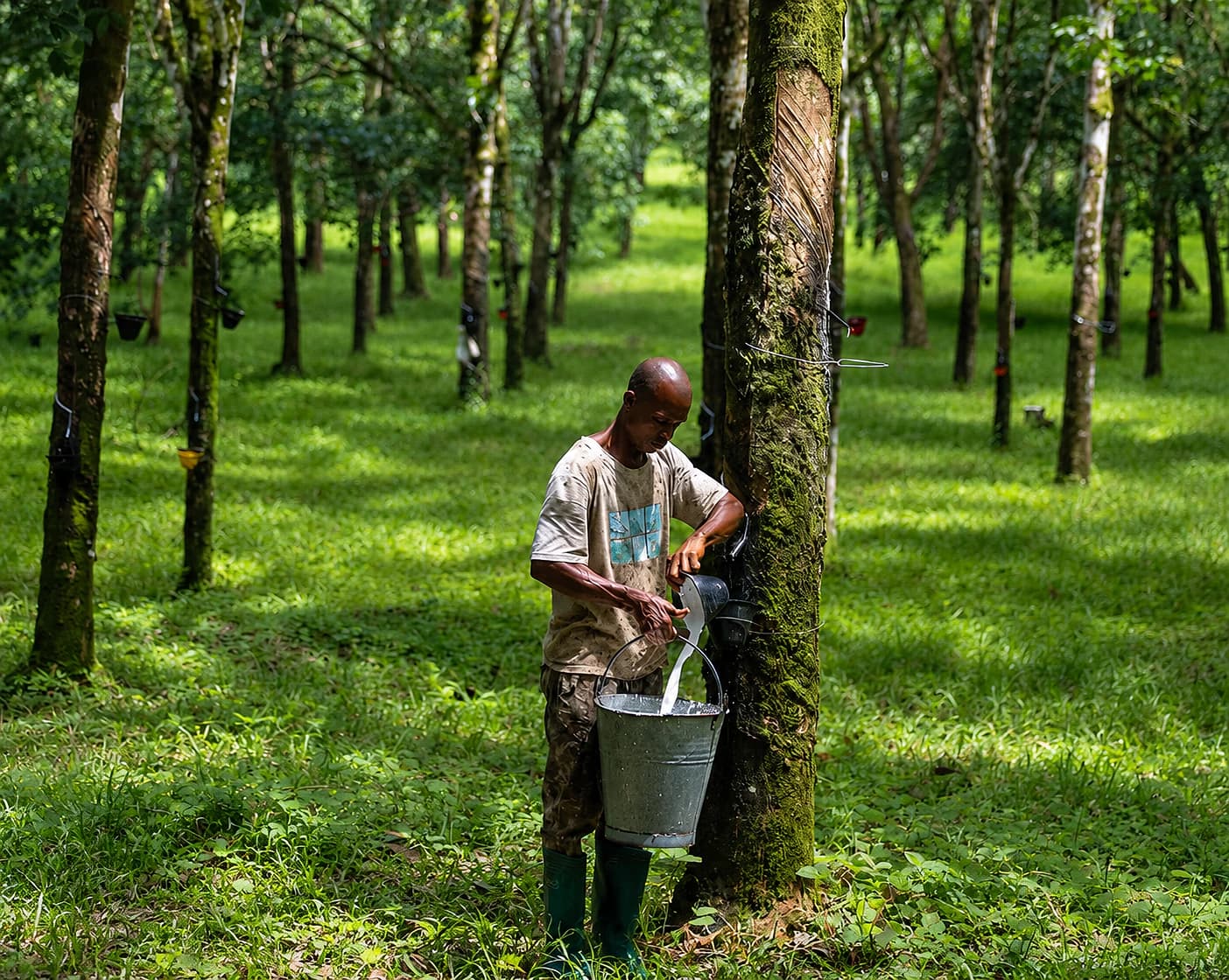
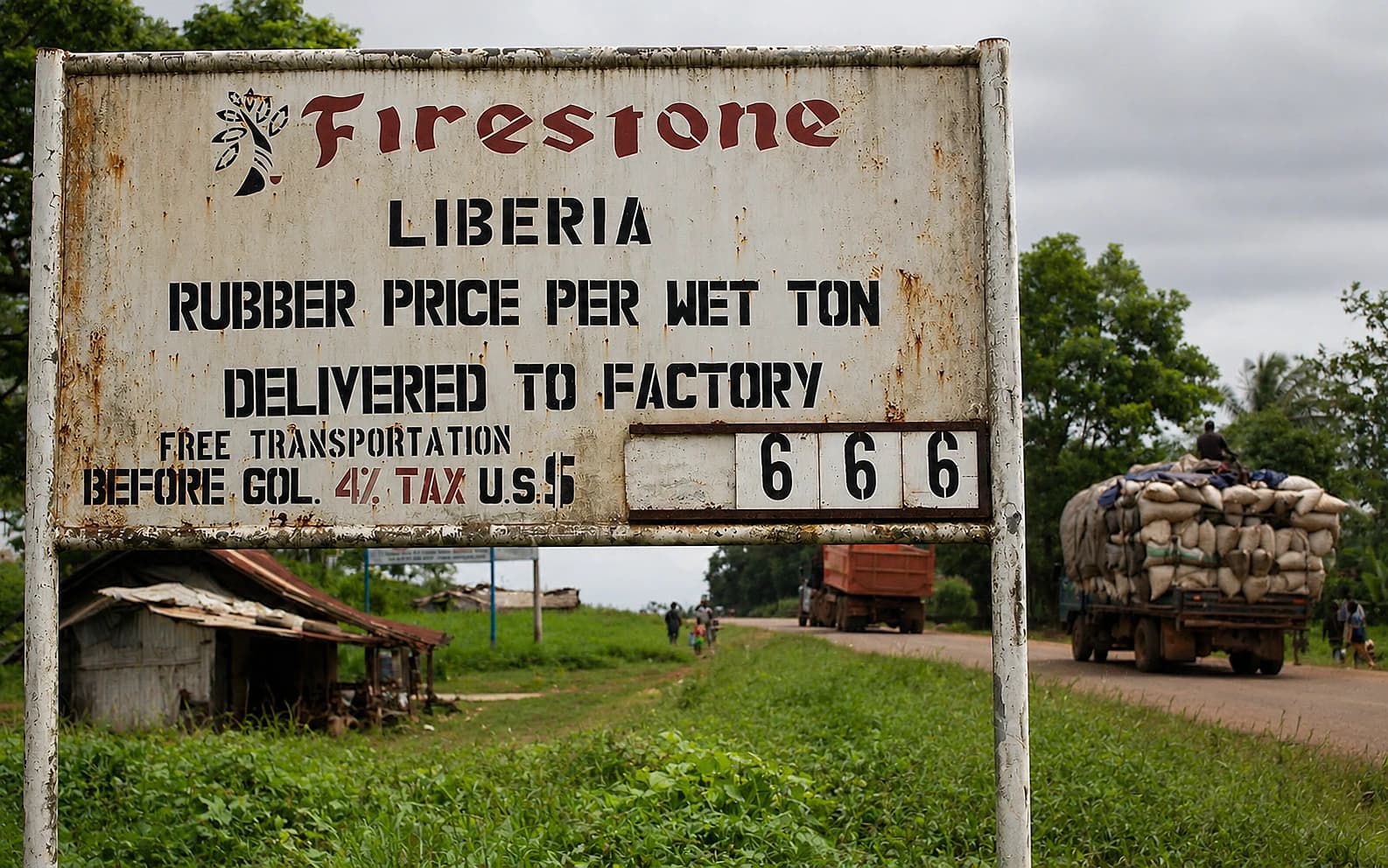
Rubber contributed US$105.99 million in constant-price GDP in 2025, up 8% from US$98.14 million the year before. But monthly production tells a rougher story: output swung from 14,214 metric tons in June 2025 to 1,871 tons in September, and March 2026 came in at just 3,476 tons. The sector is growing in value while grappling with deep seasonality.
Mining surged past US$1 billion and gold and iron-ore exports boomed in 2025, while agriculture grew barely 1% and most Liberians work in sectors expanding far more slowly. The split defines who benefits from the country's growth.
Tax revenue ran between US$58 million and US$80 million in most months but spiked to US$304 million in March 2026, while spending swings wildly, capital investment is squeezed and debt has climbed past US$2.8 billion. The combination leaves Liberia growing but with little fiscal room to spare.
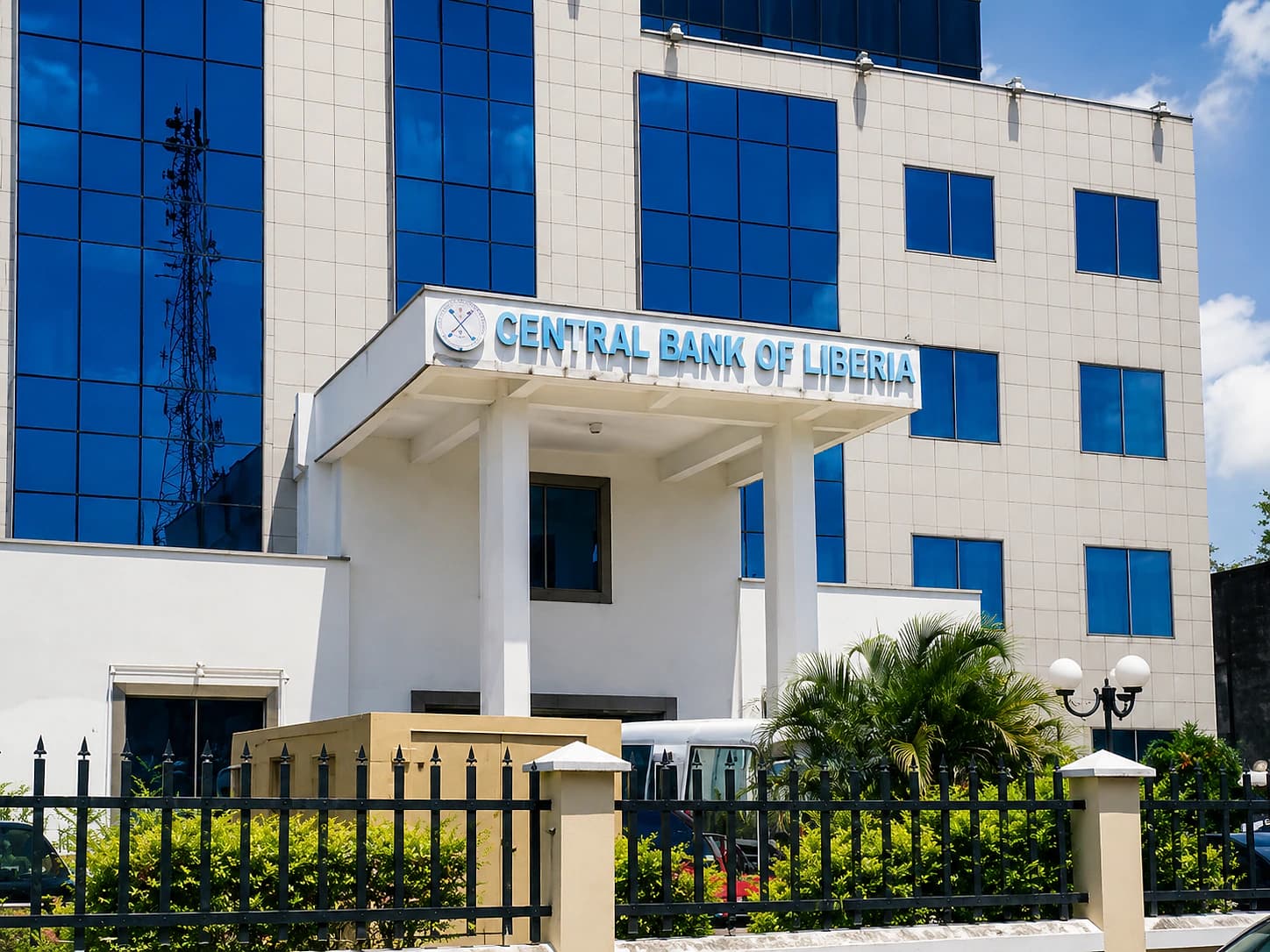
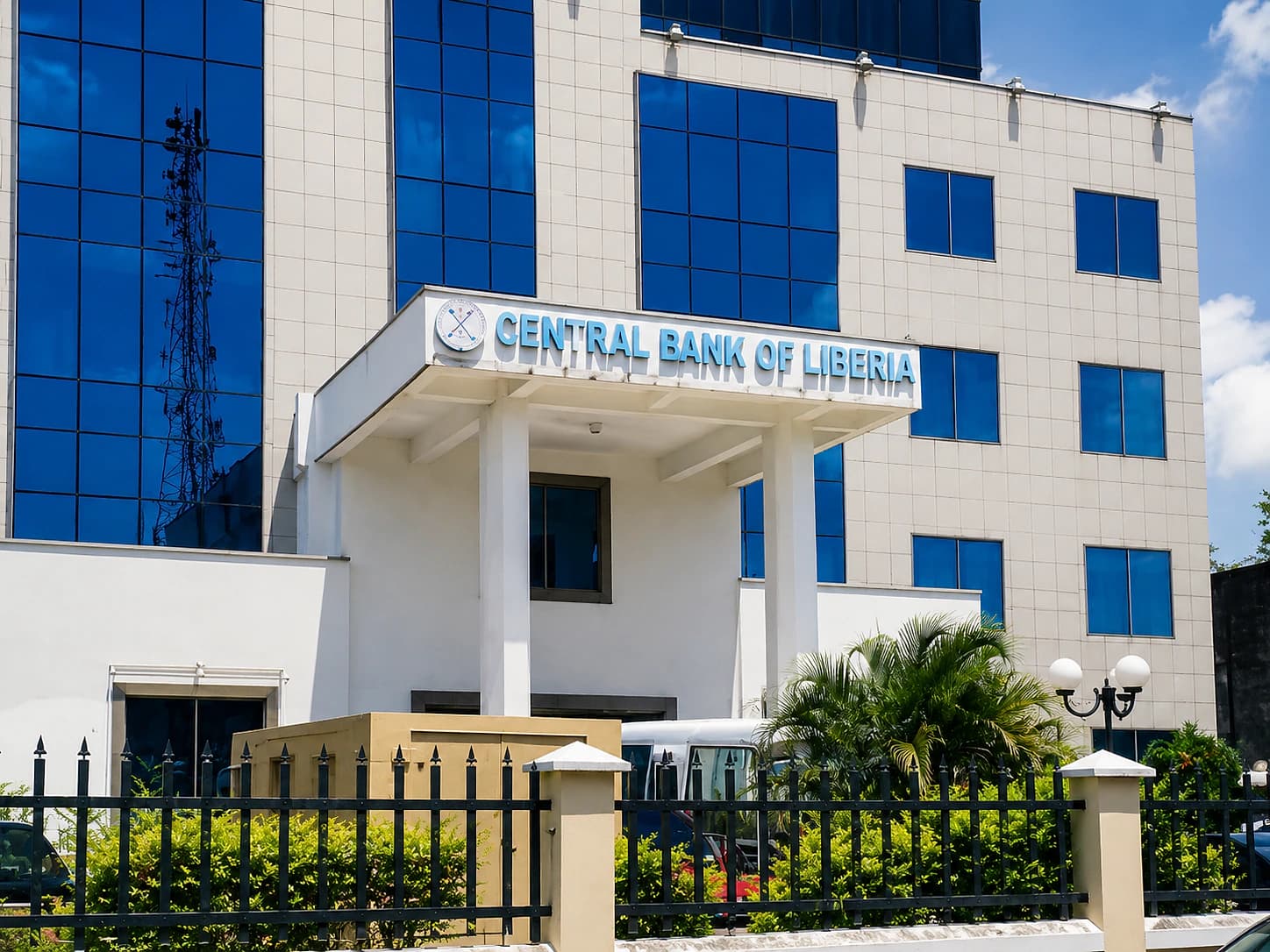
The Central Bank of Liberia has held its monetary policy rate at 16.25% since October 2025 — down from 20% in mid-2024 but still elevated by historical standards. With headline inflation at 4.50%, real interest rates are strongly positive, and commercial lending at 13.11% remains expensive for most businesses.
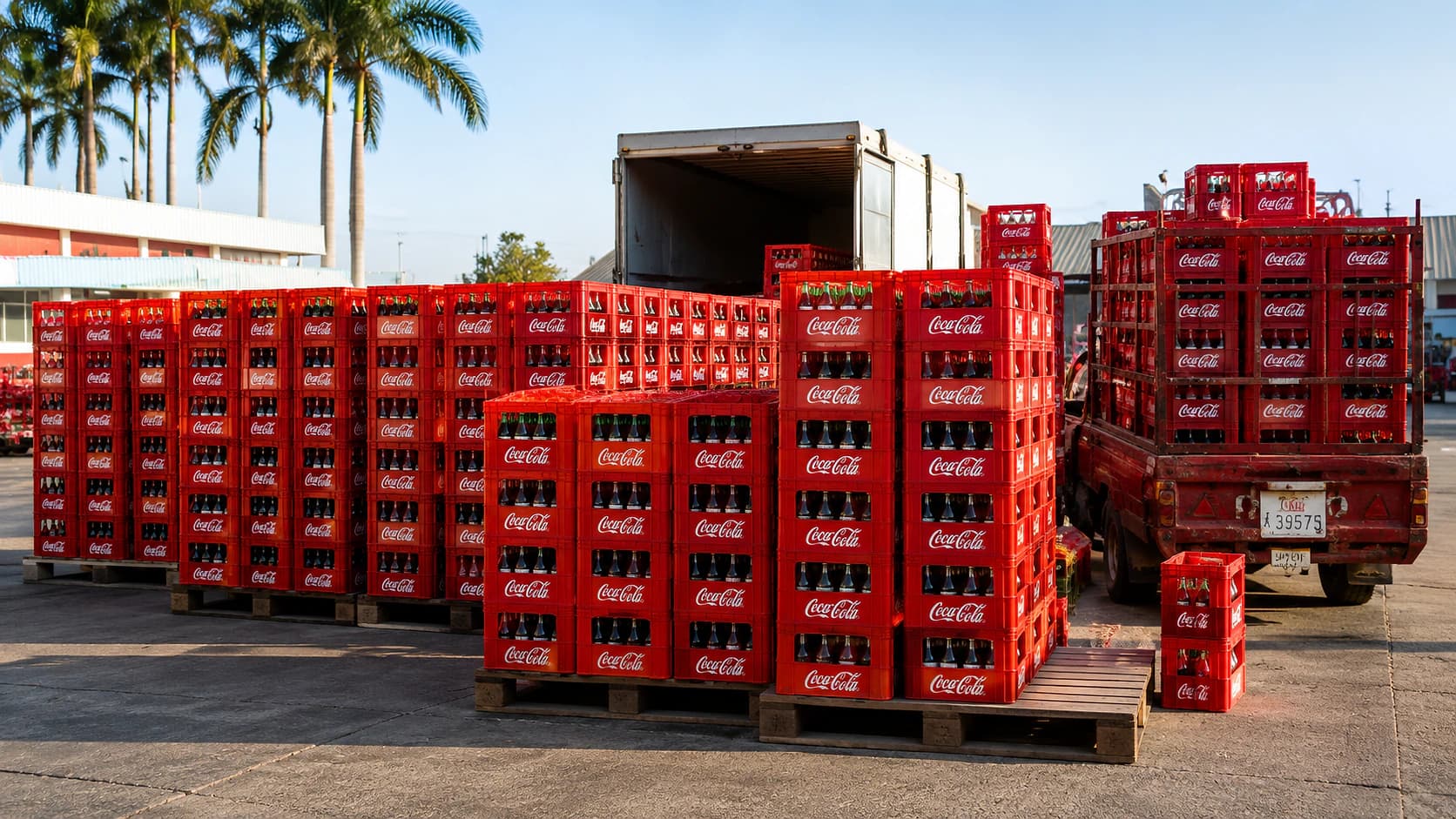
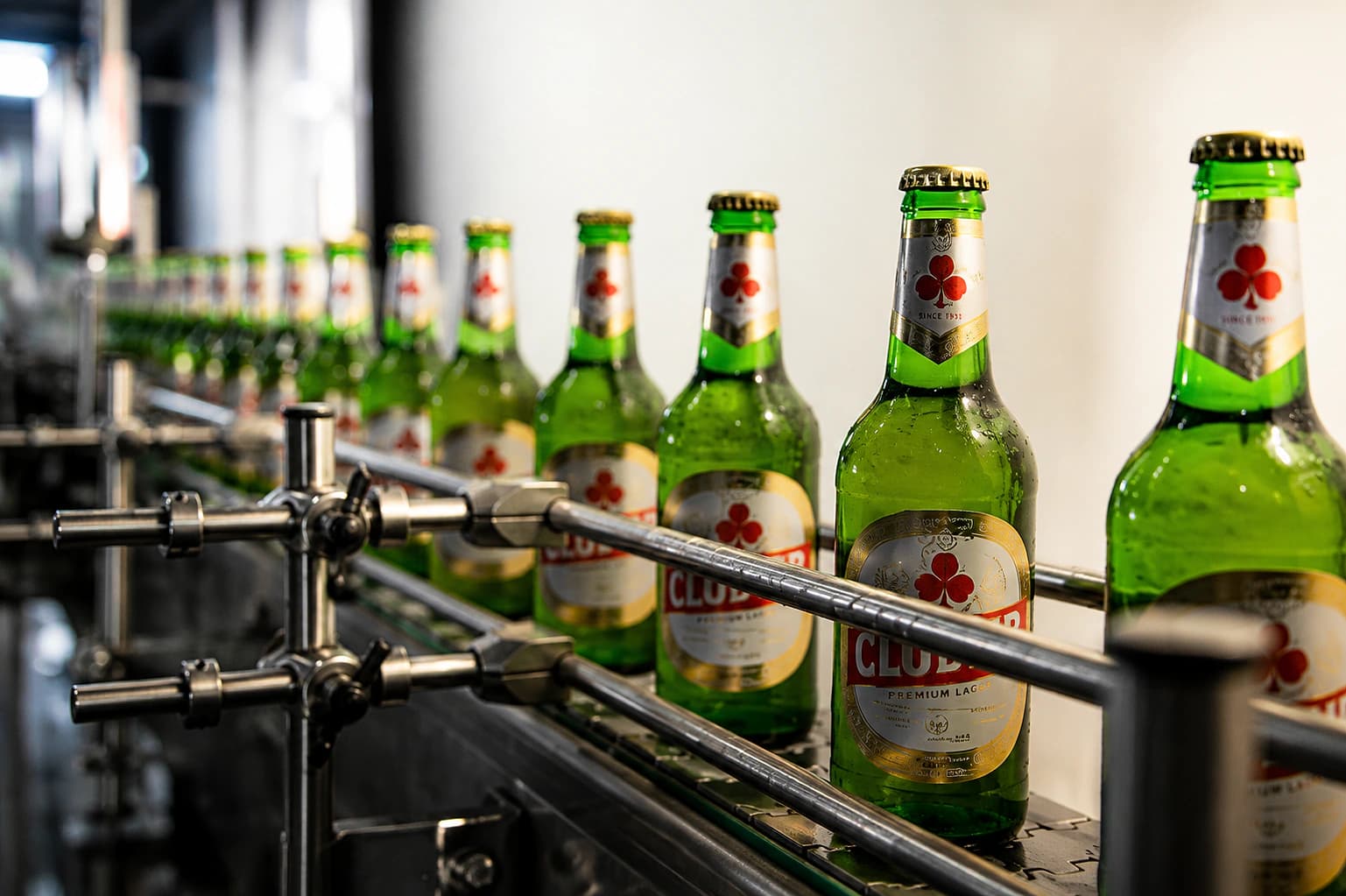
Beverage output rose 20.3% in the year to March 2026, to 4.0 million liters, one of the country's most established manufacturing lines. The growth points to resilient consumer spending and a broadening industrial base.
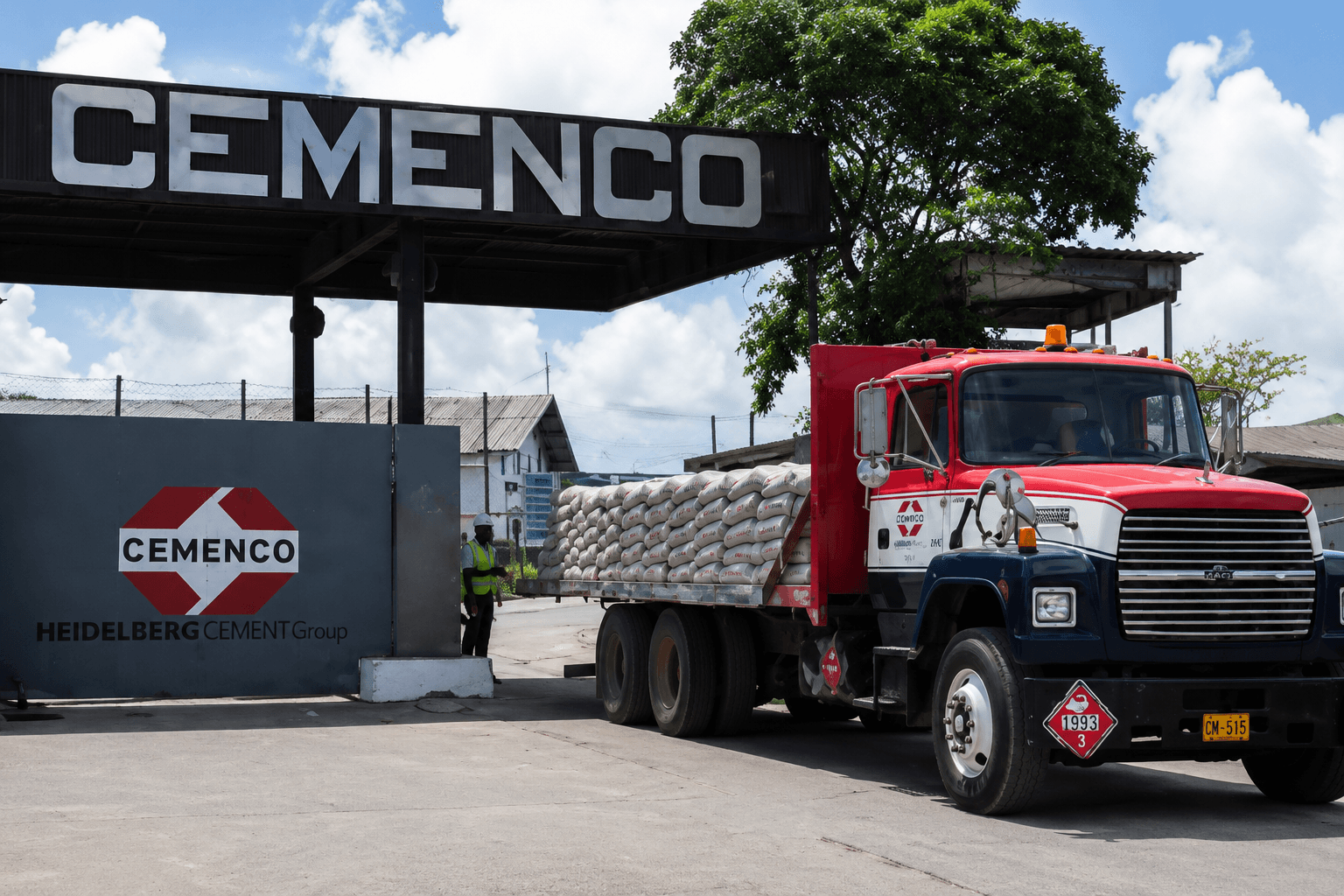
Cement output reached 89,000 metric tons in March 2026, a record in the monthly series and up 52.5% on the year, after rising for several straight months. The climb is a clear read on a building upturn.
Real GDP per capita rose about 2.4% in 2025 and is up roughly 12.5% from its 2020 low, but still sits just below where it stood in 2018. The slow climb shows how population growth eats into headline gains.
The value of government services rose about 2.7% to US$169 million in 2025, the slowest-growing major part of the economy. Tight budgets and a heavy wage bill leave little room for the state's own contribution to output to expand.
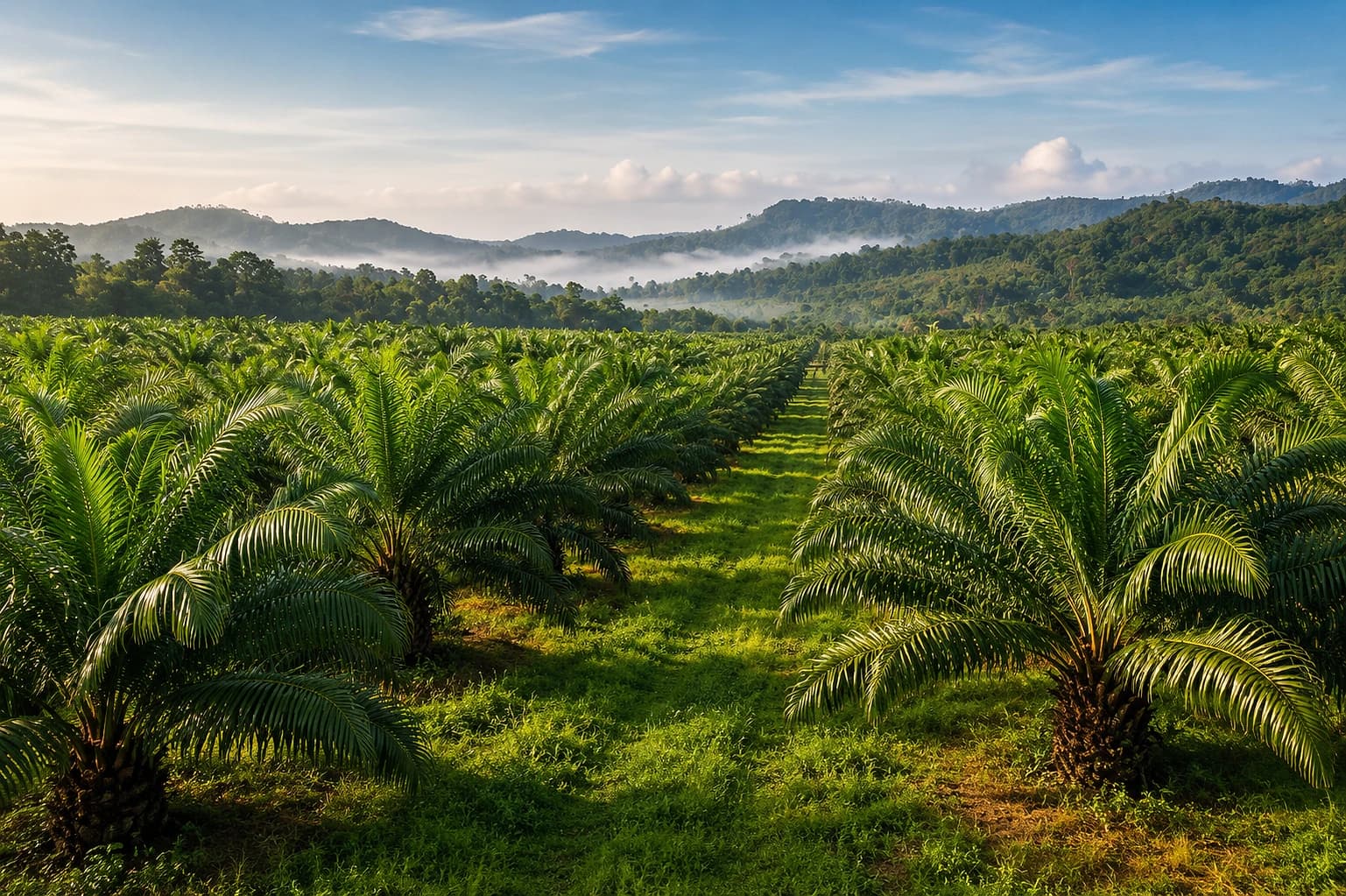
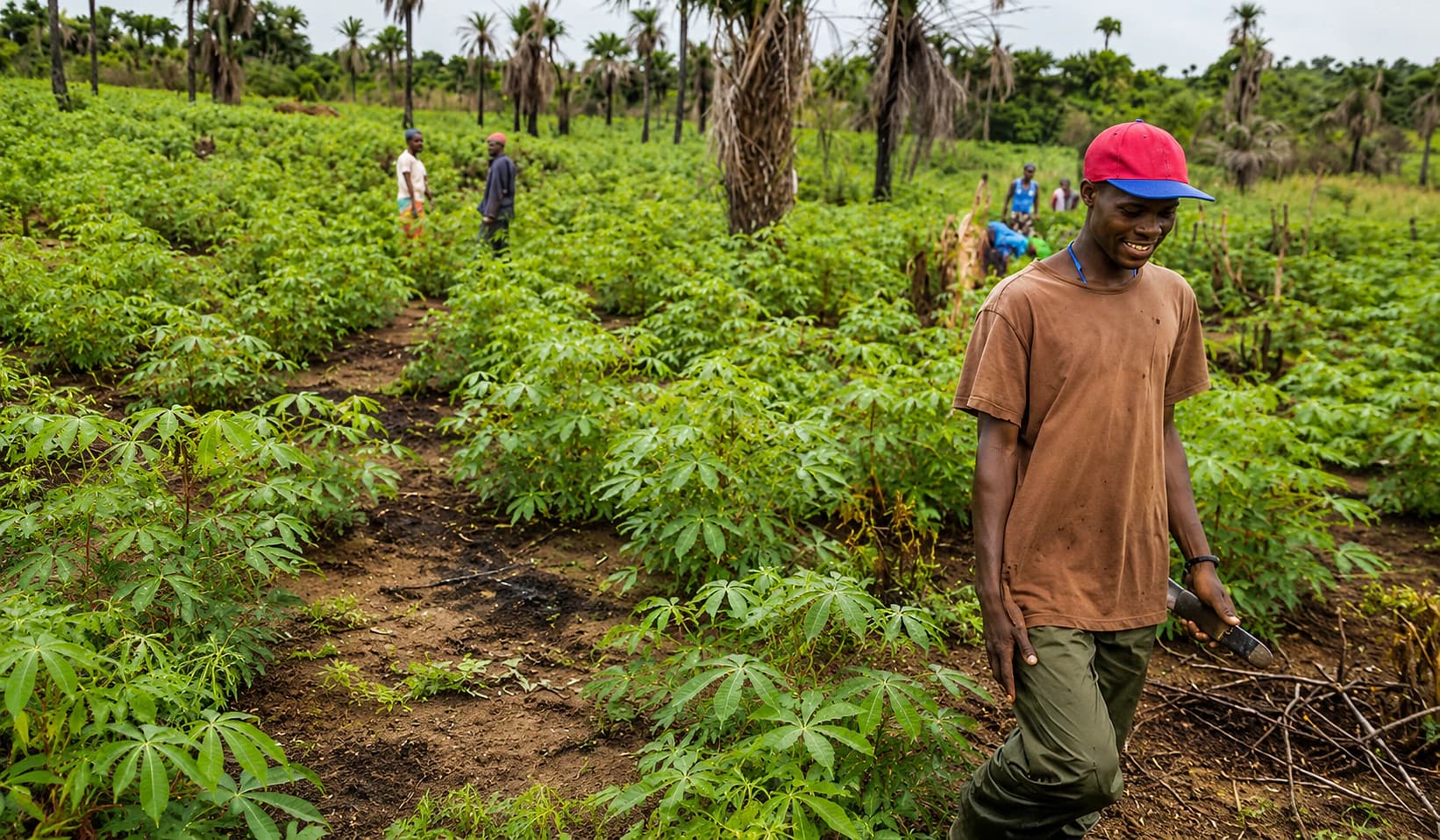
Palm oil output was valued at about US$173 million in 2025, up nearly 8.8% on the year and well above its 2020 level, as a crop Liberia has long sought to scale shows signs of recovery. Smallholders and concessions both shape the outcome.
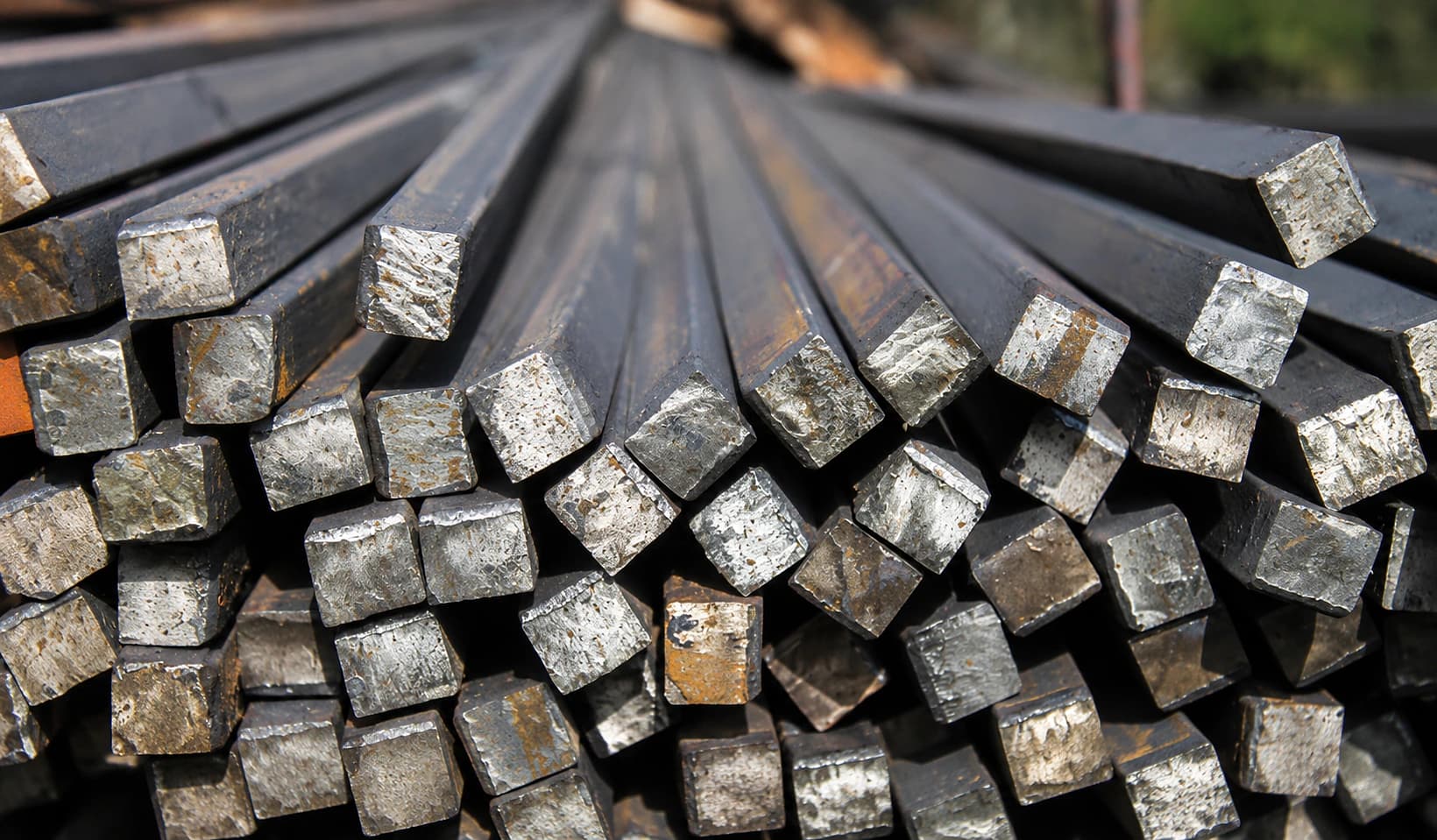
Steel production rose to 4,267 metric tons in March 2026, up 162.3% from a year earlier, as a domestic industry geared to construction expands. The growth points to import substitution in building materials.
Rice output was valued at about US$296 million in 2025, down from US$350 million a year earlier, even as the grain remains the country's politically charged staple. Heavy import reliance keeps rice prices a perennial flashpoint.
Forestry output from logs and timber was about US$18 million in 2025, below its 2020 level, while recorded round-log production sat at zero through early 2026. A sector with vast resource potential remains one of the economy's quiet underperformers.
Electricity generation climbed about 30.7% over the year to March 2026, and the electricity and water sector grew nearly 13% in 2025 to US$50 million. Yet access remains among the world's lowest, leaving most Liberians reliant on costly alternatives.
The financial-institutions sector expanded about 6.8% to US$161 million in 2025, a steady climb even as banks lent more to the government than to business. The sector's growth outpaces the credit reaching the private economy.
The transport and communications sector grew about 7.8% to US$257 million in 2025, lifted by mobile services, logistics and the movement of goods. Its steady expansion underpins commerce across an economy where moving goods is costly.
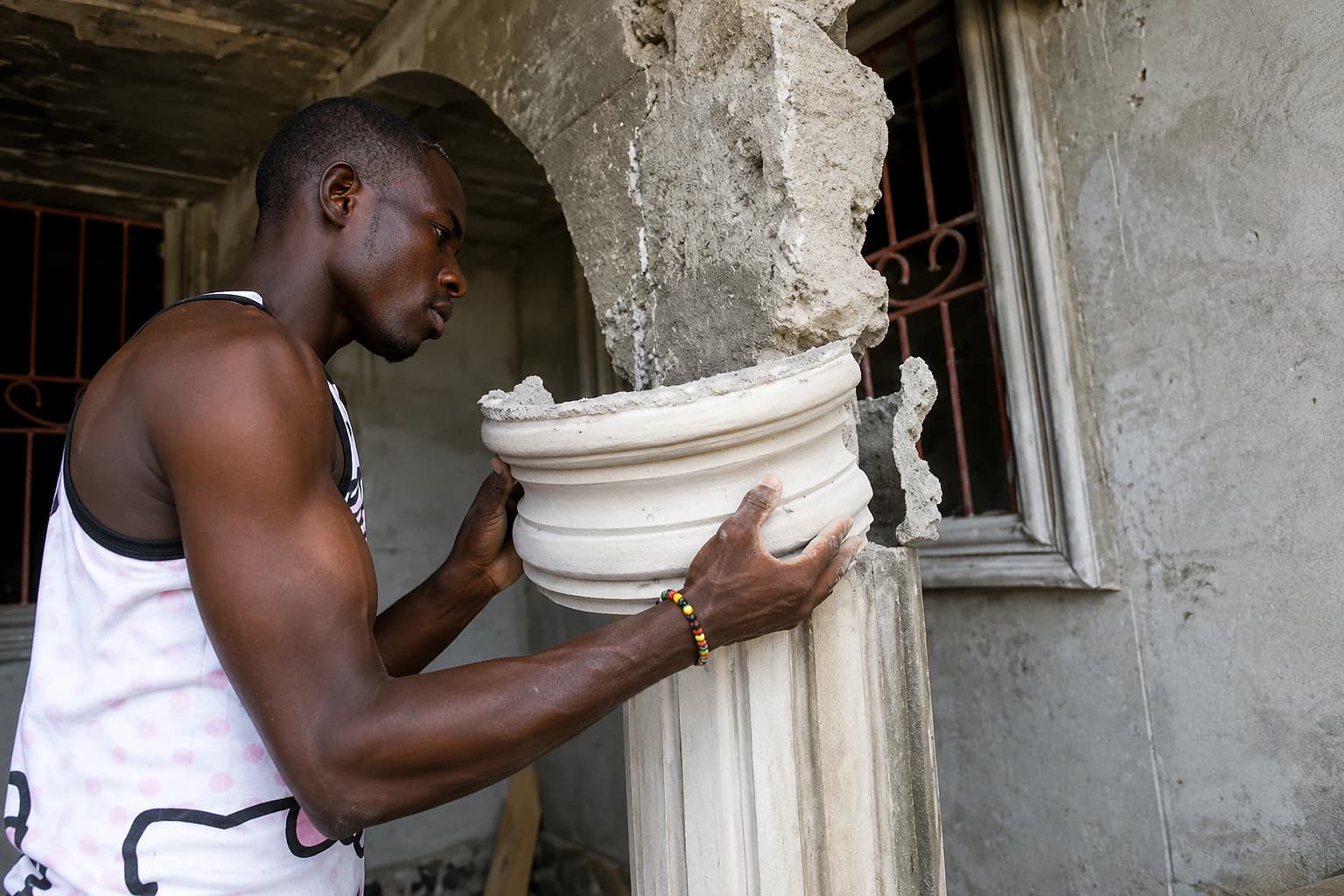
Construction output reached US$270 million in 2025, up about 8.9% on the year and nearly double its 2020 level, as cement production hit records. The building boom is one of the clearest signs of domestic investment beyond the mines.
Imported-item prices were essentially flat over the year to March 2026, up just 0.1%, while domestic prices rose 5.8%. The split overturns the usual story and points to home-grown costs, not imports, as the live inflation risk.
Prices for restaurants and hotels rose 14.8% in the year to March 2026, the fastest of any major category and a heavy one at 17% of the basket. The climb reflects rising food, labor and energy costs feeding through to prepared meals and lodging.
Communication prices dropped 5.0% in the year to March 2026, one of the few categories getting cheaper, as mobile and data competition pushes costs down. The decline is a quiet dividend of Liberia's expanding digital economy.
Education prices rose 3.2% over the year to March 2026, moving in a single step rather than gradually — the signature of fees set once a year. For families, the cost of schooling is a recurring strain in a country betting on its young population.
The health price index rose 6.1% in the year to March 2026, with a sharp mid-2025 spike, adding to the cost of care in a country where most medical spending is out of pocket. Health carries a 9% weight in the consumer basket.
The cost of housing, water, electricity and fuels rose 6.1% in the year to March 2026, outpacing headline inflation. With shelter and utilities a fixed monthly burden, the increase squeezes household budgets that have little room to adjust.
Tax revenue totaled about US$187.3 million in the first quarter of 2026, holding near US$60 million a month, while grants recorded in the monthly data stayed at zero. The figures show a budget leaning almost entirely on what the country collects itself.
Government salaries reached US$40.5 million in December 2025 and dominate recurrent spending, a wage bill that competes directly with investment and debt service. Containing it is among the hardest tasks in Liberian fiscal policy.
Capital spending collapsed to near zero in early 2026 before a US$50 million March outlay, while recurrent costs absorbed the bulk of the budget. The imbalance leaves little for the roads, power and water that growth depends on.
Total government spending ranged from US$33 million in January 2026 to US$193 million in December 2025, a volatility that complicates budgeting and service delivery. Recurrent costs dominate, leaving little that is steady or predictable.
Total government debt reached US$2.82 billion in December 2025, up 7.15% on the year, with external creditors holding nearly 58% of the stock. The rising burden narrows the fiscal room for a state already leaning on a handful of commodity exports.
Broad money reached L$299.4 billion in March 2026, up 10.66% year-on-year, while the Central Bank held its policy rate at 16.25%. Reserve money surged 31% — fast enough to bear watching against the inflation goal — even as commercial lending rates edged up rather than down.
Banks' claims on the private sector rose just 1.1% in the year to March 2026 — a decline in real terms — while lending to the central government jumped about 40%. The pattern points to private credit being crowded out, and squares with Liberia's stubbornly high borrowing costs.
Headline inflation slowed to 4.50% year-on-year in March 2026 as domestic food prices fell, capping a long disinflation from 2025's double-digit average. But core inflation held near 6% and imported fuel jumped 12% in the month, leaving the Central Bank with reason for caution.
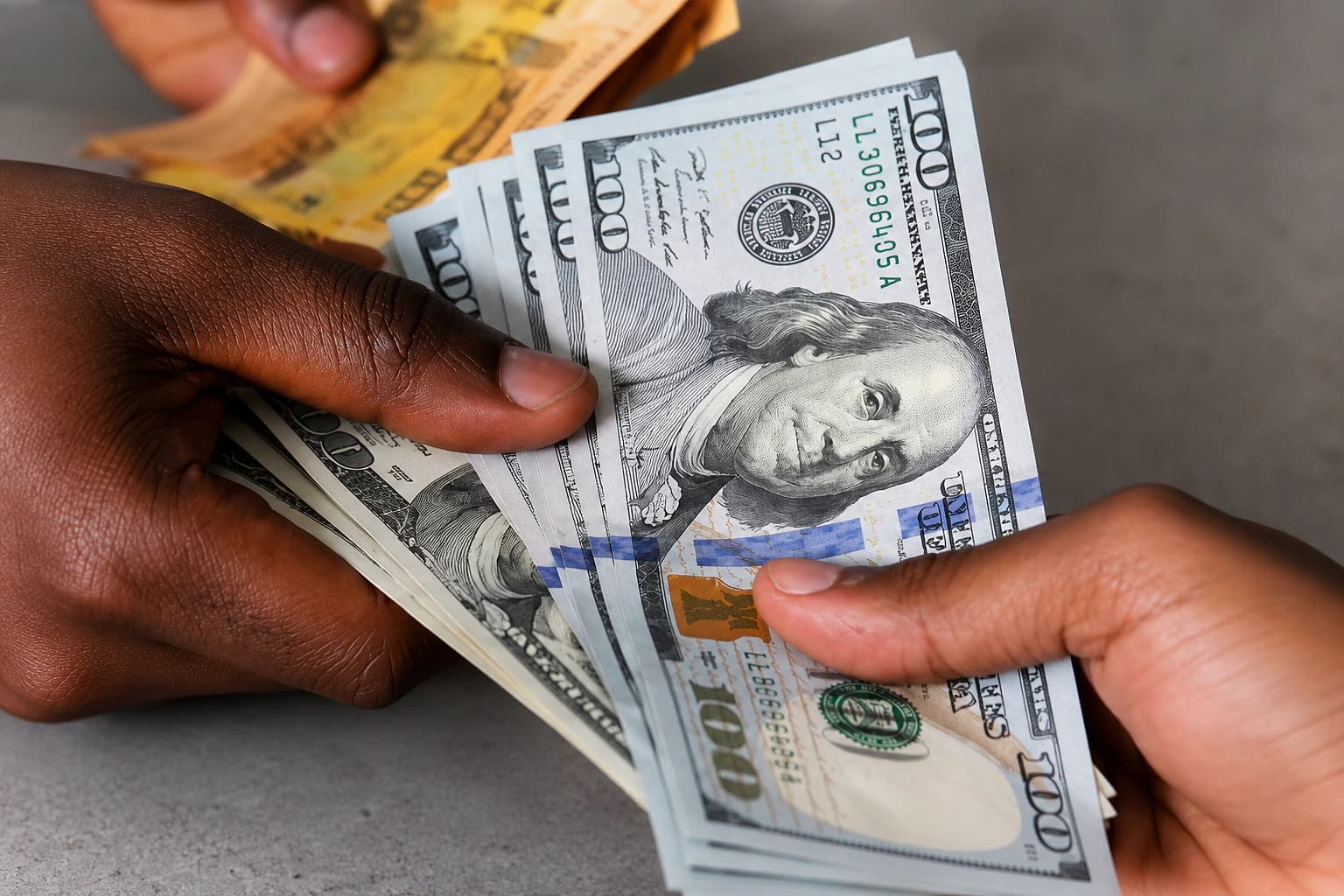
The Liberian dollar closed March 2026 at L$183.93 per US dollar — about 8% stronger than a year earlier, supported by booming gold exports and steady remittances, though it has given back ground since the end of 2025. In a dual-currency, import-dependent economy, the rate shapes everything from fuel prices to inflation.
Gold exports reached US$175 million in March 2026, more than double a year earlier and well ahead of iron ore, as output climbed to nearly 38,000 ounces. The metal's rise has reshaped Liberia's export base and helped steady the currency.
Gold, diamond and cement output rose sharply in early 2026, with diamonds more than doubling year-on-year and cement up 52%, while rubber, cocoa and timber production fell. The split captures an economy where mining surges and traditional agriculture struggles.
Domestic food prices fell about 1% over the year to March 2026, offering households rare relief, while imported fuel prices rose 12% in the month alone. The split shows how Liberia's cost of living turns on the divide between home-grown and imported goods.
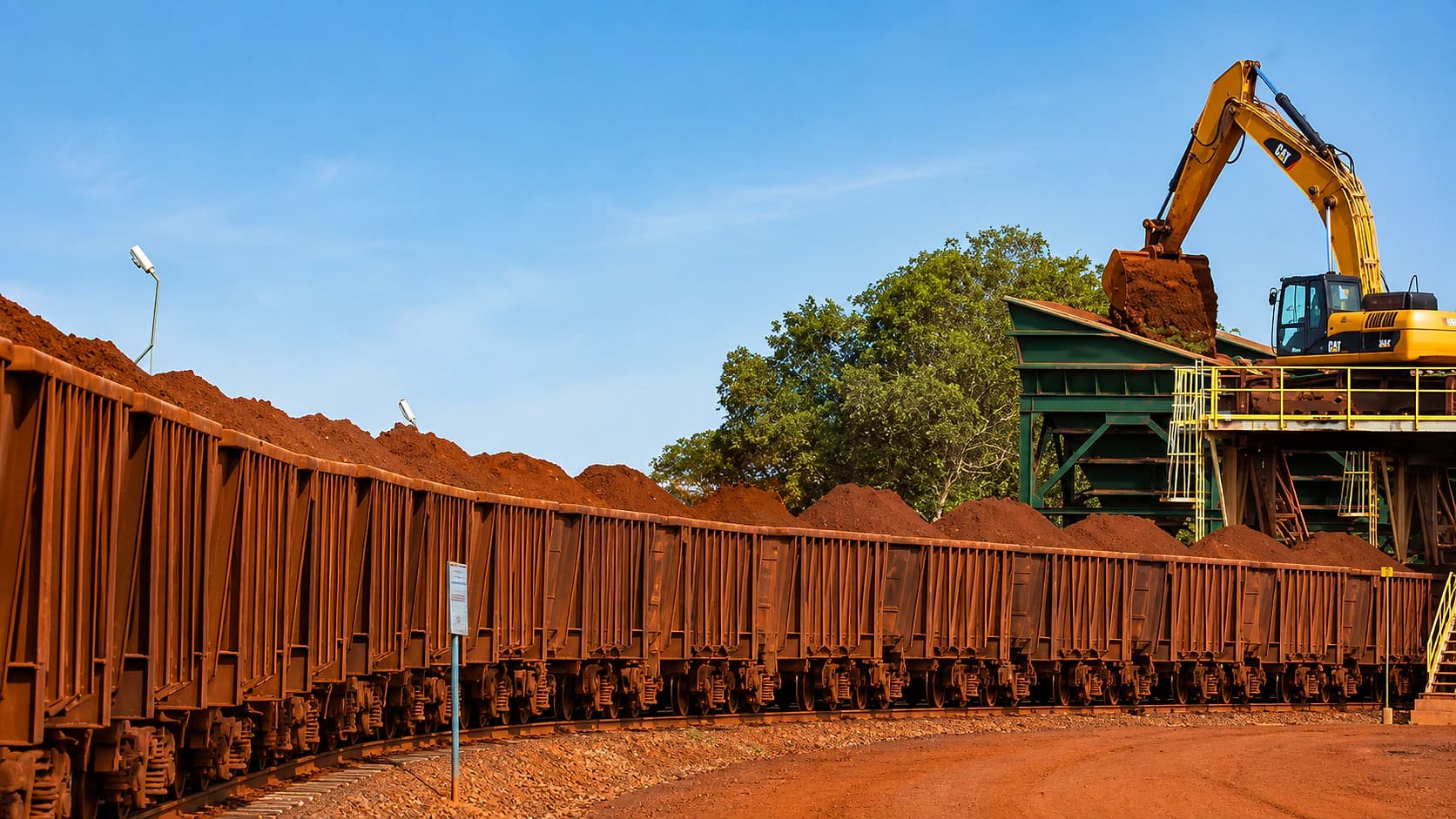
Iron-ore production reached 2.33 million metric tons in March 2026, far above the depressed level of a year earlier, while export earnings rose 47% to US$69 million. Volumes remain volatile and tied closely to global steel demand.
Total exports rose 57.9% to US$2.07 billion in 2025 on surging gold and iron-ore shipments, while imports climbed 55.4% to US$2.35 billion, widening the merchandise trade deficit to about US$281 million. The boom has reshaped Liberia's export base around gold.
Liberia's economy expanded 4.6% in 2025, its strongest pace in three years, lifting GDP to US$5.16 billion as mining output jumped 23%. National statistics put growth half a point below the World Bank's 5.1% estimate — a reminder that headline numbers still depend on who is counting.
The value of mining and panning output rose 23% to over US$1 billion in 2025, about a fifth of GDP and the single biggest driver of last year's growth. The sector's rise brings export earnings and revenue — and a deepening concentration of the economy's fortunes.
The average lending rate rose to 13.11% in February 2026 from 12.25% a year earlier, even as personal-loan and mortgage rates fell. Deposit returns stayed at 1.94%, keeping banks' margins wide and credit costly in an economy where formal borrowing is already scarce.
Inward transfers, largely remittances, totaled US$941 million in 2025 and US$225 million in the fourth quarter alone — the single largest inflow in Liberia's external accounts and the reason the current account stayed in surplus despite a wide trade deficit.
Imports reached US$329 million in March 2026, more than double a year earlier, and totaled US$2.35 billion for 2025. The figures lay bare how dependent Liberia remains on foreign goods — from fuel and food to machinery — and the pressure that puts on the trade balance.
Liberia recorded a current-account surplus of about US$77 million for 2025 on the Central Bank's balance-of-payments data, sustained by US$941 million in remittances and transfers, even as the goods balance ran a US$281 million deficit. The World Bank, using a different method, reports a deficit — a divergence worth watching.
Services output reached US$2.01 billion in 2025, up about 7%, remaining the biggest part of Liberia's economy ahead of agriculture and mining. The sector's breadth — trade, transport, hospitality and government — makes it the quiet backbone of domestic activity.
Currency held outside banks rose 22% over the year to February 2026, far outpacing growth in bank deposits. The pattern points to persistent cash preference in an economy where much activity stays informal — a drag on lending and on monetary policy.
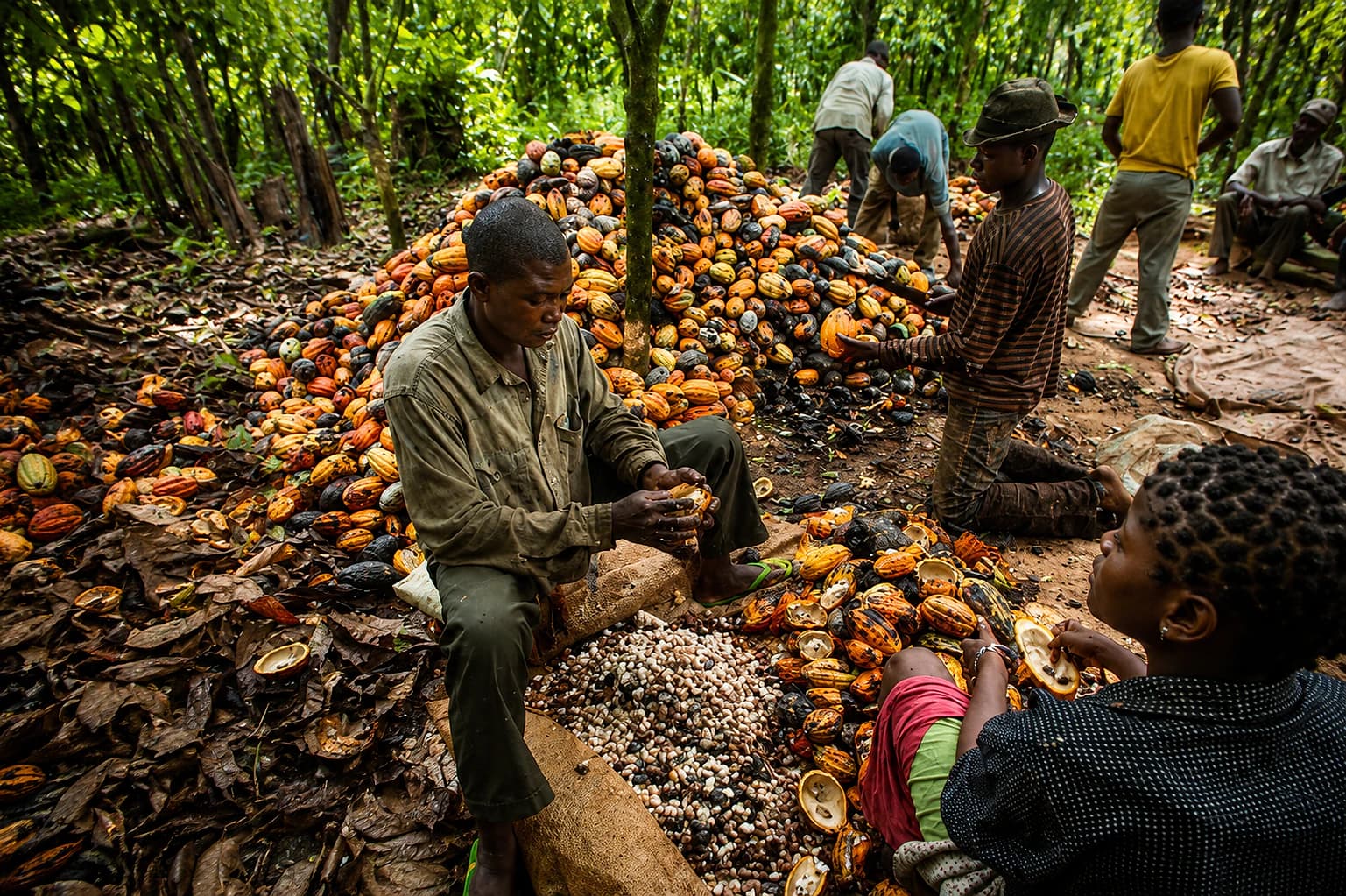
Liberia's smaller commodities diverged in March 2026: palm-oil export earnings rose to US$6.6 million, diamond output more than doubled, and cocoa production fell 62%. The mixed quarter highlights both the promise and the fragility of efforts to diversify beyond gold and iron ore.
Agriculture and fisheries output reached US$1.40 billion in 2025, up just 1.3% in value, even as the sector remains the country's largest source of livelihoods. The gap between agriculture's employment and its growth is a defining feature of Liberia's uneven expansion.
Manufacturing output rose to US$331 million in 2025, up about 9%, with cement and beverage production posting strong gains. Small as a share of GDP, the sector's growth points to expanding domestic industry that could ease reliance on imports.
TrueRate · Jul 4, 2026
TrueRate · Jul 4, 2026
TrueRate · May 30, 2026
TrueRate · May 22, 2026
TrueRate Economics · Analysis · Jun 6, 2026
TrueRate Economics · Analysis · Jun 4, 2026
TrueRate Economics · Analysis · May 27, 2026
© 2026 TrueRate. All rights reserved.