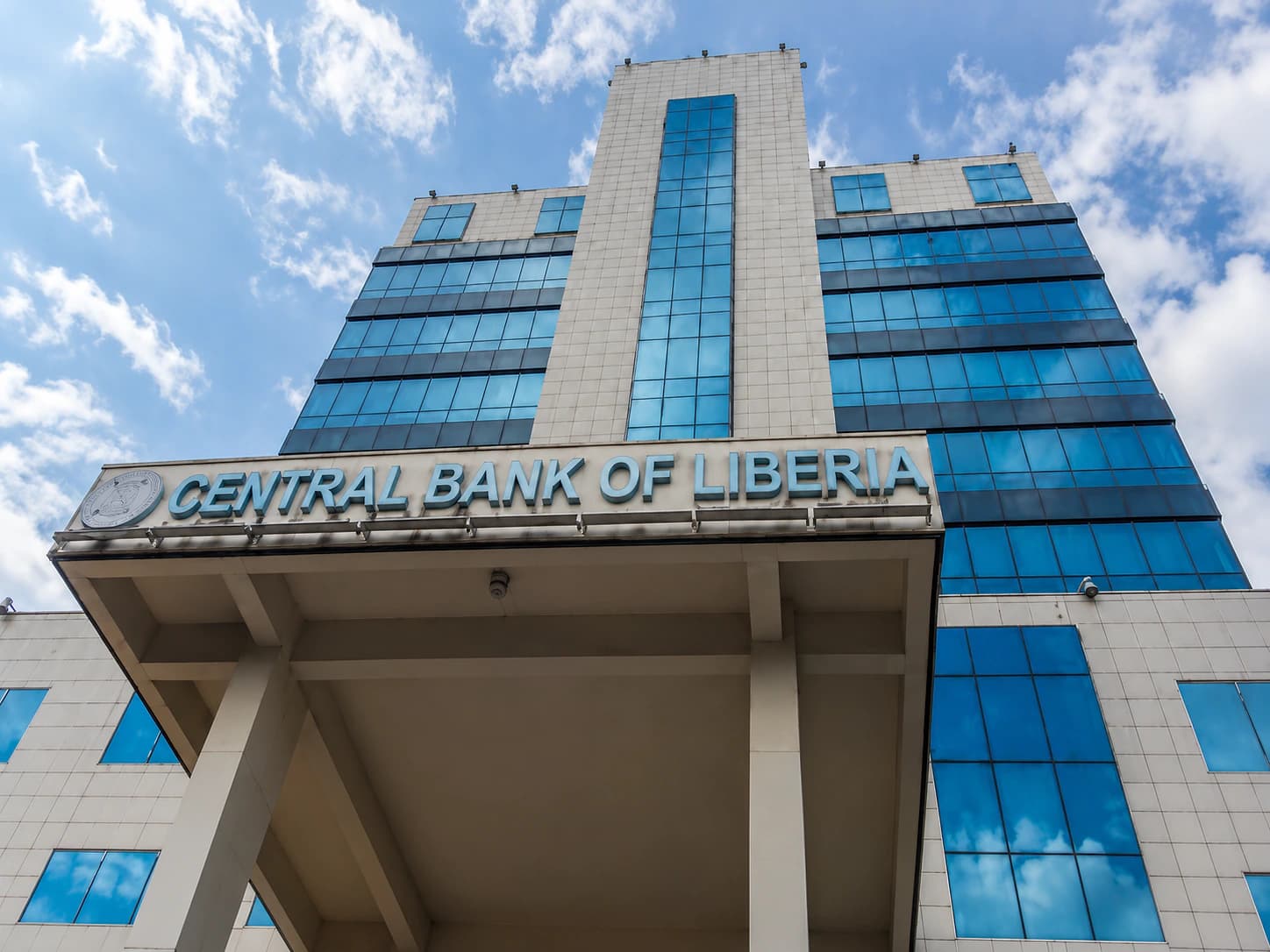
Liberia's government spending moves in fits and starts. Total expenditure swung from US$192.7 million in December 2025 to just US$33.1 million in January 2026 before recovering to US$136.6 million in March, according to the Central Bank of Liberia (CBL) and Ministry of Finance data.
The pattern of sharp month-to-month swings, and a heavy bunching of outlays at the end of the year, is a recurring feature of Liberian public finance. December alone saw spending several times the level of a typical month, as the government cleared obligations before the budget year closed.
Most of what the state spends is recurrent: salaries, goods, services and debt charges that keep the government running, as opposed to capital investment in roads and buildings. Recurrent spending reached US$152.1 million in December and dominates the budget in most months, leaving capital spending as the residual that gets squeezed when money is tight.
The volatility has real costs. When spending lurches, ministries and contractors cannot plan, payments to suppliers are delayed, and public services run unevenly through the year. A budget executed in bursts rather than a steady flow is harder to monitor and easier to divert.
Behind the swings is a cash-constrained treasury that spends largely as revenue arrives. With domestic revenue itself lumpy and grant inflows recorded as nil in the monthly data through early 2026, the government often holds back outlays until receipts allow, then releases them in concentrated bursts.
Smoothing the pattern would require a more predictable revenue stream, a functioning treasury single account and cash-management system, and the discipline to execute the budget as planned rather than in a year-end rush. Liberia's budgets have long suffered a gap between what is appropriated and what is actually spent, and the monthly data show that gap playing out in real time.
Fixing the pattern is partly a plumbing problem. A fully functioning treasury single account, which pools government cash in one place, and a credible cash-management plan would let the state smooth outlays across the year rather than holding back and then releasing them in bursts. Liberia has worked toward both, but the monthly swings show the system is not yet delivering steady execution.
What to watch is whether spending becomes steadier through 2026, whether the December bunching repeats, and whether capital investment can be protected from the volatility that hits the rest of the budget.