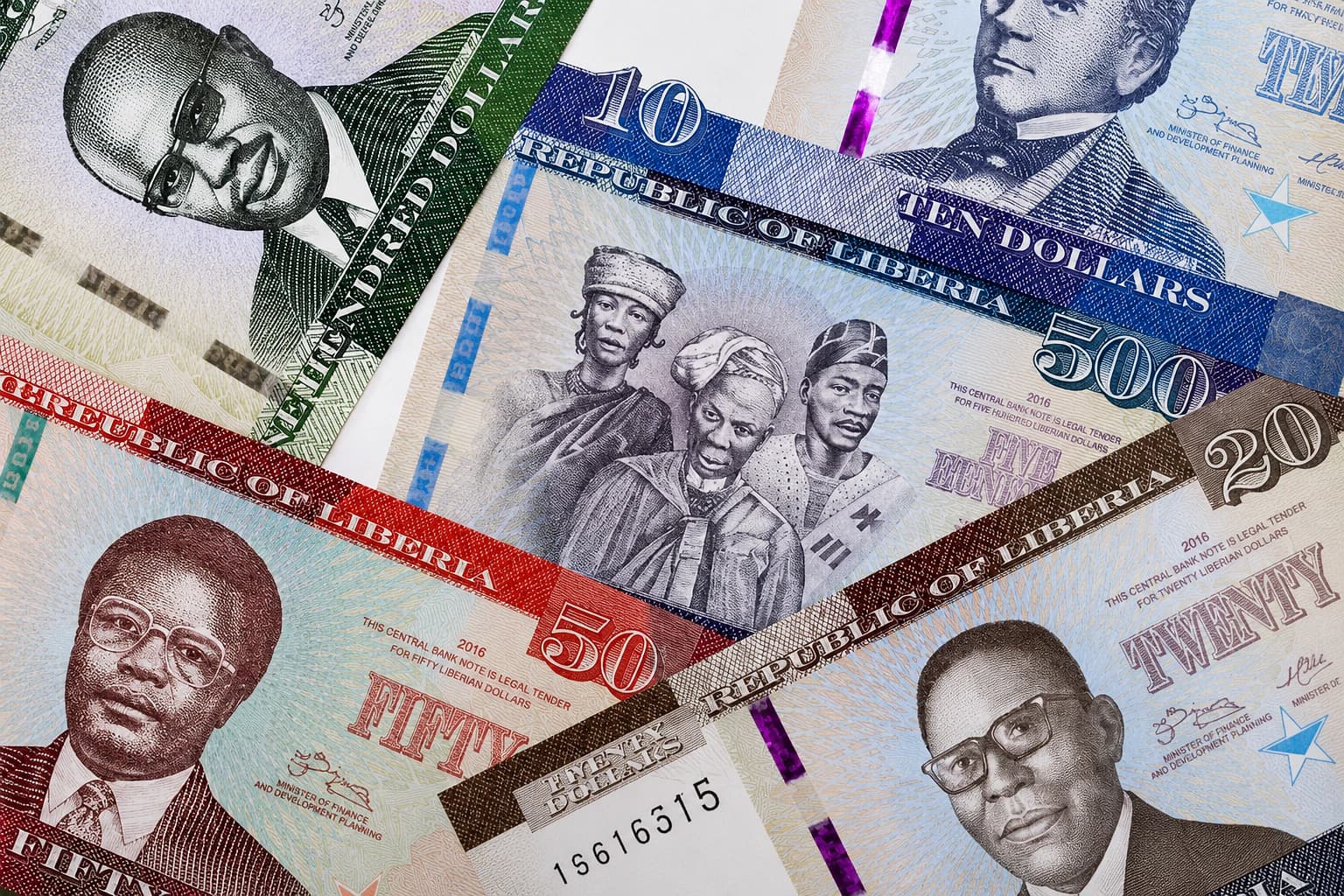
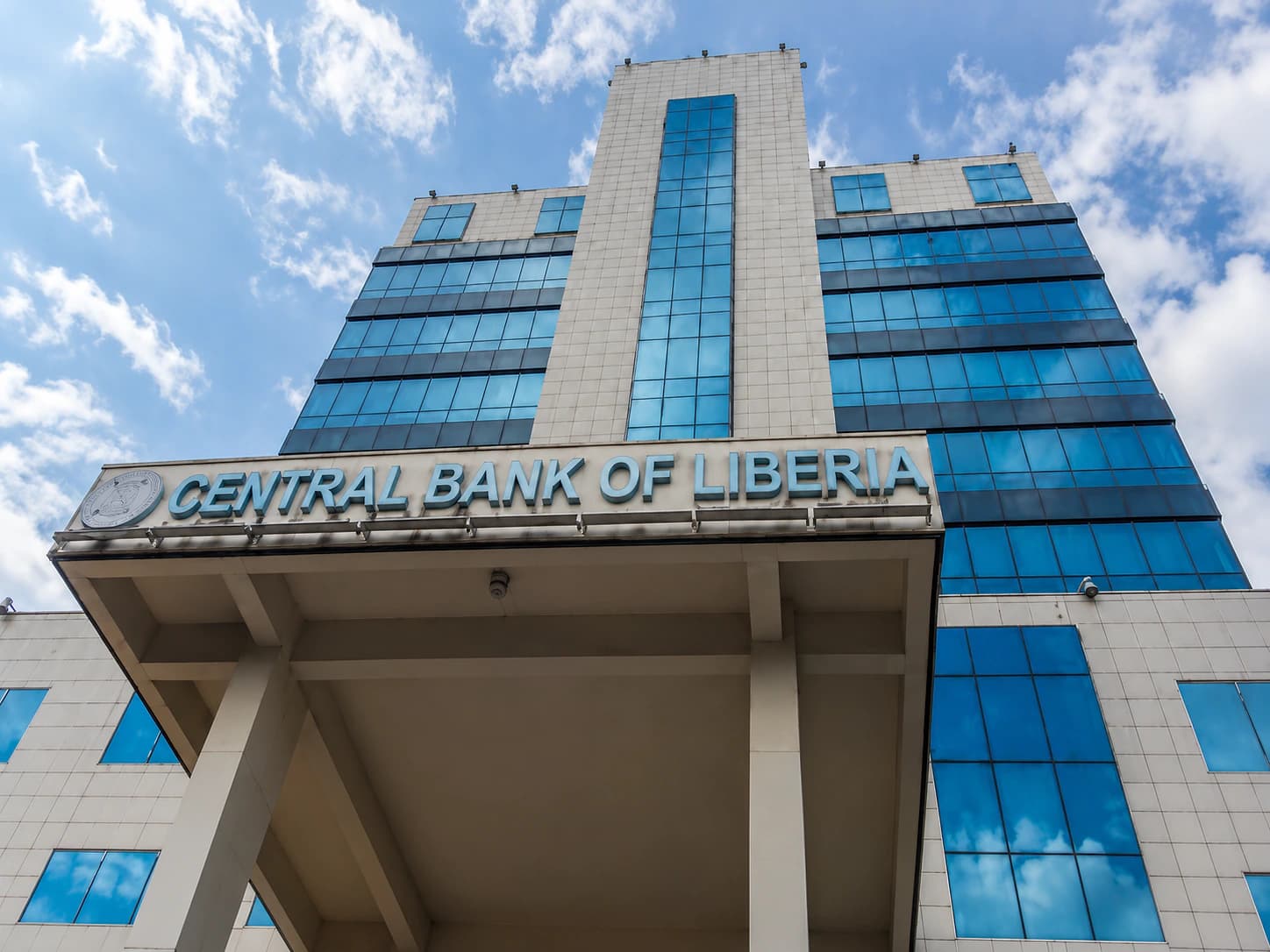
Liberia's broad money supply rose to L$299.4 billion in March 2026, up 10.66 percent from a year earlier, even as the Central Bank of Liberia (CBL) kept its monetary policy rate unchanged at 16.25 percent, according to CBL data.
The figures describe an economy with steadily expanding liquidity. Broad money — cash and deposits held by the public — grew 3.6 percent in March alone, reaching L$299.4 billion (about US$1.6 billion at the prevailing exchange rate) from L$270.5 billion a year earlier.
The narrower aggregates the CBL controls most directly grew faster still. Reserve money, or the monetary base, expanded 31.2 percent over the year to L$93.2 billion, and currency in circulation rose 20.5 percent to L$41.2 billion — rates of growth that sit well above the pace of inflation and economic activity, and that bear watching for their potential to feed future price pressure.
The CBL has held its policy rate at 16.25 percent since October 2025, after cutting it by one percentage point from 17.25 percent earlier in the year. The rate is the bank's principal signal on inflation, which eased to 4.50 percent in March, though the core measure remains near 6 percent.
Commercial borrowing costs have not followed the policy rate down. The average Liberian-dollar lending rate rose to 13.11 percent in February 2026 from 12.3 percent a year earlier — meaning credit became modestly more expensive for businesses and households despite the CBL's earlier cut, a sign that the policy rate's influence on the wider economy remains limited.
That weak transmission is a structural feature. With a large share of money held as cash outside the banking system and formal credit reaching only a fraction of businesses, changes in the policy rate move slowly, if at all, through to the rates ordinary borrowers actually face.
The balance the CBL is striking is a delicate one: supporting growth and a stable exchange rate while keeping inflation contained. Rapid reserve-money growth complicates that task, even as easing headline inflation creates room to eventually loosen.
What to watch is whether the CBL begins to ease as inflation falls, whether reserve-money growth slows, and whether commercial lending rates finally respond to the bank's steady stance.