Liberia's construction sector grew to US$270.5 million in 2025, up about 8.9% from US$248.4 million a year earlier and nearly double its US$142.4 million level in 2020, according to the Liberia Institute of Statistics and Geo-Information Services (LISGIS) via the Central Bank of Liberia.
The expansion has been steady and substantial — construction output has risen about 90.0% since the pandemic-era low — and it is corroborated by production data: cement output hit a record of roughly 89,000 metric tons in March 2026, up about 52.5% on the year and rising for several consecutive months.
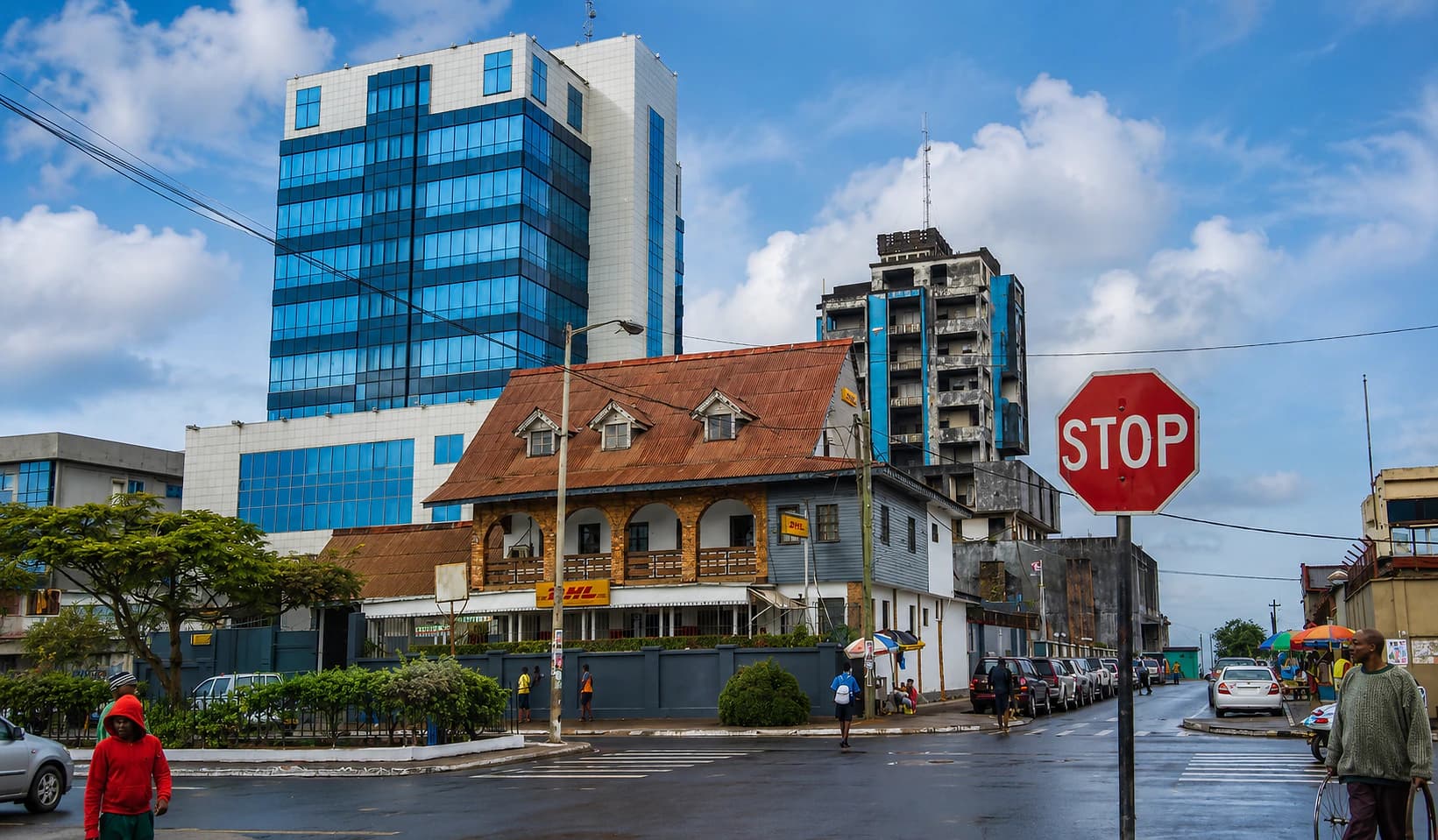
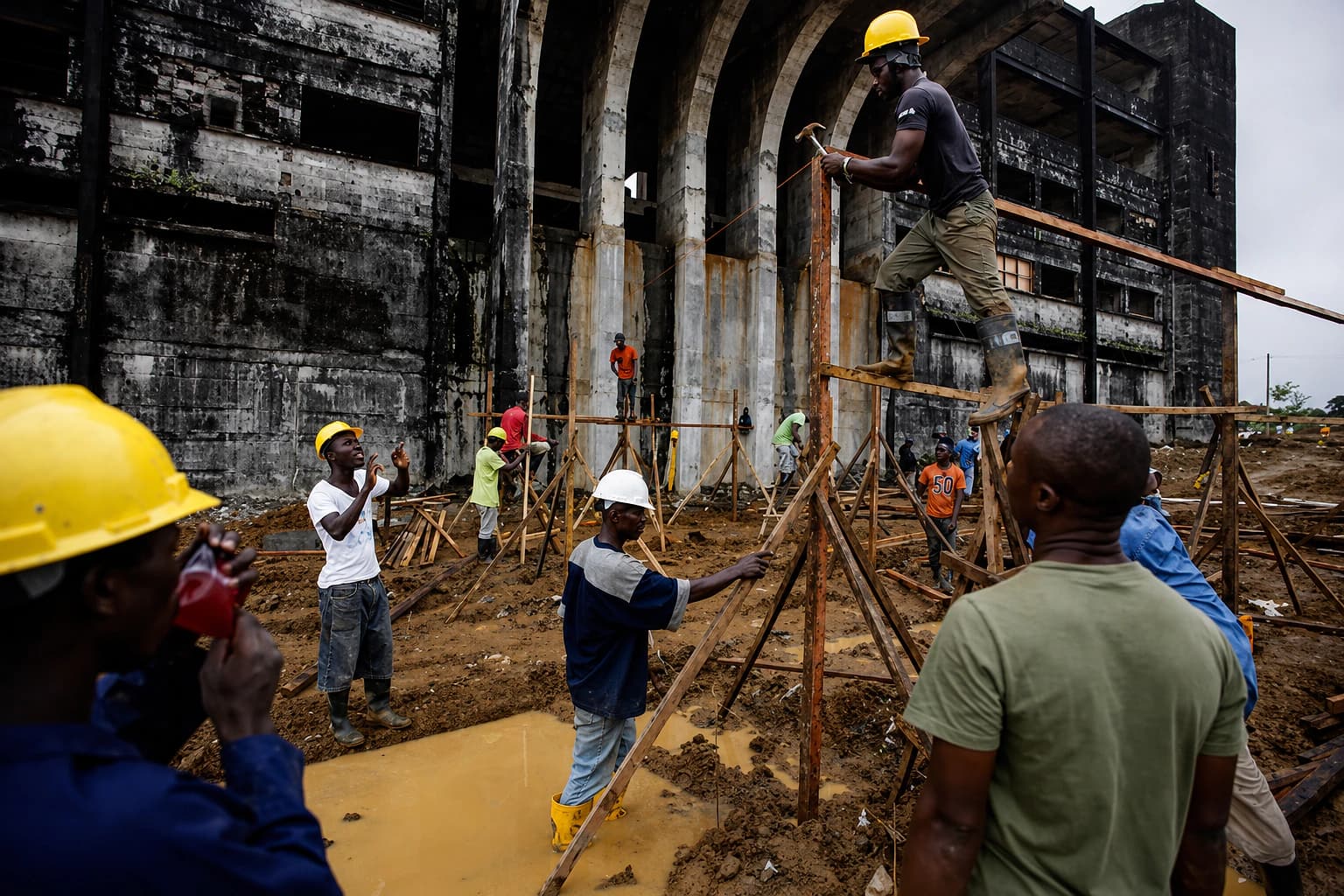
Construction is among the most visible signs of domestic investment, and one of the more job-rich. Building roads, housing, commercial premises and public infrastructure employs labor directly and pulls in local materials, spreading activity more widely than the capital-intensive mining sector that dominates Liberia's export earnings.
Rising cement output is a particularly useful signal because it tracks building activity closely and is produced domestically, substituting for imports. A sustained climb in cement and construction points to underlying demand from housing, commercial development and infrastructure work.
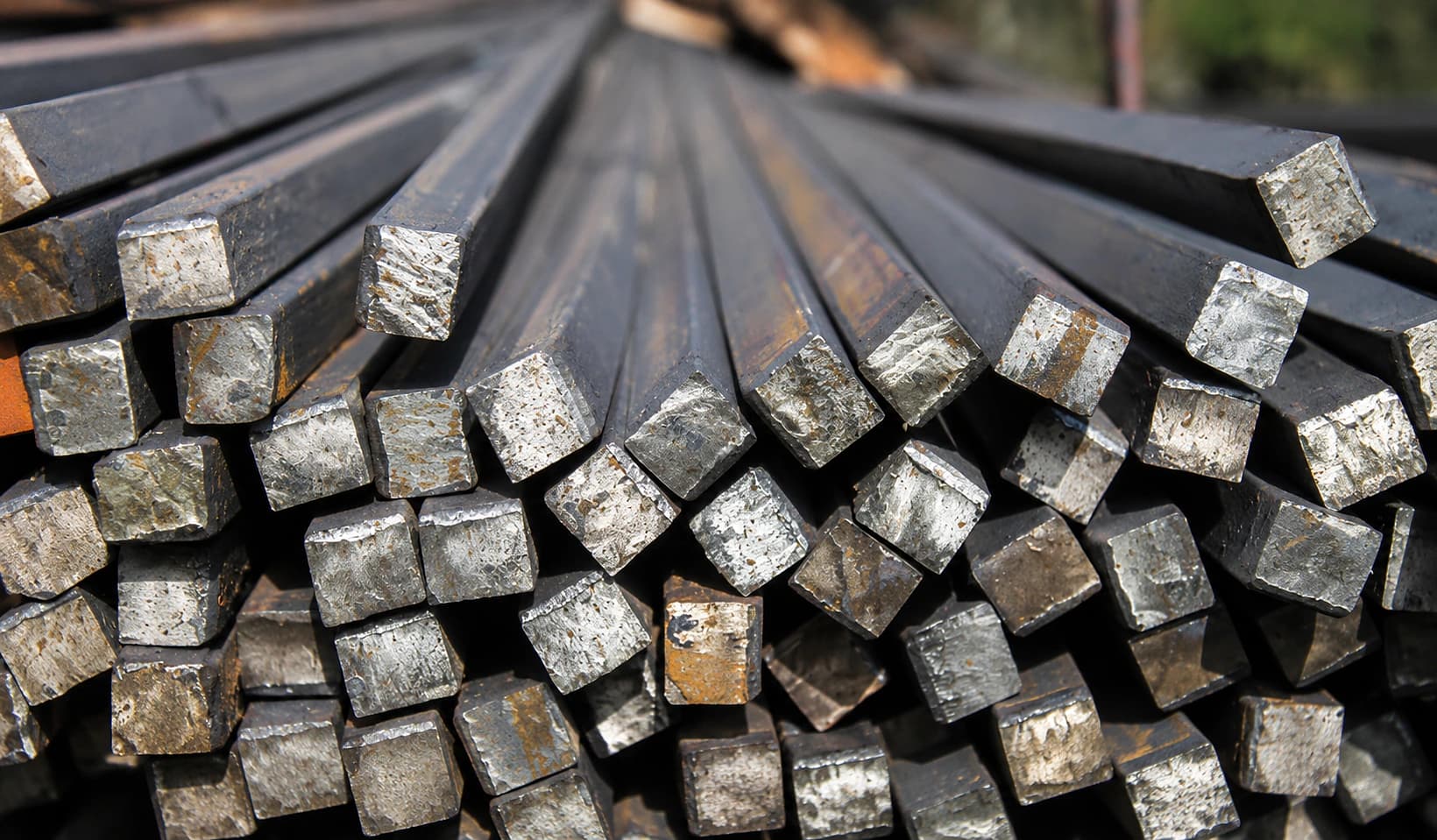
The sector still faces familiar constraints. The high cost and unreliability of electricity raises the cost of building and of producing materials, finance for developers is scarce and expensive at double-digit interest rates, and much construction depends on imported inputs beyond cement, from steel reinforcement to fittings.
Construction also depends heavily on public capital spending, which has been volatile and frequently squeezed in the national budget. A more stable flow of public investment would give the sector a steadier base, while private and donor-funded projects drive much of the current activity.
Public capital spending is the swing factor. When the government's investment budget is squeezed to near zero, as it was in early 2026, private and donor-funded projects carry the sector; a steadier flow of public investment in roads and buildings would give construction a firmer floor and amplify the private momentum already visible in cement and steel.
What to watch is whether building momentum holds through 2026, whether cement and steel output keep rising, and whether public capital spending can support the sector rather than swing with the budget.