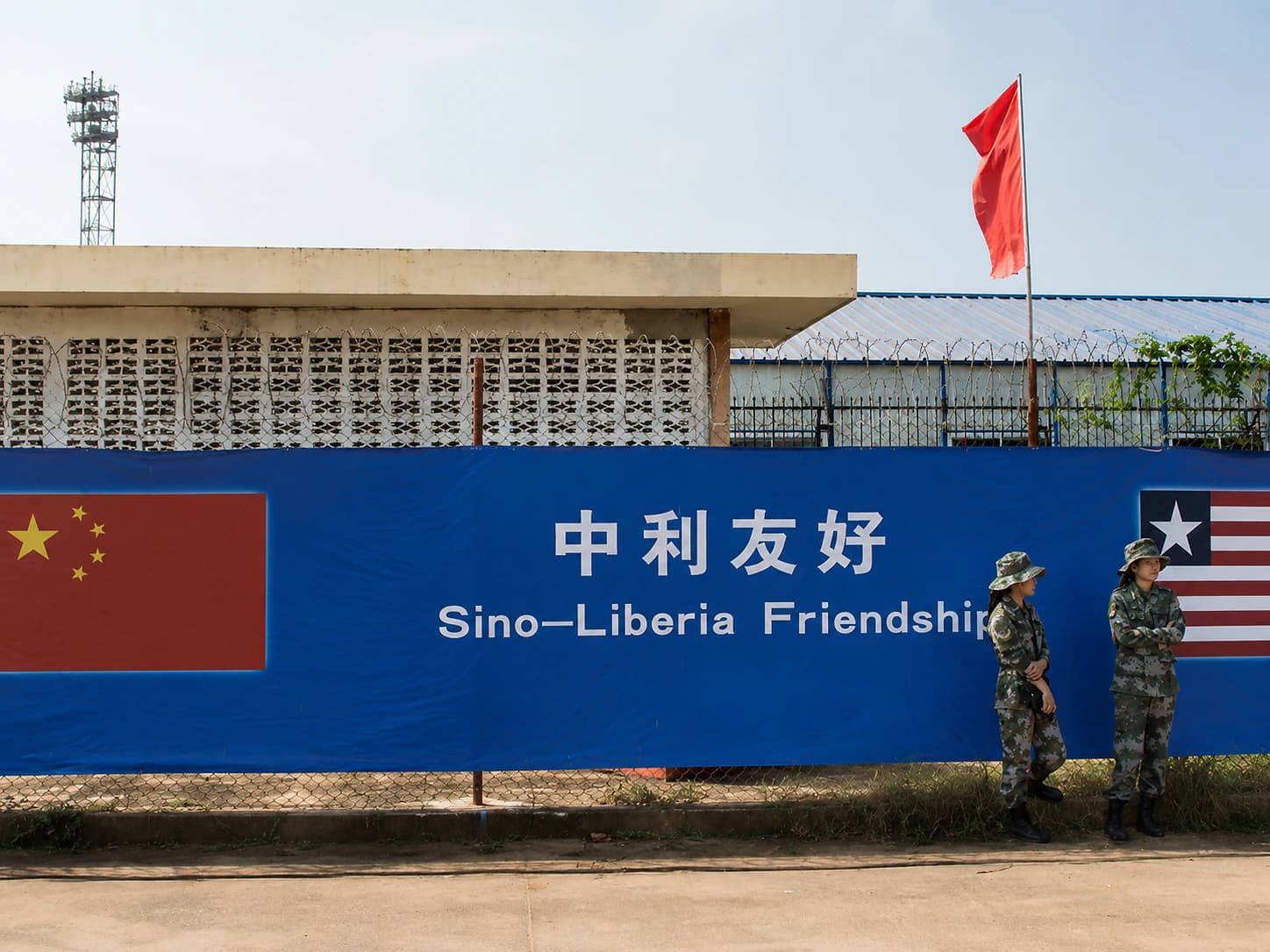
Liberia's merchandise exports to China reached US$134.19 million in 2025, up from US$0.61 million in 2024, according to Central Bank of Liberia data. The figure is not a misprint: exports to what is nominally the world's largest commodity buyer had collapsed to effectively zero over the prior two years — US$0.61 million in 2024 and US$0.24 million in 2023 — before snapping back to levels not seen since 2014.
The history explains the scale of the swing. China was a major buyer of Liberian iron ore in the early 2010s, purchasing US$146.26 million worth in 2014 — the peak year. When global iron-ore prices crashed and Liberian production slowed, the trade channel shut down almost entirely. Exports to China fell to US$10.56 million in 2016, then to US$0.35 million in 2017, and hovered near zero through 2023. The 2025 recovery, at US$134.19 million, brings the relationship back to within striking distance of its historical peak.
The surge coincides with the ramp-up in Liberian iron-ore production, which reached 2,329,000 metric tons in March 2026 — more than five times the 435,000 tons produced a year earlier. China's steelmaking industry remains the world's largest consumer of iron ore, and the resumption of shipments from Liberian concessions to Chinese buyers is the most plausible explanation for the trade reversal. Gold, Liberia's other major export mineral, is overwhelmingly routed to Swiss refineries, not to China.
China now accounts for 6.5 percent of Liberia's total exports of US$2,068.21 million in 2025. That is still dwarfed by Europe and Oceania, which took US$1,688.1 million or 81.6 percent of all exports. But within Asia and the Middle East — where total exports reached US$218.74 million, up 302 percent from US$54.35 million in 2024 — China represents 61.3 percent of the regional total. India, by comparison, bought just US$2.61 million.
The trade is almost entirely one-directional in value terms. China's imports into Liberia were US$471.24 million in 2025, up 76.6 percent from US$266.89 million in 2024. That makes China the single largest source of Liberian imports — supplying construction materials, consumer electronics, machinery, vehicles and textiles — and the trade balance between the two countries runs heavily in China's favor. Liberia exported US$134.19 million to China but imported US$471.24 million, a bilateral deficit of roughly US$337 million.
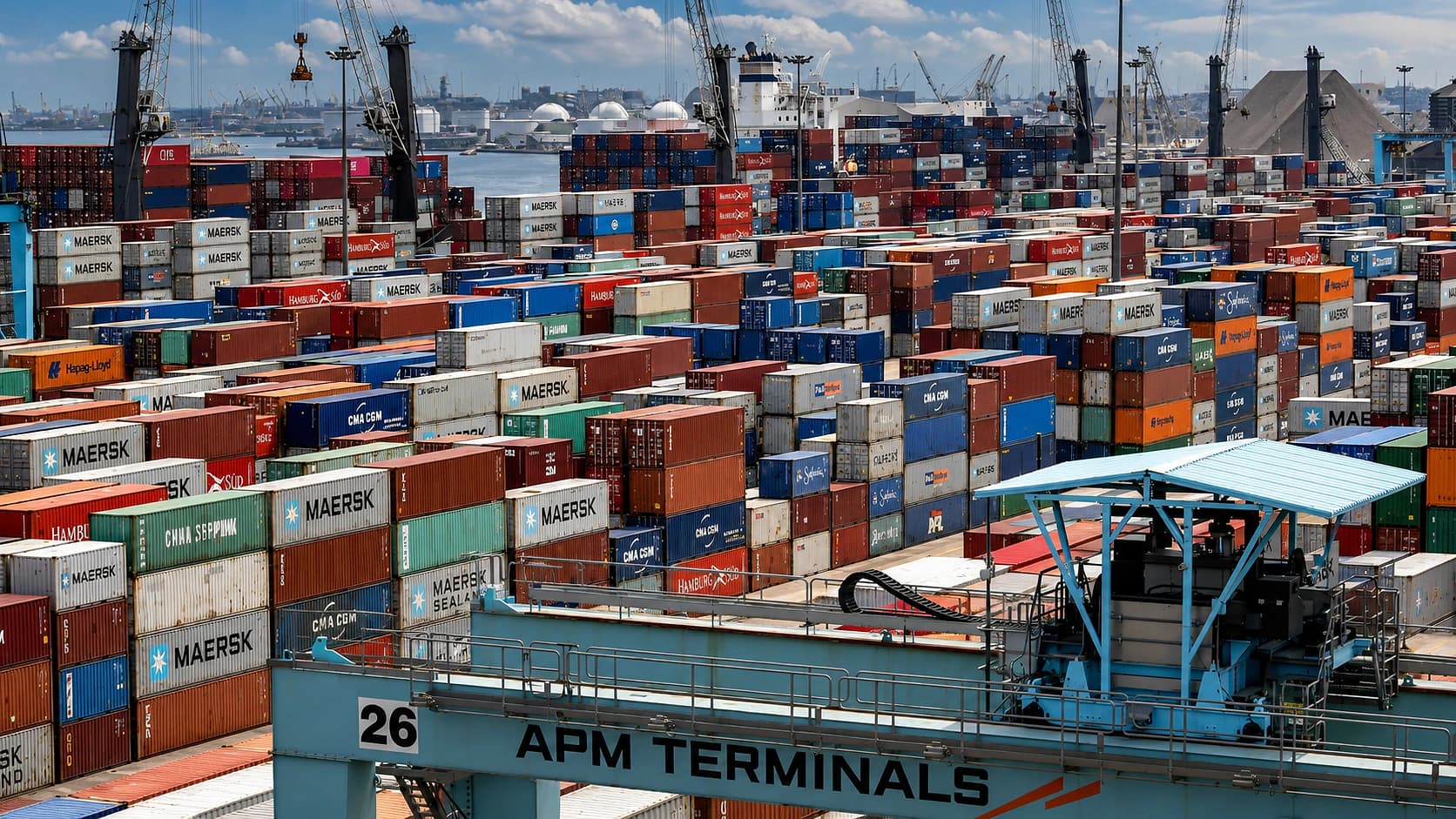
For Liberian businesses, the reopening of the China export channel carries two implications. The first is logistical: iron-ore shipments to China require port capacity, rail access, bulk-carrier scheduling and customs processing that support service businesses along the corridor — clearing agents, stevedores, transport operators and catering firms. The second is strategic: adding a major Asian buyer alongside the European corridor diversifies Liberia's export exposure, even if only modestly.
The risk is that the trade channel is as fragile as its history suggests. Chinese demand for iron ore is cyclical and policy-sensitive — subject to infrastructure stimulus in good years and steel-capacity cuts in bad ones. The 2013–2016 collapse in Liberian exports to China happened not because Liberian ore became uncompetitive, but because global prices fell below the threshold at which Liberian production was economical. A repeat of that cycle would shut the channel again, regardless of the quality of the bilateral relationship.
What to watch is whether the 2025 figure represents a one-year catch-up — a clearing of backlogs as production scaled up — or the start of a sustained trade relationship that grows with Liberian output. If iron-ore production stabilizes near the current run rate of over two million tons per month, the arithmetic supports annual exports to China well above US$100 million for as long as prices hold.