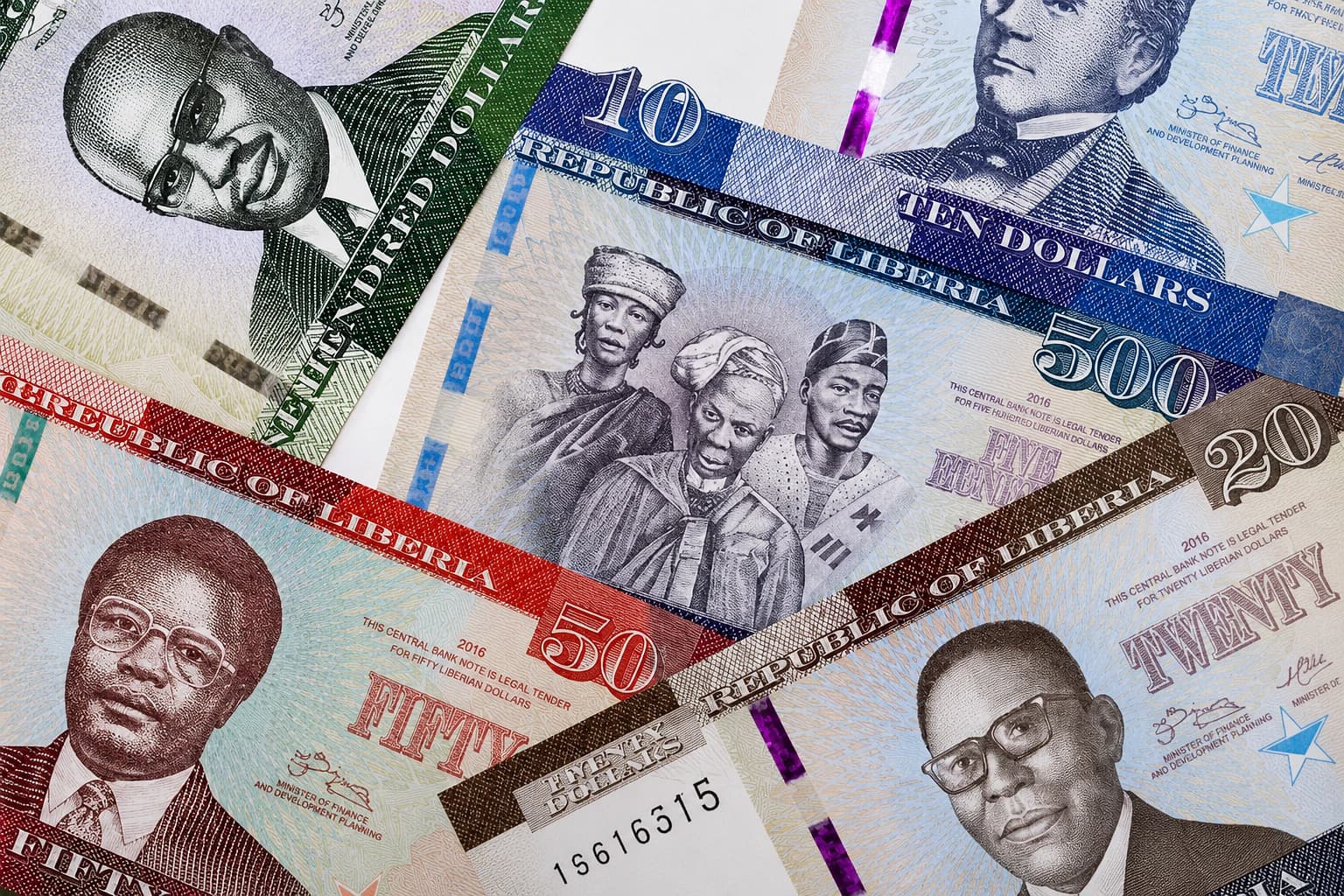
The average interest rate on Liberian-dollar loans stood at 13.11 percent per annum in February 2026, up from 12.25 percent a year earlier, according to Central Bank of Liberia (CBL) data. The rate on US-dollar loans was identical at 13.11 percent, up from 12.88 percent in the prior month.
For Liberian small businesses, the number is not abstract. A cookshop owner borrowing L$500,000 to expand into a second location faces annual interest charges above L$65,000 before repaying any principal. A construction subcontractor financing equipment at 13 percent will need to generate returns well above that just to break even after taxes and depreciation. At these rates, credit is a tool only for businesses confident of high and immediate returns — which excludes most of the economy.
The spread between what banks charge borrowers and what they pay depositors captures the problem in a single number. Liberian-dollar savings accounts paid 1.94 percent in February 2026, down from 2.14 percent six months earlier. That means banks earned 11.17 percentage points on the difference — a margin that reflects the high cost of operating in a market with limited credit infrastructure, weak collateral registries and elevated default risk, but that also limits the pool of businesses that can profitably borrow.
The CBL's monetary policy rate, the benchmark that is meant to anchor the cost of credit, has held at 16.25 percent since October 2025. That is down from 20 percent in mid-2024, but the commercial lending rate has not followed it down by the same margin. In February 2026, the average lending rate sat 3.14 percentage points below the policy rate — a sign that the transmission mechanism from central-bank policy to commercial pricing is working, but slowly.
Personal loans cost even more. The average Liberian-dollar personal loan rate was 16.16 percent in February 2026, and the LRD mortgage rate stood at 14.43 percent. For micro-entrepreneurs who borrow on personal terms because their businesses lack the formalization to qualify for commercial credit, the effective cost of capital is higher still.
Bank lending to the private sector reflects these constraints. Credit to the private sector grew just 1.1 percent year-on-year even as broad money expanded over 10 percent. Banks are accumulating deposits faster than they are deploying them into private-sector loans — a pattern consistent with risk aversion and a lack of bankable borrowers at current rates.
The structural roots are well understood. Liberia's banking sector serves a relatively narrow slice of the economy. Most businesses operate informally, without audited financial statements or registered collateral. Land titling remains incomplete, limiting the use of property as security. The legal framework for recovering on defaulted loans is slow and uncertain, which raises the risk premium banks require.
For business owners, the practical implication is that formal bank credit is available but expensive, and for many enterprises it is priced above the returns their business can generate. The alternatives — borrowing from family, using susu clubs, or reinvesting profits — are cheaper but limit the scale of investment. Until lending rates fall meaningfully, or until new credit products bridge the gap, growth capital will remain the binding constraint for most Liberian businesses.