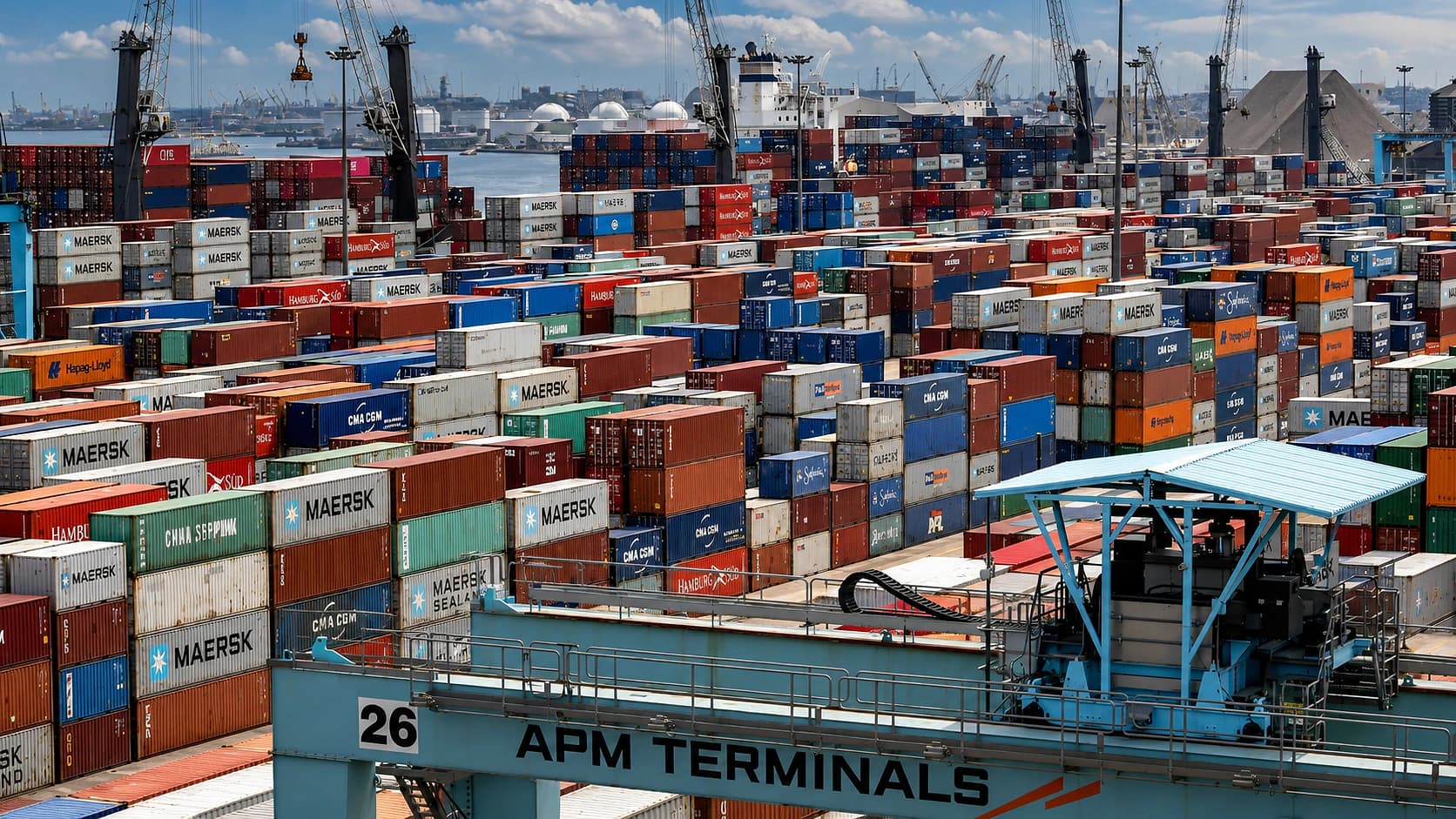
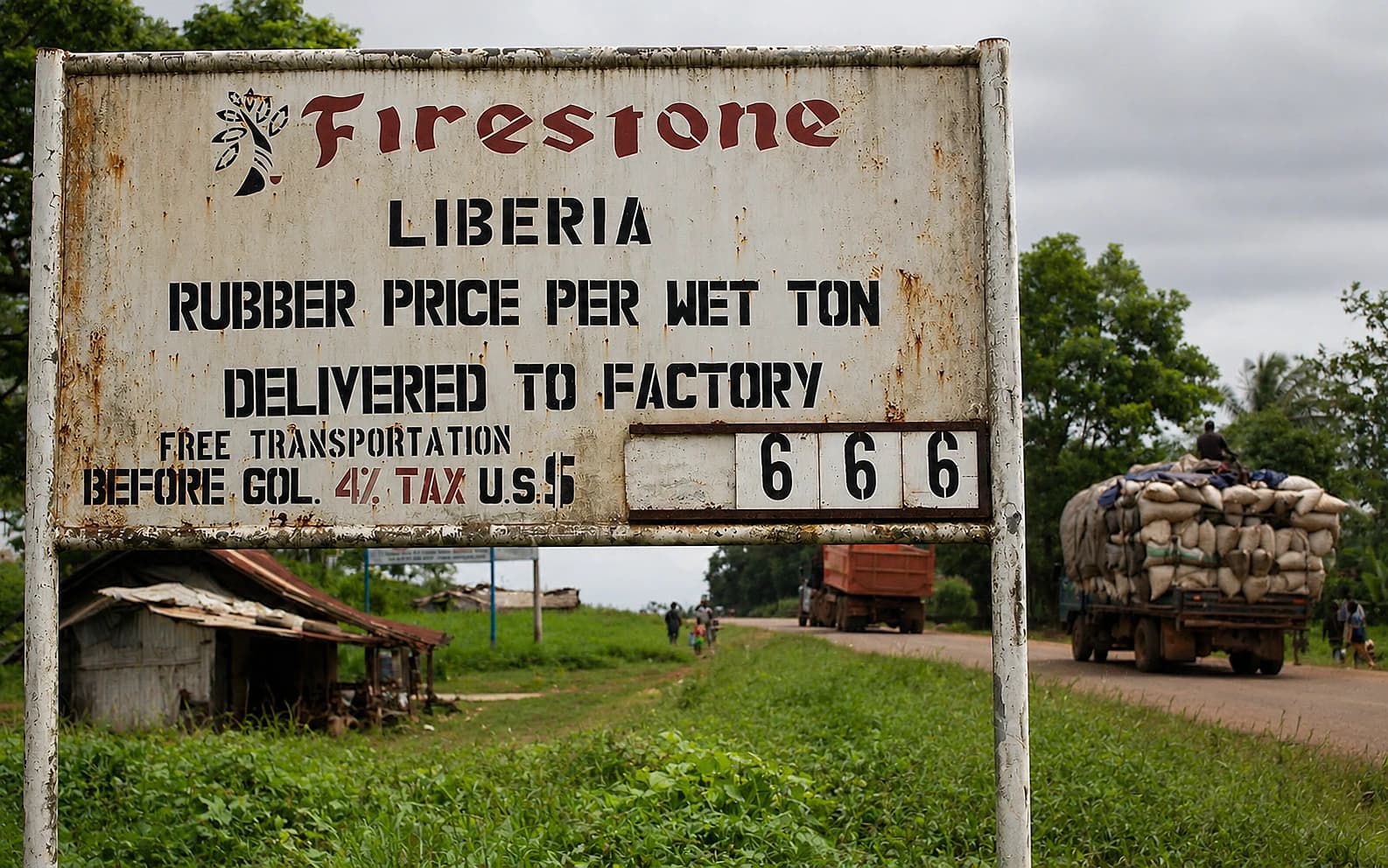
Rubber production fell 46.74 percent in March 2026 to 3,476 metric tons, down from 6,527 metric tons in February, according to the Liberia Institute of Statistics and Geo-Information Services (LISGIS). Export revenue tracked the decline almost exactly: rubber exports fell 49.28 percent to US$7.05 million from US$13.90 million a month earlier, according to the Central Bank of Liberia (CBL).
The drop is not without seasonal precedent. Rubber output varies widely across the calendar — from a 24-month low of 1,871 metric tons in September 2025 to a peak of 14,214 metric tons in June 2025, according to LISGIS. Dry-season tapping conditions and global demand cycles produce sharp month-to-month swings.
But the year-on-year comparison strips out seasonality and tells a less forgiving story. March 2026 output of 3,476 metric tons is 29.75 percent below the same month a year earlier. Export value fell further still: US$7.05 million represents a 54.49 percent year-on-year decline, according to CBL data. Output is falling, and the price per ton appears to be falling with it.
For a smallholder farmer tapping trees on a few hectares and selling raw cup lump to a middleman, the economics are blunt: payment is by weight. When production drops — whether from weather, aging tree stock, or a shift toward food crops during planting season — income drops by roughly the same proportion. There is no hedge, no contract floor, and limited access to credit to bridge a lean month. The cost of borrowing — 13.11 percent on the average Liberian-dollar commercial loan in February 2026, according to the CBL — makes working-capital loans impractical for most small-scale agricultural producers. For a farmer seeking L$200,000 to cover household expenses during a lean tapping month, the annual interest alone exceeds L$26,000.
Large concession operators work under different constraints. Companies managing thousands of hectares have processing infrastructure, contractual relationships with international buyers, and planning horizons that smooth out a single weak month. The March decline registers as a line item in a quarterly report, not as a threat to the household budget.
Rubber's diminishing weight in the national export basket adds a longer-term dimension. In March 2026, rubber accounted for 2.68 percent of total monthly exports of US$263.28 million, according to CBL data. Gold, at US$175.13 million, made up 66.52 percent. A sector that once anchored the country's agrarian export economy now represents a sliver of its trade earnings.
For the smallholder families still tapping rubber across Margibi, Bong, Grand Bassa, and Nimba counties, the seasonal rebound will almost certainly come — output in June 2025 was more than four times the March 2026 level. The structural question is whether the long-term trend — falling output, falling export value, a shrinking share of national trade — makes the sector viable as a primary livelihood, or whether the families that depend on it are riding a slow decline that no single good season can reverse.