Liberia is making more of its own steel. Production reached 4,267 metric tons in March 2026, up 162.3% from 1,627 tons a year earlier, according to the Liberia Institute of Statistics and Geo-Information Services (LISGIS) via the Central Bank of Liberia, and output has held near that higher level for several months.
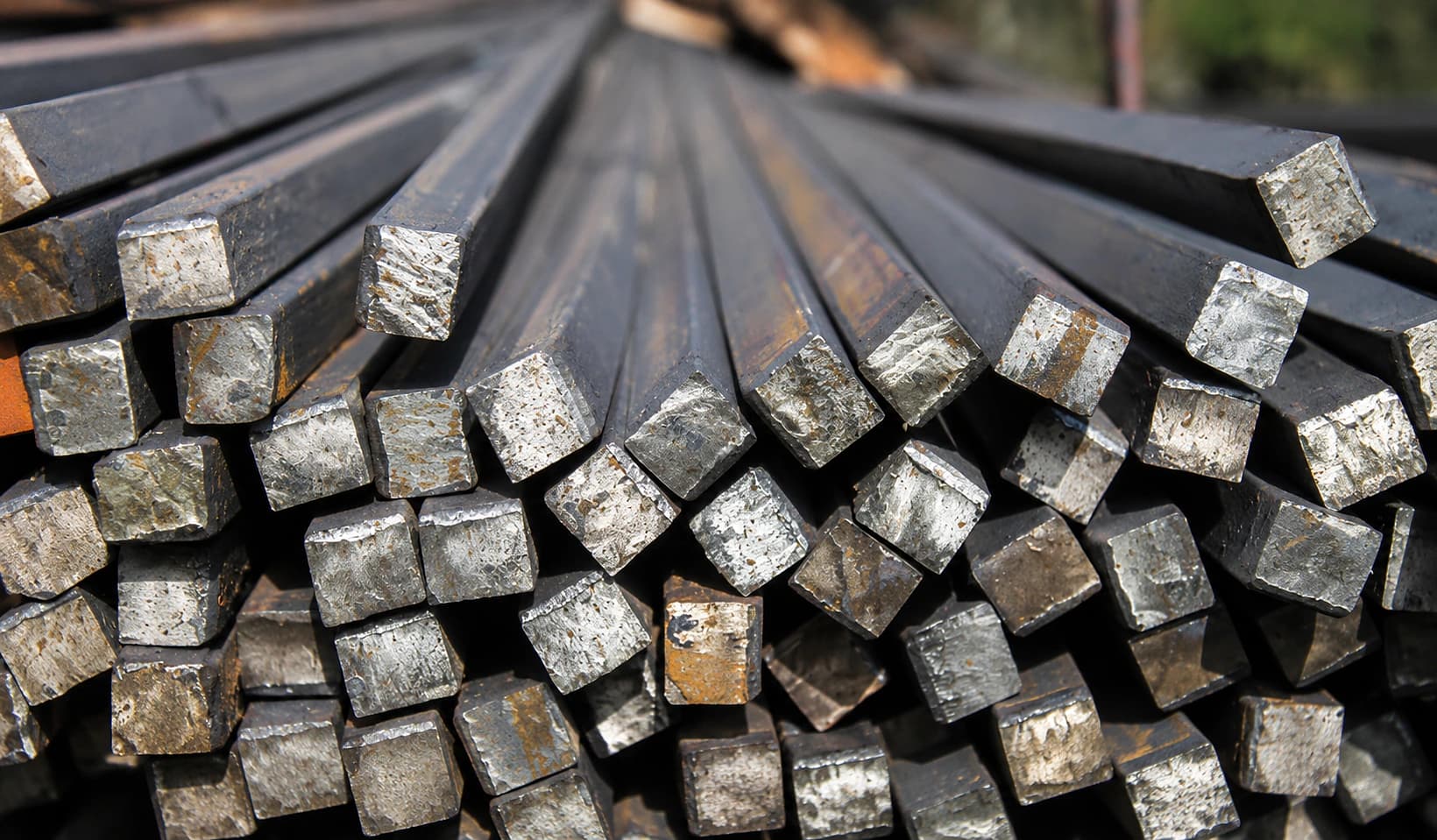
Steel here means the reinforcing bar and basic products that go into construction, produced by domestic mills largely from scrap and imported inputs. The scale-up tracks the broader building boom visible in record cement output and a growing construction sector.
Domestic steel production is a form of import substitution: every ton made in Liberia is a ton that does not have to be imported and paid for in foreign exchange. In an economy running a wide trade deficit and dependent on imports for most manufactured goods, that matters at the margin for the trade balance and for foreign-exchange demand.
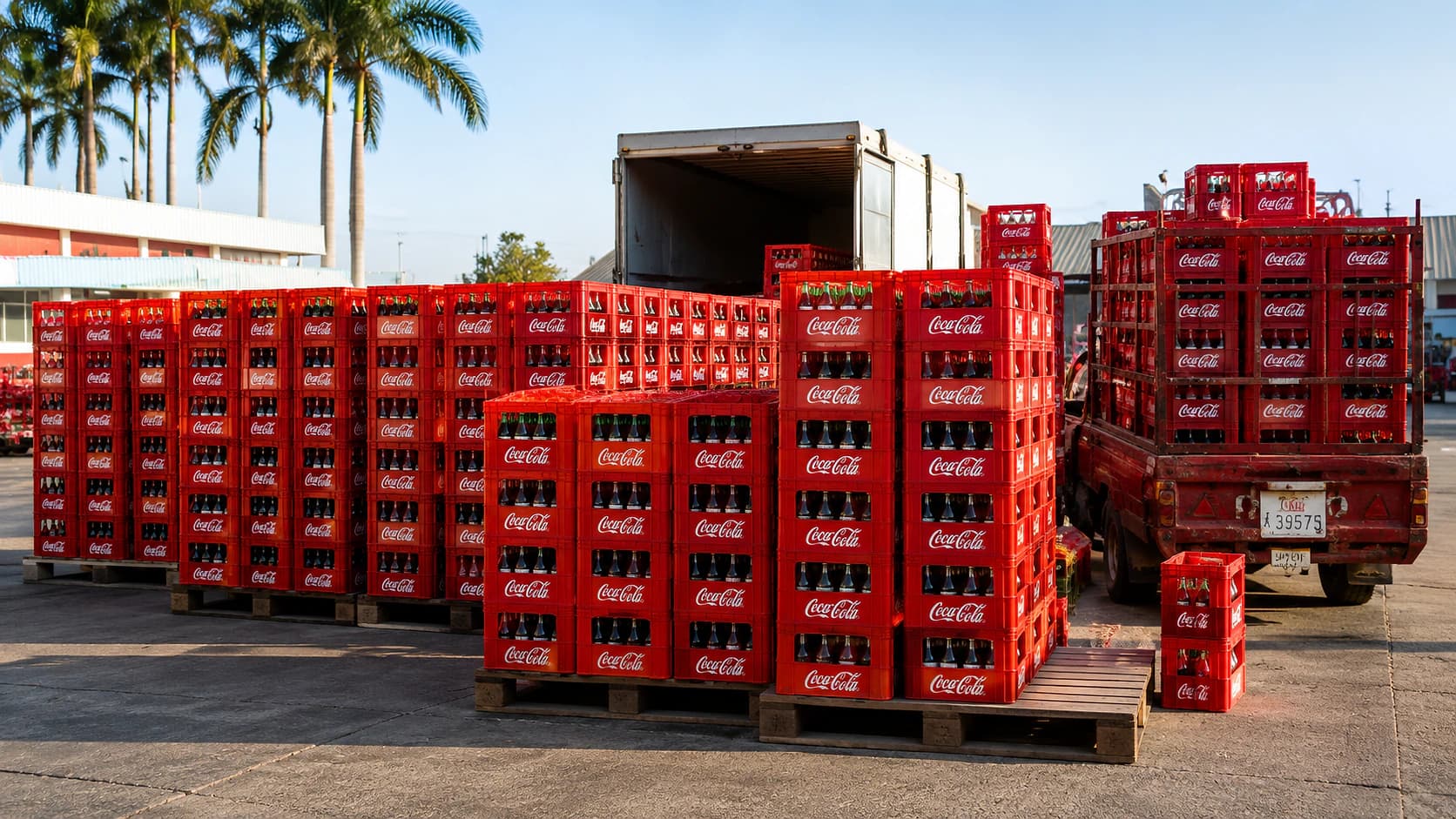
The growth also signals an industrial base broadening, however modestly, beyond raw-commodity extraction. Manufacturing remains a small share of Liberia's economy, but lines like steel, cement and beverages are where domestic industry is expanding, serving construction and consumer demand at home.
The constraints are the same ones that bind all Liberian manufacturing: the high cost and unreliability of electricity, which weighs heavily on energy-intensive steel-making; finance at double-digit rates; a small domestic market; and competition from imports. That output has more than doubled despite these barriers points to genuine demand from the construction sector.
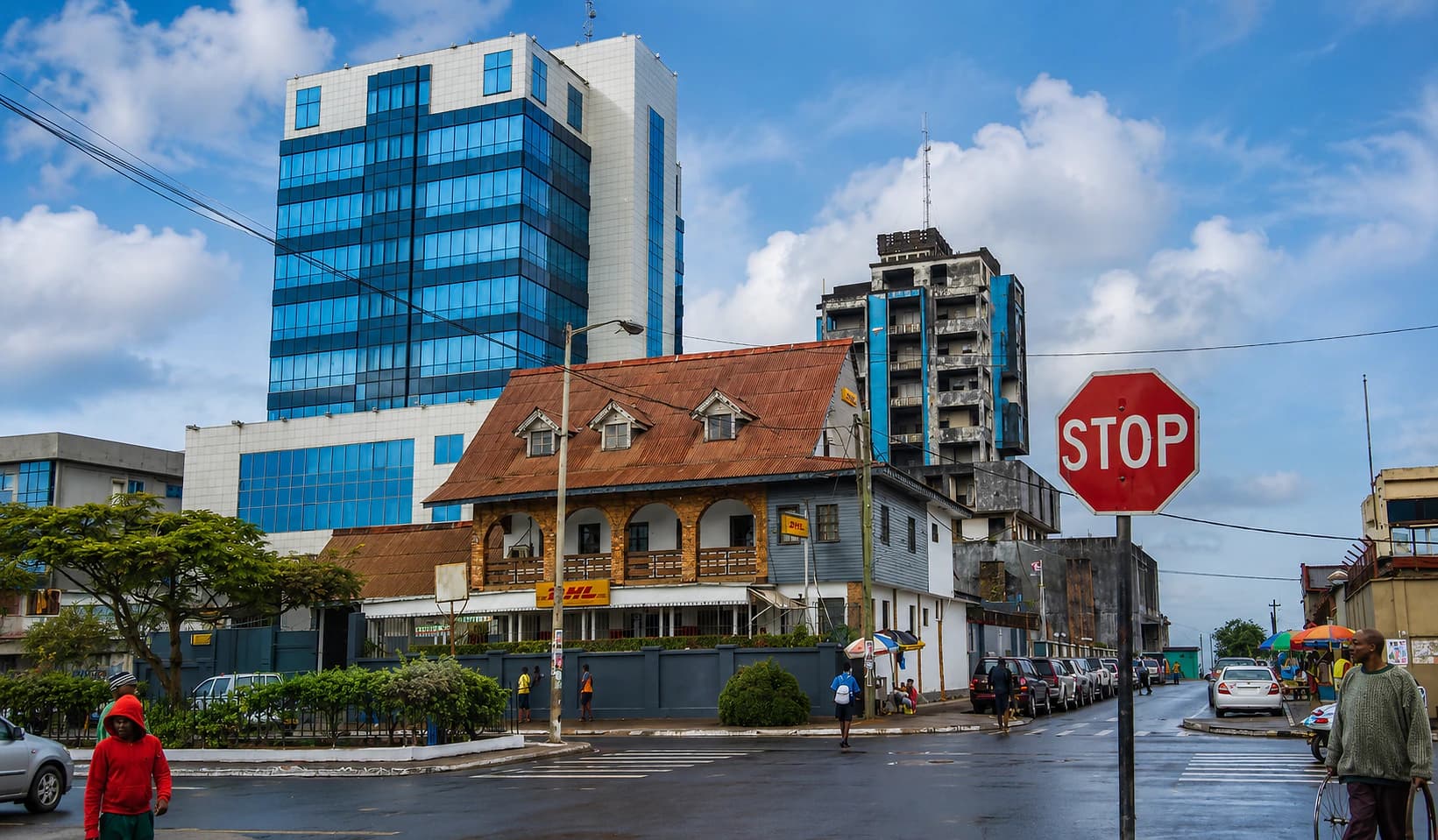
Steel and cement together are a useful read on building activity, and both rising in tandem reinforces the picture of an investment and construction upturn underway in 2025 and into 2026.
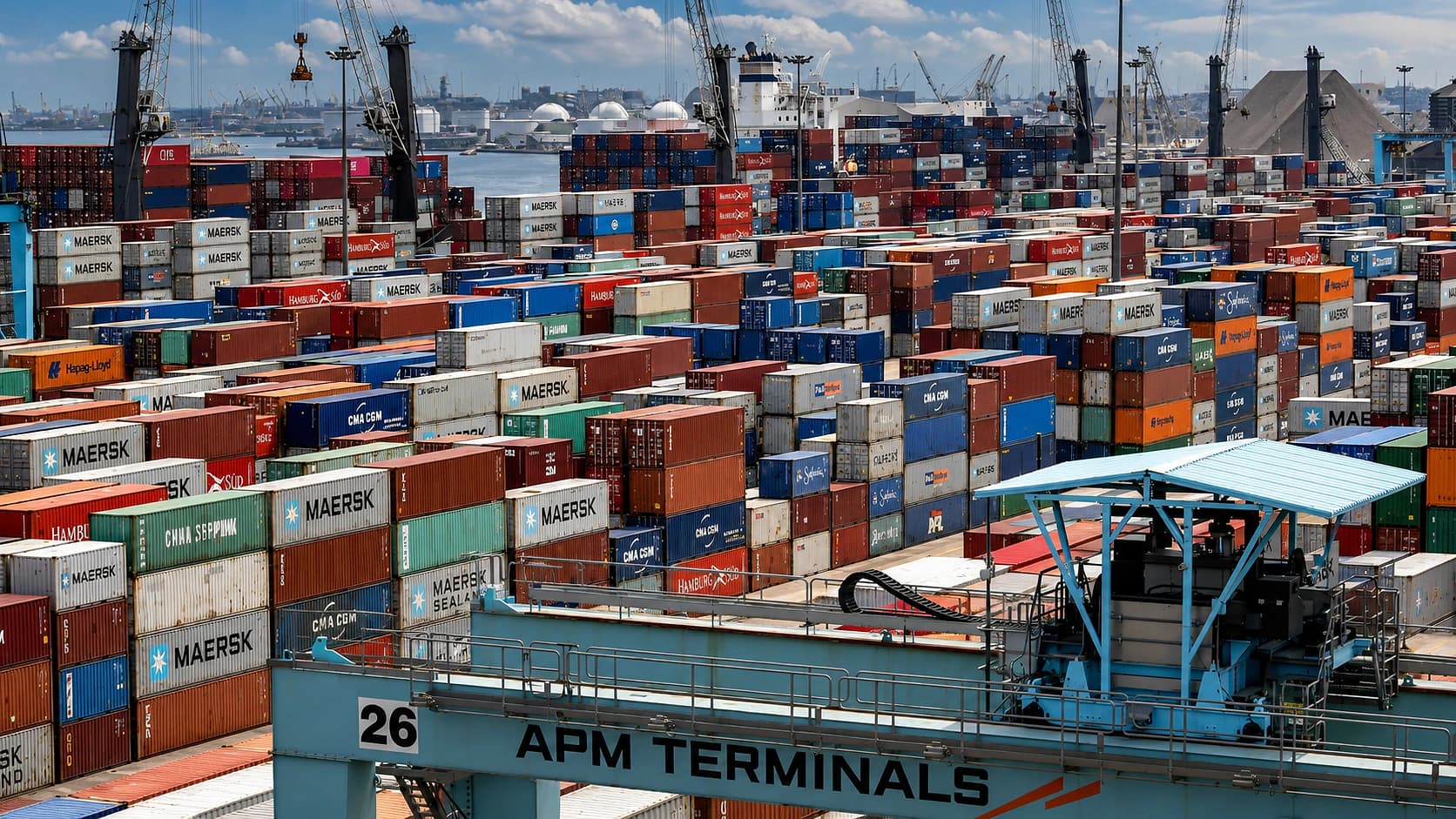
Liberia's mills work largely from scrap metal and imported semi-finished inputs, turning out the reinforcing bar and basic shapes that construction consumes. That keeps the value added at home modest, but it still substitutes for finished imports and shortens supply chains for builders who would otherwise wait on shipments through the port.
What to watch is whether steel output holds at the higher level, whether power costs ease the burden on producers, and how far domestic materials can substitute for imports as construction grows.