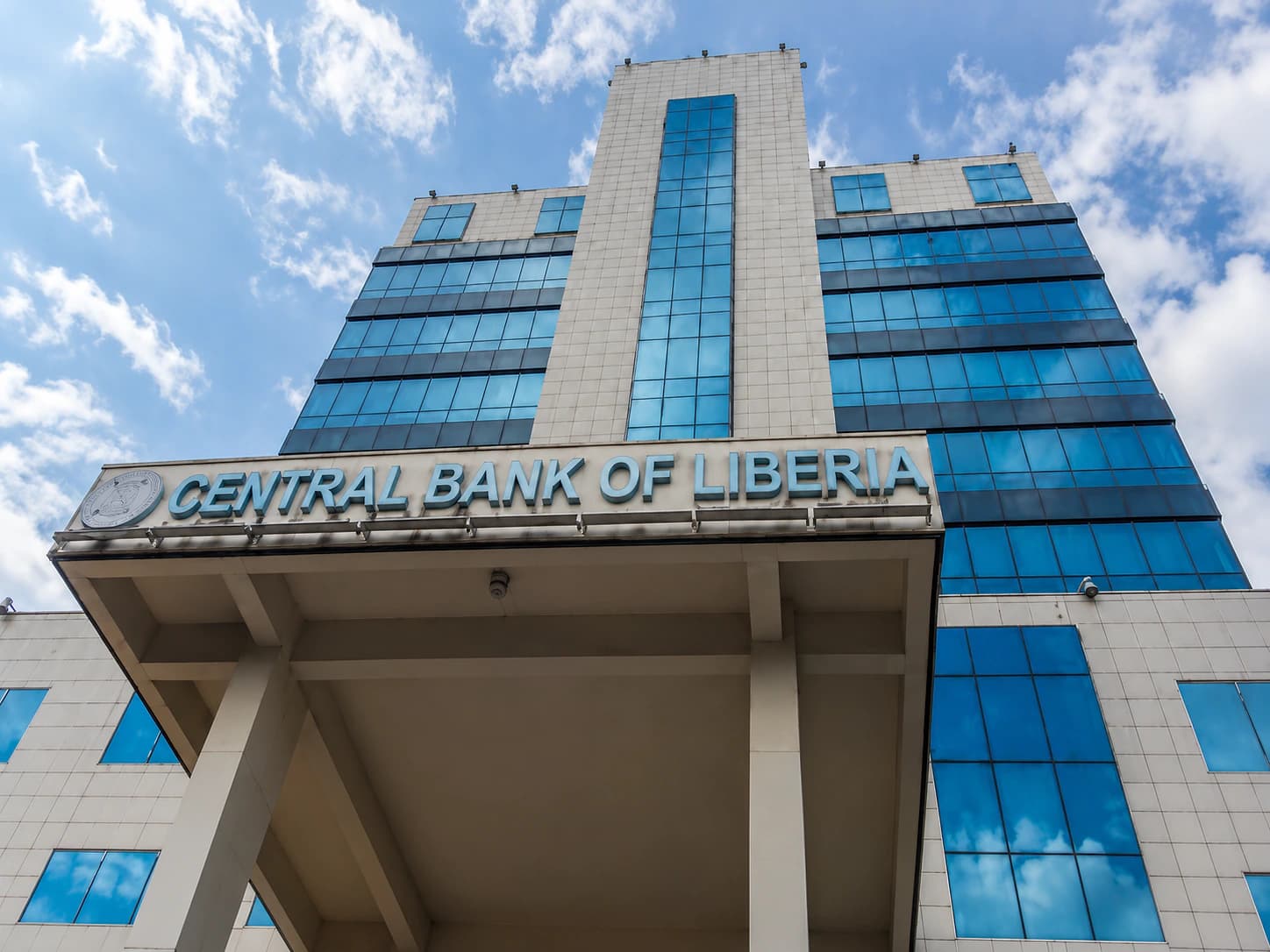
Liberia's budget is heavily tilted toward keeping the government running rather than building for the future. Capital expenditure fell to almost nothing in early 2026 — US$0.01 million in January and US$0.06 million in February — before a US$49.7 million outlay in March, according to the Central Bank of Liberia (CBL) and Ministry of Finance data.
Recurrent spending, by contrast, runs steadily into the tens of millions each month and reached US$152.1 million in December 2025. The contrast captures a structural feature of Liberian public finance: the state spends most of what it has on salaries, goods, services and debt, leaving capital investment as the first thing cut when cash is short.
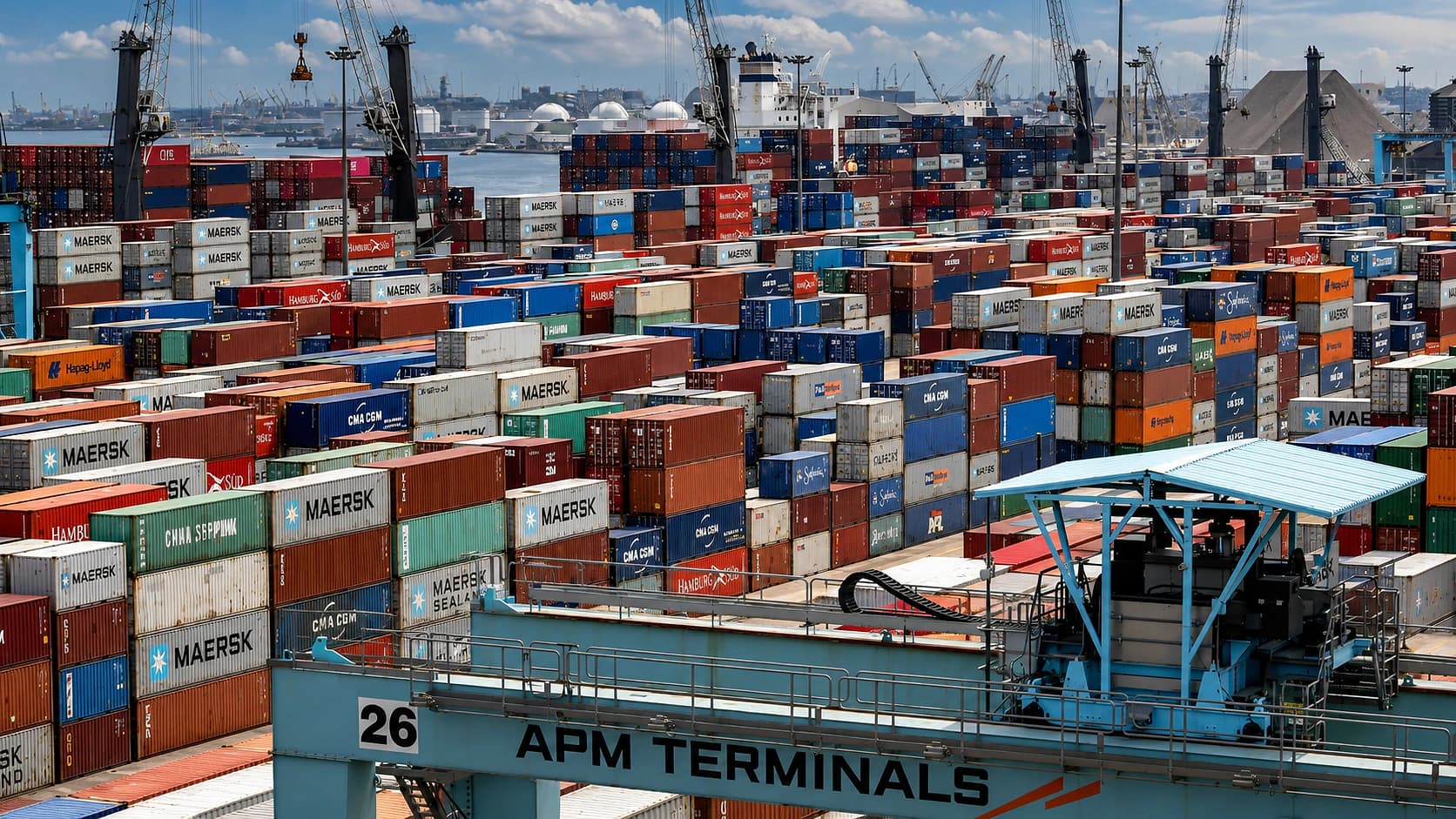
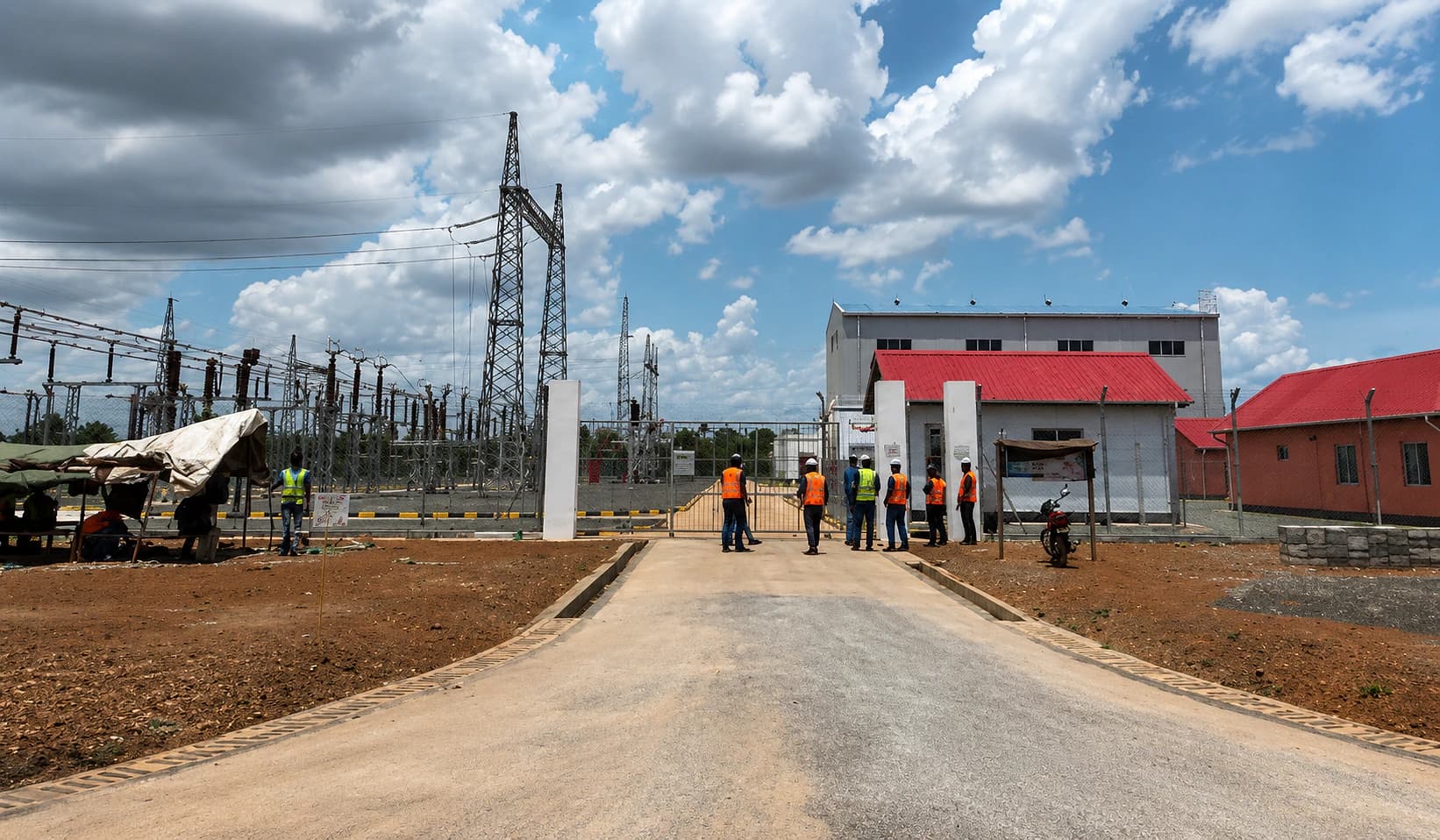
Capital spending is what builds the roads, power lines, ports, clinics and schools that an economy needs to grow and that private investment depends on. When it is squeezed to near zero for months at a time, the infrastructure deficit that already constrains Liberian business — unreliable electricity, poor feeder roads, limited water — widens rather than closes.
Public-sector wages are a large part of the recurrent bill. Salaries and wages reached US$40.5 million in December 2025 and have run between roughly US$10 million and US$32 million a month in early 2026, a claim on the budget that is politically difficult to compress and that competes directly with investment.
The March capital surge shows the spending is not absent so much as bunched, released in concentrated bursts when revenue allows rather than spread evenly across the year. That timing makes capital projects harder to plan and execute, and it raises the risk that year-end outlays are rushed.
The deeper issue is fiscal space. With revenue lumpy, grants recorded as nil and debt service rising, the room for sustained public investment is thin, and donor financing has historically funded much of Liberia's capital budget. Protecting investment from the squeeze is one of the central challenges of managing the country's finances.
Historically, much of Liberia's capital budget has been financed by donors rather than from domestic revenue, which leaves public investment doubly exposed — to the volatility of the government's own cash and to the timing of external support. When both tighten at once, the roads, clinics and power lines that appear in the development plan are the first to slip.
What to watch is whether capital spending stabilizes through 2026, whether the wage bill is contained, and whether the government can shield investment from the volatility that defines the rest of the budget.