Beyond gold and iron ore, Liberia's smaller export commodities had a mixed March, according to data from the Central Bank of Liberia (CBL) and the Liberia Institute of Statistics and Geo-Information Services (LISGIS). Their fortunes diverged sharply — a snapshot of both the promise and the fragility of efforts to broaden the export base.
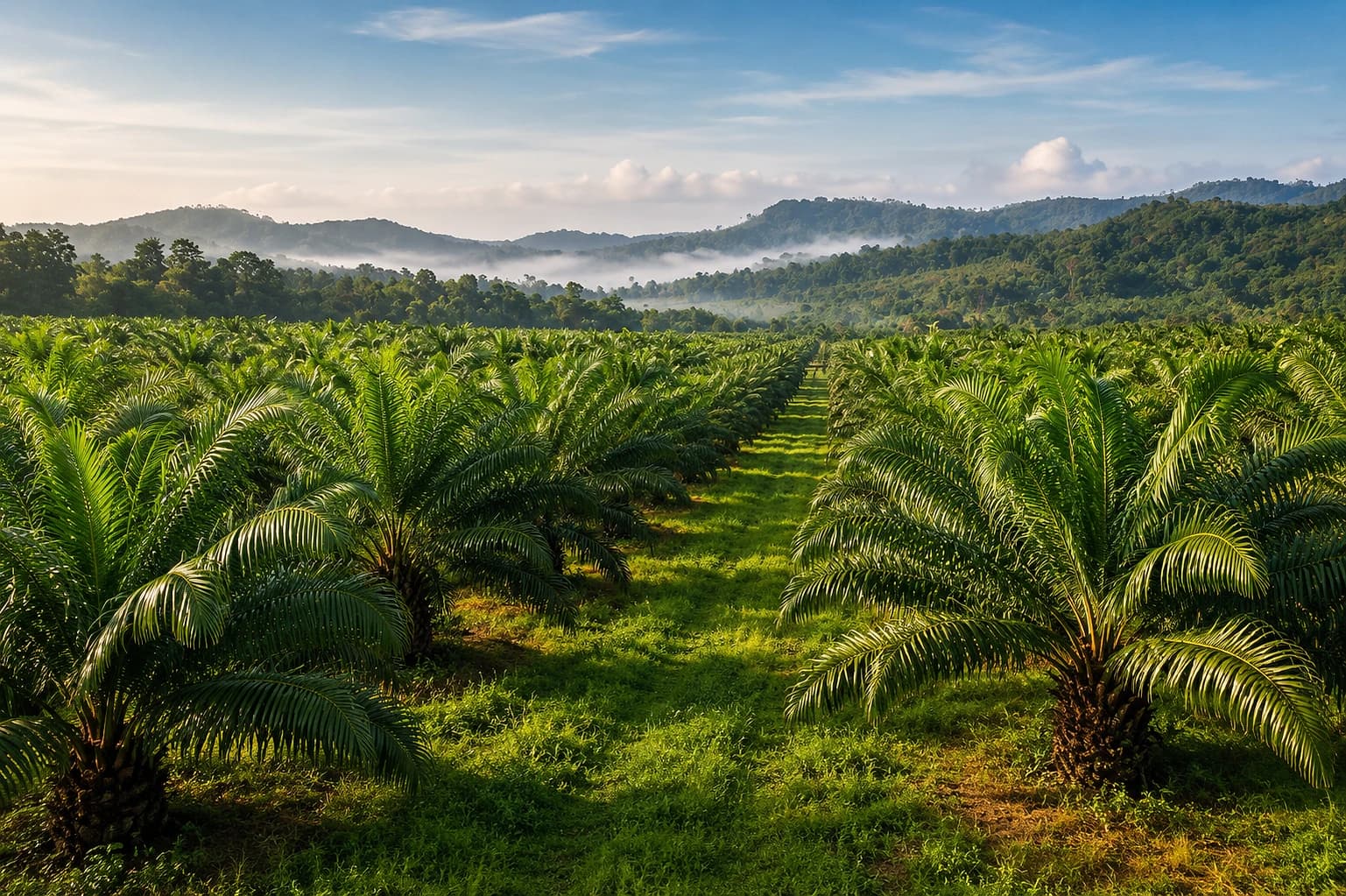
Palm oil was the standout gainer. Export earnings reached US$6.6 million in March 2026, up from US$1.1 million a year earlier, as crude palm-oil production rose to about 2,444 kilograms from 1,770 a year before. The jump, off a low base, points to rising output in a crop that Liberia has long sought to develop at commercial scale, with large concession operators and smallholder schemes both part of the picture. Global palm-oil demand, driven by food and industrial uses, gives the crop a large potential market if Liberia can scale milling and replanting.
Diamond production more than doubled, reaching about 6,992 carats from 3,027 a year earlier. Yet the export value remained small at US$0.45 million, down from US$0.69 million, as a shift toward lower-value stones offset the higher volume — a reminder that in gemstones, carats and dollars do not always move together. Liberia's diamonds are largely alluvial and artisanally mined, and the country participates in the Kimberley Process certification scheme intended to keep conflict stones out of world markets.
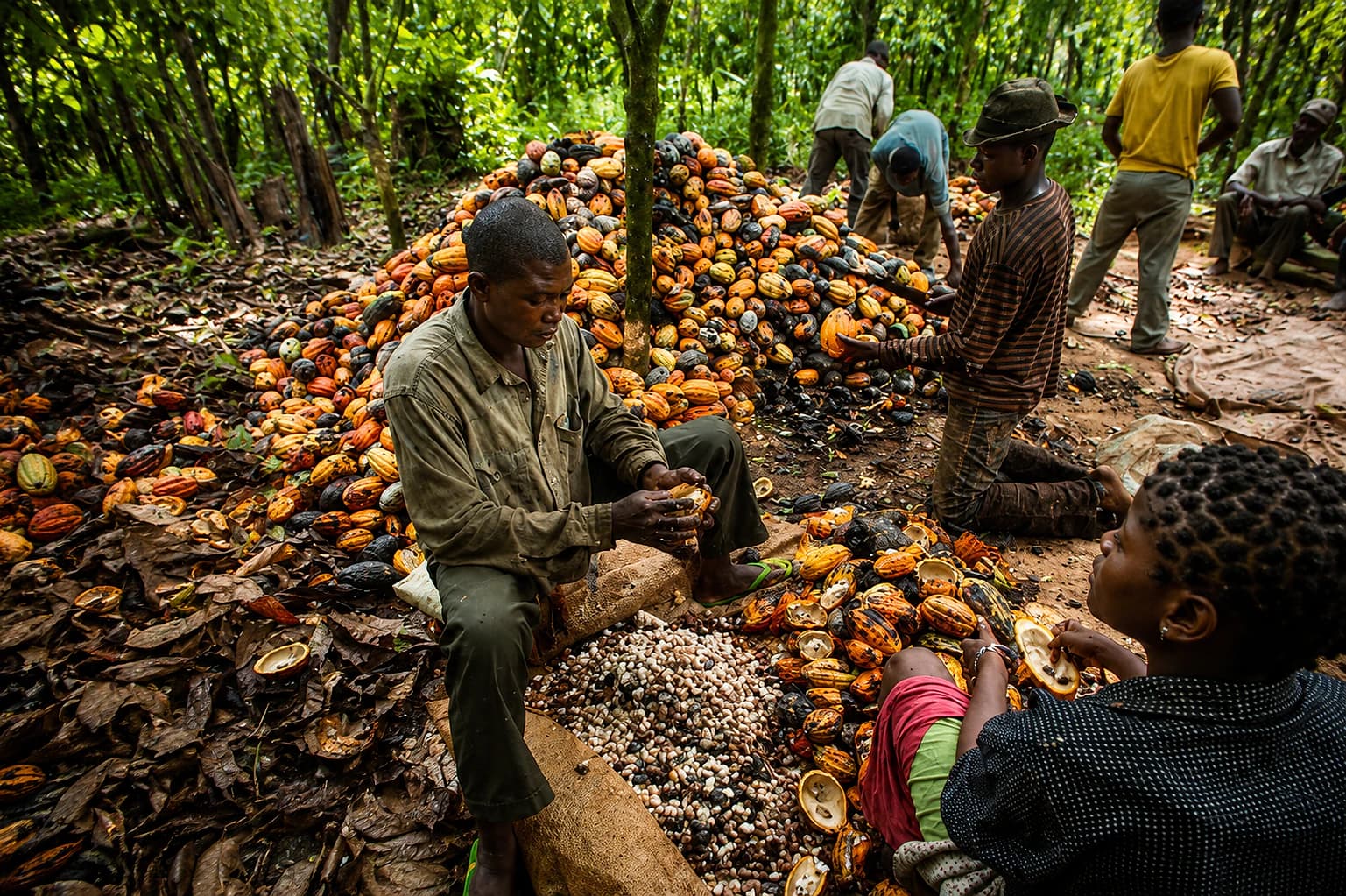
Cocoa moved the other way. Bean production fell about 62 percent to 1,350 metric tons, and export earnings dropped to US$0.43 million from US$1.0 million a year earlier — a steep decline for a crop grown largely by smallholder farmers in the country's interior. The fall comes even as world cocoa prices have been historically high, suggesting the constraint in Liberia is supply and aggregation rather than demand.
These commodities are small relative to Liberia's mineral exports, but they carry outsized importance. They are produced by farmers and small miners rather than a handful of large operators, so earnings from them spread more widely across rural communities. A broader, more diversified export base would also reduce the economy's exposure to swings in gold and iron-ore prices.
The mixed results illustrate the challenge of getting there. Diversification depends on consistent volumes, local processing capacity that captures more value at home, quality standards and reliable access to markets — none of which is yet assured for crops like palm oil and cocoa. Investment and extension support for smallholders remain thin.
The contrast with the mineral boom is the wider lesson: Liberia's growth is real but narrow, and spreading it depends partly on whether crops like these can move from promising monthly data points to sustained, scaled industries.
What to watch is whether the palm-oil and diamond gains hold beyond a single month, whether cocoa output recovers as prices stay high, and whether investment flows into the processing and aggregation that would let smallholders capture more value.
Related: Gold and Iron Ore Drive Mining Higher as Rubber Falls