Liberia's mineral production rose sharply in early 2026, with gold, iron ore and diamond output all higher than a year earlier, even as rubber and other agricultural commodities declined, according to production data from the Liberia Institute of Statistics and Geo-Information Services (LISGIS).
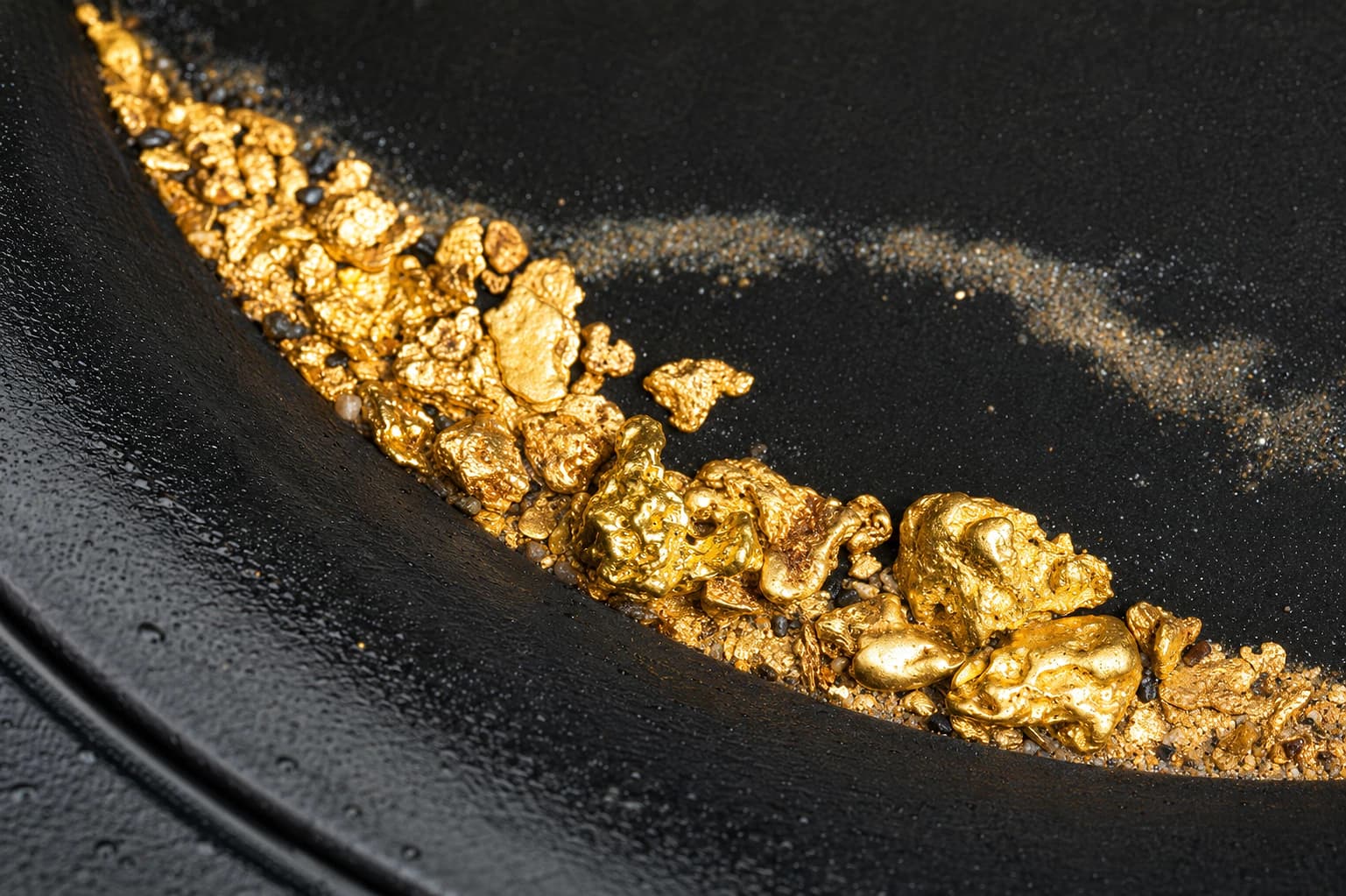
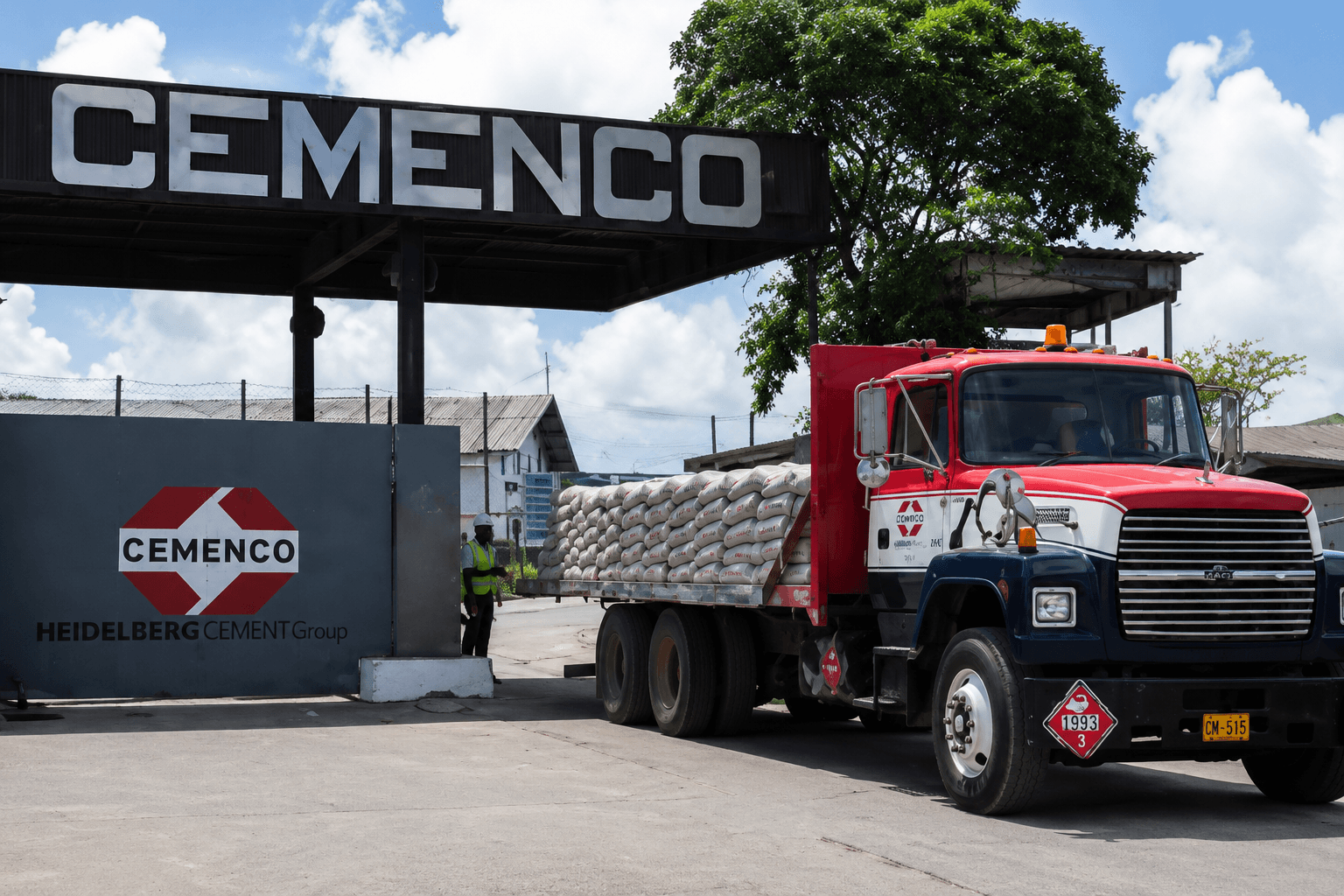
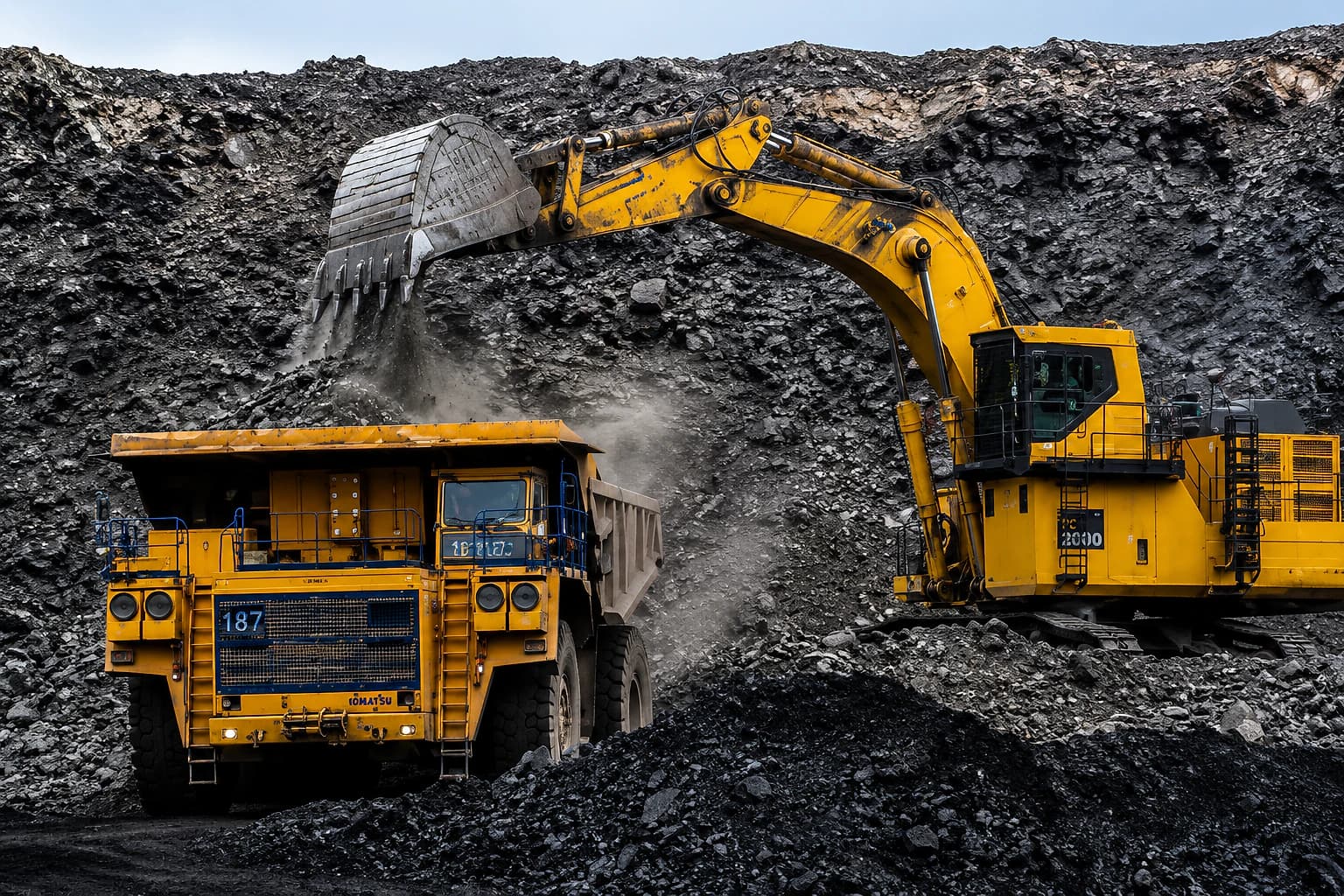
Gold output reached 37,835 ounces in March 2026, up 15 percent from a year earlier and 23 percent on the month. Diamond production more than doubled over the year to 6,992 carats, and cement output rose 52 percent to 89,000 metric tons — a gain that points to underlying construction demand.
Iron ore, Liberia's largest export by volume, totaled 2.33 million metric tons in March. The figure was far above the unusually low level of March 2025, but down 21 percent from February, when output neared 3 million tons — a reminder that monthly mining volumes can swing widely on shipment schedules and operational factors.
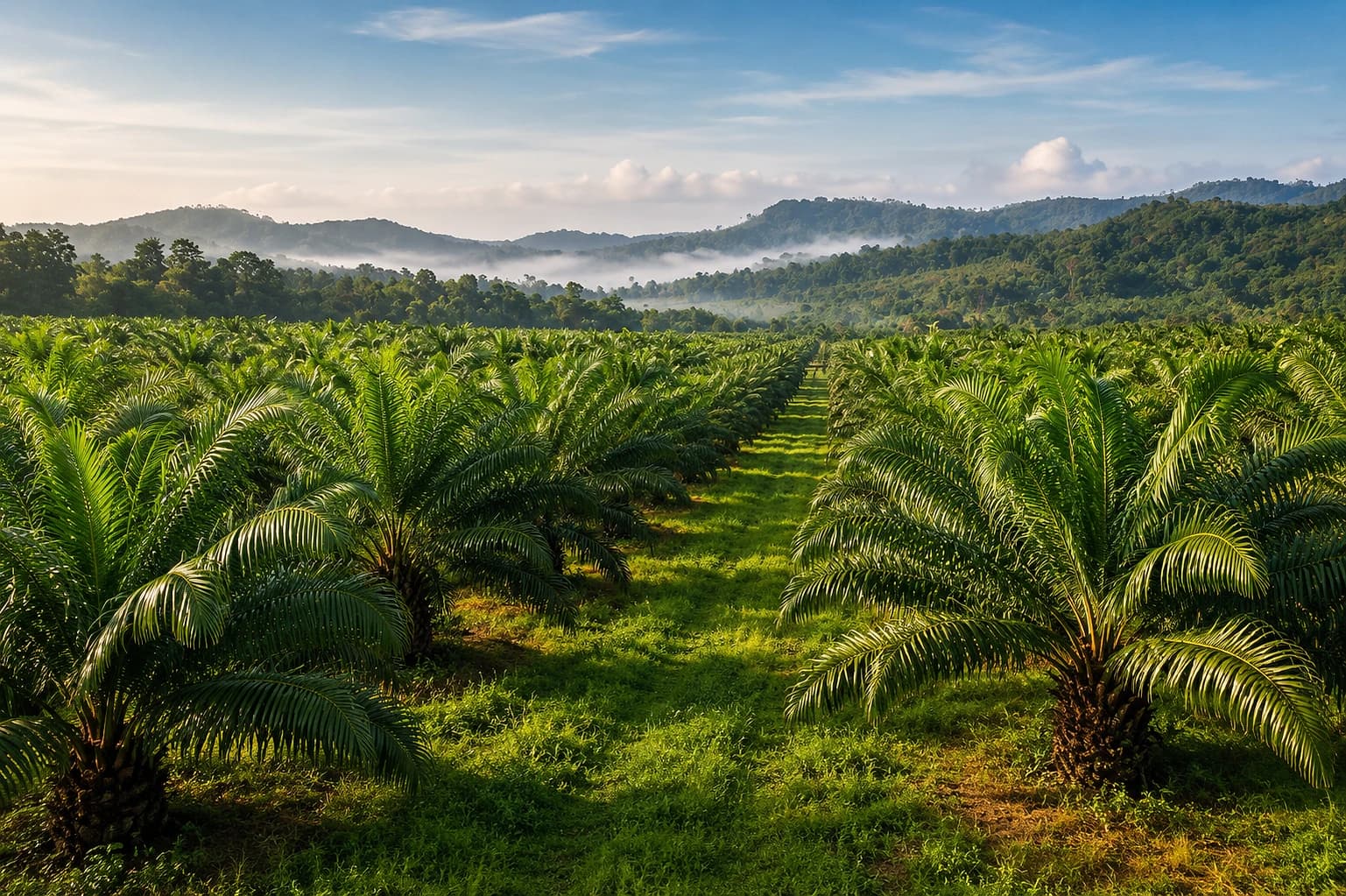
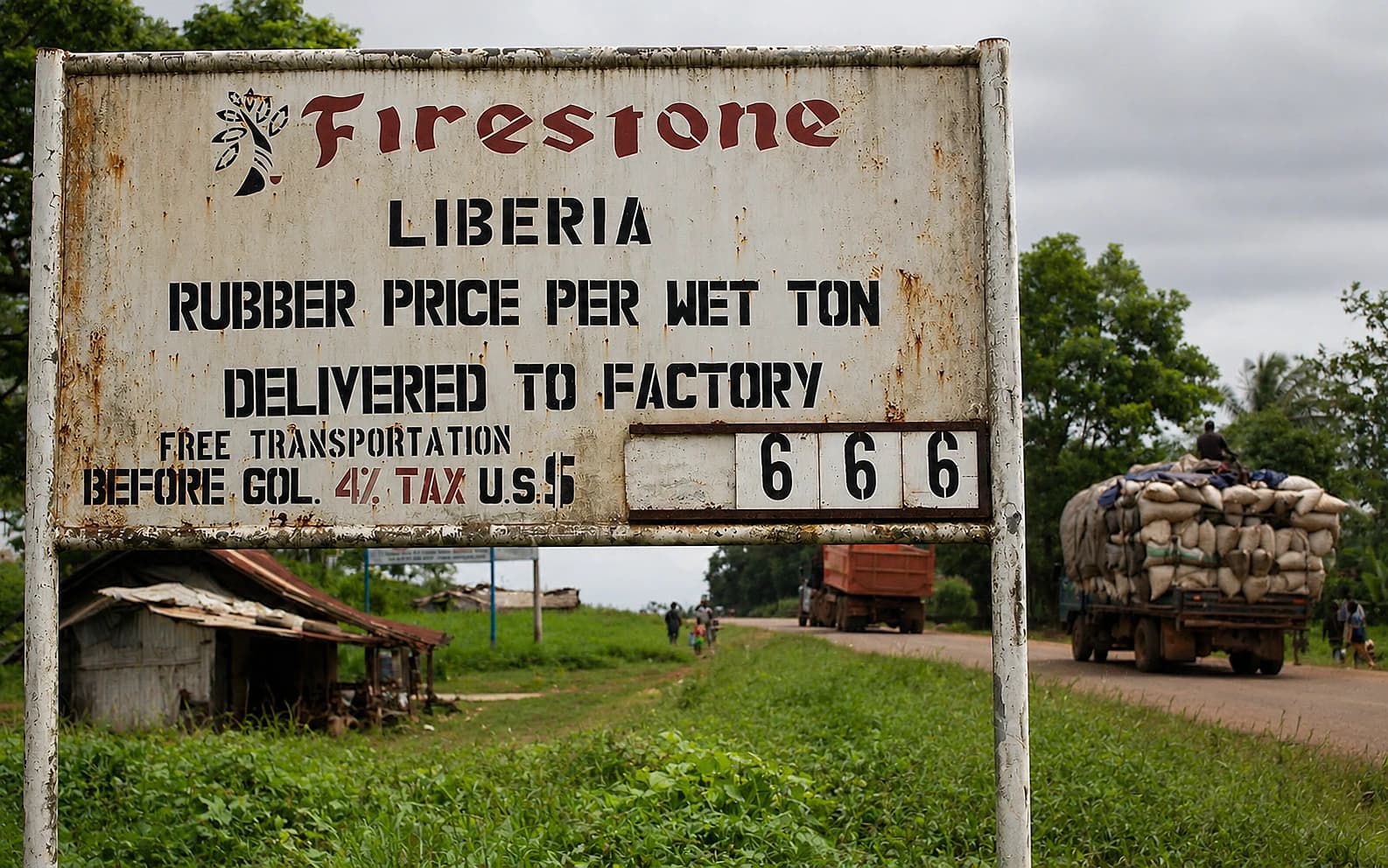
The picture was weaker outside mining. Rubber production fell 30 percent from a year earlier to 3,476 metric tons, cocoa-bean output dropped 62 percent, and sawn-timber output fell 48 percent. These are not marginal commodities for the communities that depend on them: rubber in particular is a major rural employer, and falling output feeds directly into incomes in plantation areas.
The divergence between booming minerals and struggling agriculture is the defining feature of Liberia's current expansion. Mining and panning output rose 23 percent in value in 2025 to over US$1 billion, while agriculture grew just 1.3 percent in nominal terms — a split that helps explain why headline growth has not translated evenly into rural livelihoods.
Production figures matter beyond the mines and farms. They feed directly into export receipts, foreign-exchange earnings and government revenue through royalties and taxes, and they are a leading signal of where the economy is heading before the national accounts are finalized.
The risks are the familiar ones for a commodity economy: exposure to global prices, concentration in a few products and operators, and the volatility evident in the month-to-month swings. The agricultural declines carry a separate social cost, weighing on the incomes of the many Liberians who farm.
What to watch is whether iron-ore and gold momentum holds through 2026, and whether the drops in rubber, cocoa and timber reflect prices, weather or a deeper erosion of volumes.
Related: Palm Oil Jumps, Diamonds Double, Cocoa Slumps in Liberia's March Commodity Mix