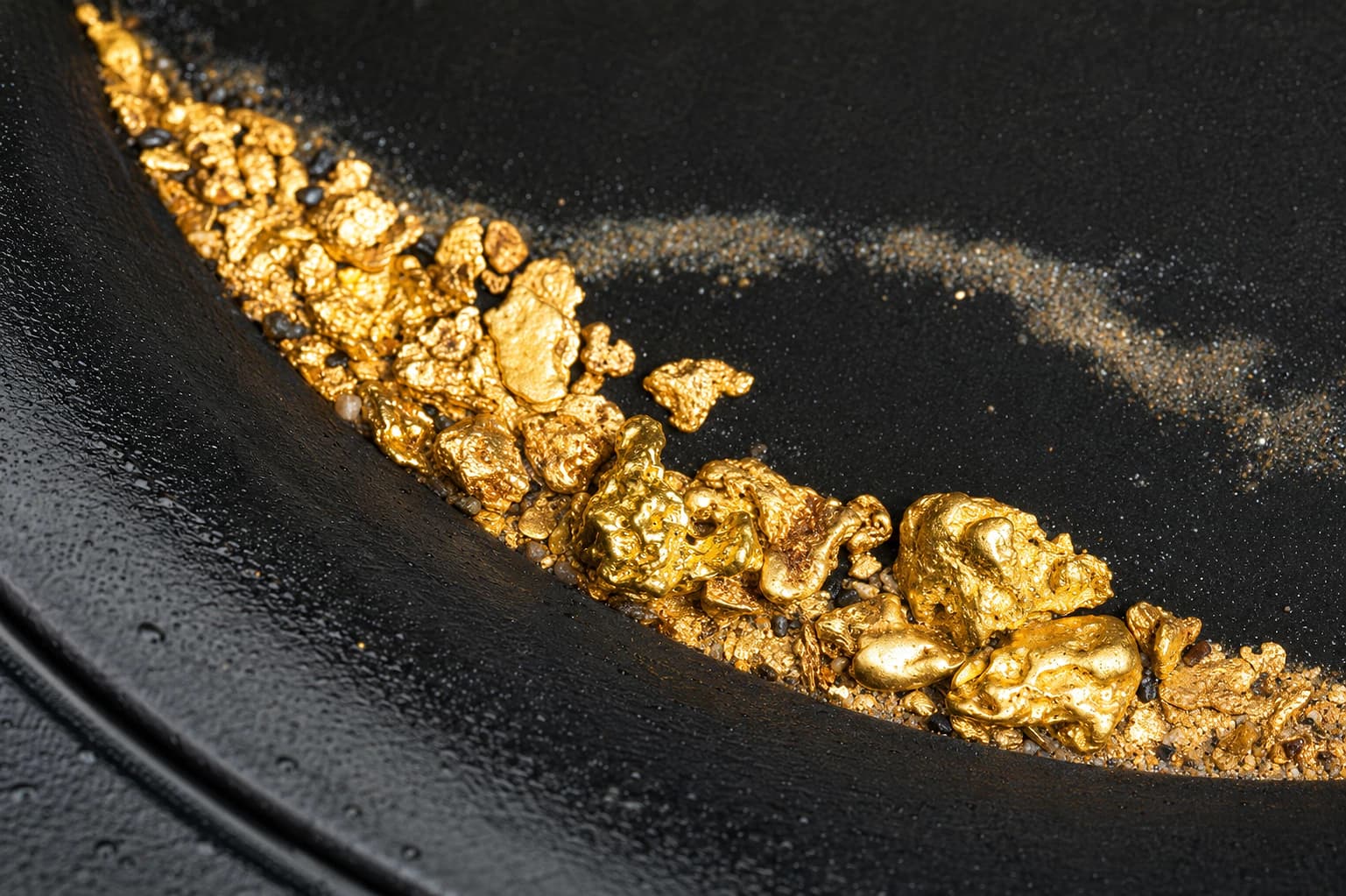

Gold has emerged as Liberia's single largest export earner, with shipments valued at US$175.1 million in March 2026 — more than double the US$82.7 million recorded a year earlier, according to trade data published by the Central Bank of Liberia (CBL).
The value of gold exports in March was more than twice that of iron ore, at US$68.6 million, marking a decisive shift in the composition of Liberia's export base. For most of the past two decades that base has been led by iron ore, the bulk commodity that reopened Liberia's post-war mining sector. Gold's ascent has been rapid and steady: export earnings climbed from US$143 million in February to US$175 million in March.
Production has risen alongside prices. Gold output reached 37,835 ounces in March, up about 15 percent from a year earlier and 23 percent from February, according to figures from the Liberia Institute of Statistics and Geo-Information Services (LISGIS). The gains reflect two forces at once: stronger world gold prices, which have traded at historically high levels as investors seek safe assets, and rising volumes from Liberian operations spanning both industrial mines and a large artisanal and small-scale sector.
That dual structure matters. Industrial gold is captured cleanly in official export data, but artisanal output has historically been prone to leakage across borders, meaning recorded figures may understate true production. Efforts to formalize and channel artisanal gold through official buyers have been a recurring policy aim, and stronger recorded exports may partly reflect more of that activity being captured.
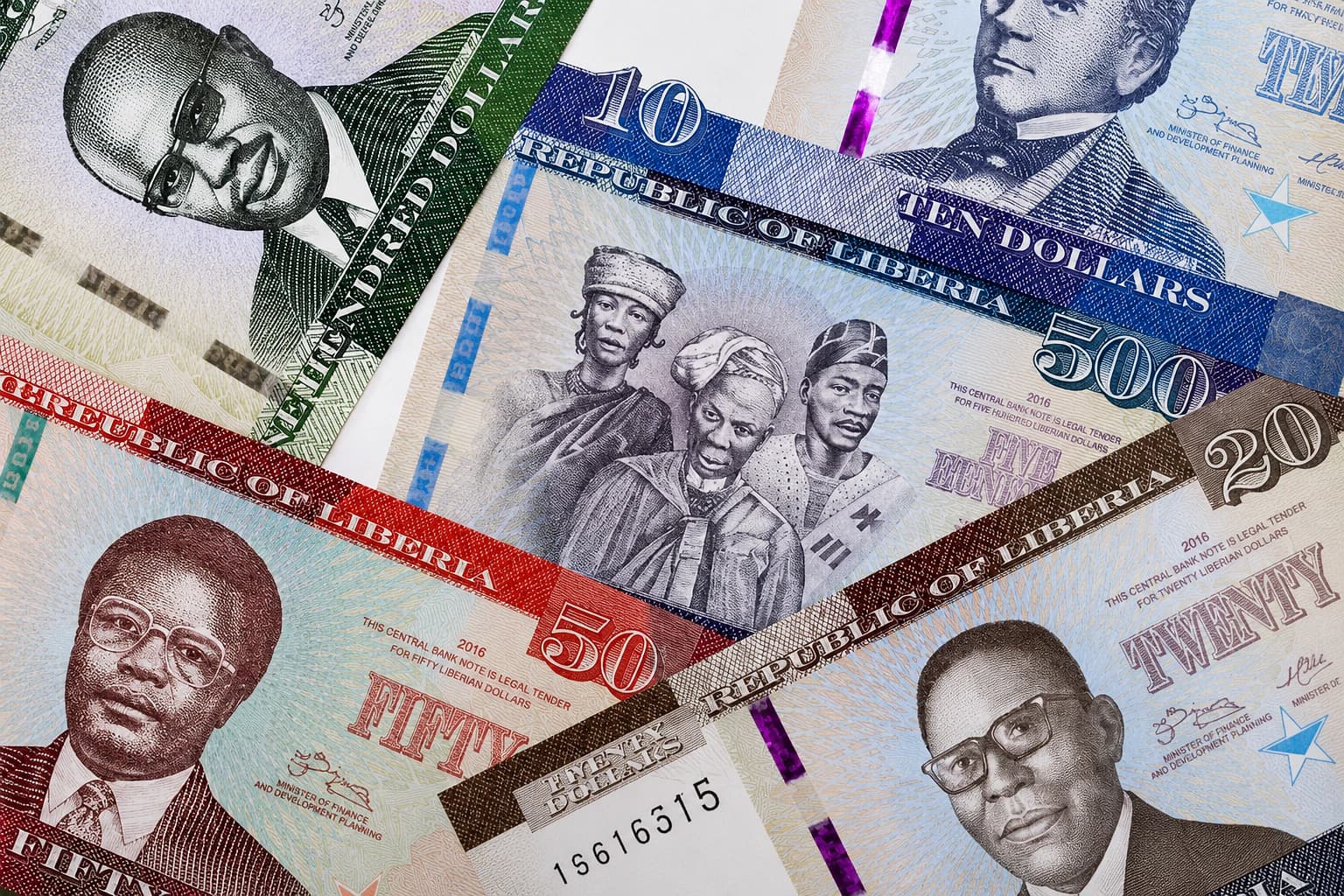
For an economy that depends on commodity exports for foreign exchange, the gold boom has been consequential. It has lifted overall export earnings — up 58 percent in 2025 — and contributed to the relative stability of the Liberian dollar, which has held near the stronger end of its 2026 range of roughly L$177 to L$187 per US dollar. Higher export receipts feed the foreign reserves the CBL uses to smooth the currency.
Gold's rise also broadens Liberia's mineral base beyond iron ore, which is produced by a small number of large operators. But diversification into gold brings its own concentration risk. A sharp fall in world gold prices would now hit export receipts, reserves and the exchange rate through a channel that barely existed a few years ago, and the gains of the past year have leaned heavily on prices as much as volumes.
The fiscal question runs alongside the trade one. Gold generates royalties and taxes, but how much reaches the treasury depends on the share of output that flows through formal, taxable channels rather than informal ones — a long-standing challenge in artisanal mining.
The speed of the surge raises the question of durability. Output and prices have both contributed, and the two can move independently: prices can reverse even as volumes hold, or volumes can fall while prices stay firm.
What to watch is whether global gold prices stay elevated, whether Liberian output can be sustained and increasingly formalized, and how much of the earnings flow into government revenue and reserves rather than leaving again through the import bill.