
The cost of keeping a roof overhead and the lights on rose faster than overall prices in Liberia over the past year. The housing, water, electricity, gas and other fuels index climbed 6.1% in the year to March 2026, to 344.0 from 324.2, according to the Liberia Institute of Statistics and Geo-Information Services (LISGIS) via the Central Bank of Liberia.
That outpaced headline inflation of 4.50% over the same period, and it matters because housing and utilities are among the least flexible items in a household budget. Rent, water and power must be paid each month regardless of income, so increases here bite harder than swings in discretionary spending. The category carries a 7.2% weight in the consumer price index.
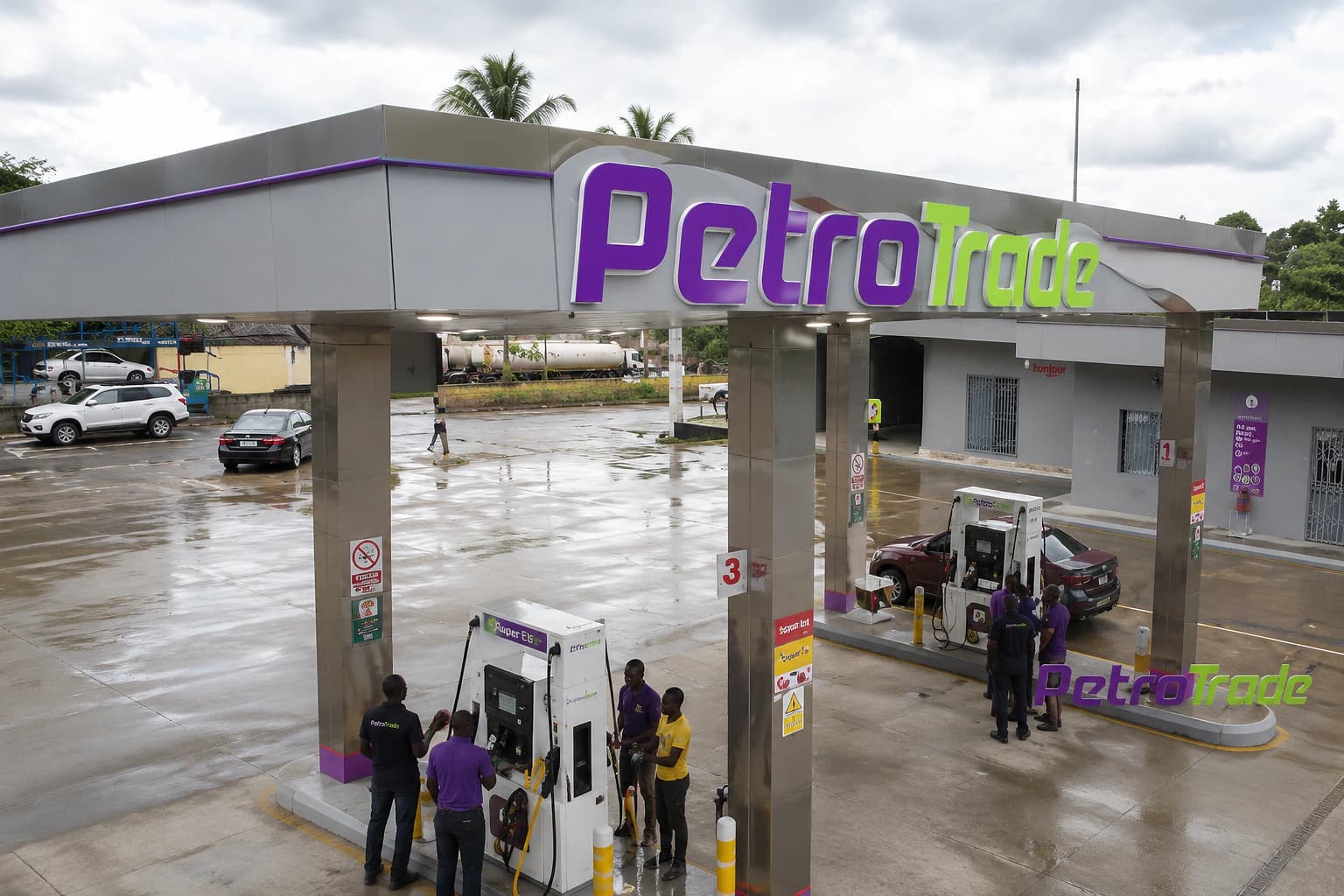
Much of the pressure traces to energy. Electricity and piped water reach only a minority of Liberians, and many households and businesses rely on expensive generator fuel, charcoal and bottled or trucked water to fill the gap. The cost of those substitutes moves with global fuel prices and the exchange rate, feeding directly into the housing-and-utilities index.
The burden falls unevenly. Poorer households spend a larger share of their income on basic shelter and energy, so a rise in these costs widens hardship even when food prices, which have been mild, offer some relief elsewhere in the basket.
Liberia has one of the lowest electricity-access rates in the world, and expanding the grid and water supply is a long-standing development priority. Until reliable, affordable power and water reach more households, the cost of substitutes will keep this part of the cost of living sensitive to fuel prices and the currency.
The index rose steadily through 2025 before leveling off in early 2026, tracking the broader path of energy costs. A firmer Liberian dollar has helped contain imported fuel prices, but the underlying reliance on costly off-grid energy remains.
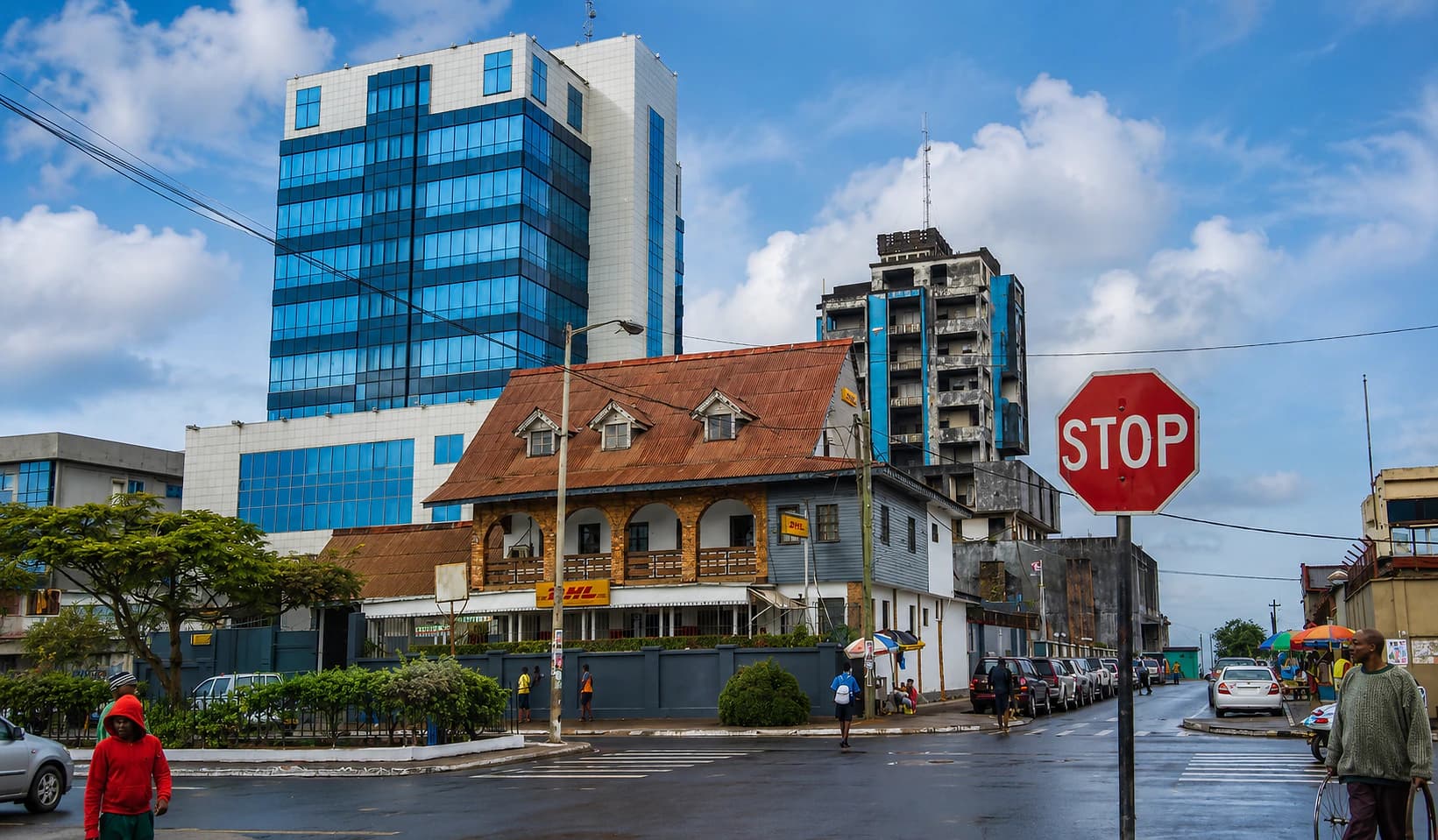
Rents add to the pressure, particularly in and around Monrovia, where rapid urbanization has pushed more people into a limited stock of housing. Demand for shelter in the capital outpaces construction, and landlords often price in US dollars, tying rents to the exchange rate as directly as imported fuel.
What to watch is whether electricity access expands, how fuel prices and the exchange rate move, and whether housing and utility costs keep outpacing the headline rate through 2026.