The trade and hotels subsector of Liberia's economy produced US$505.74 million in constant-price output in 2025, up 5.5 percent from US$479.38 million the year before, according to national accounts data from LISGIS. It is the largest single component of the services sector, which itself generated US$1,495.78 million — 38.7 percent of real GDP.
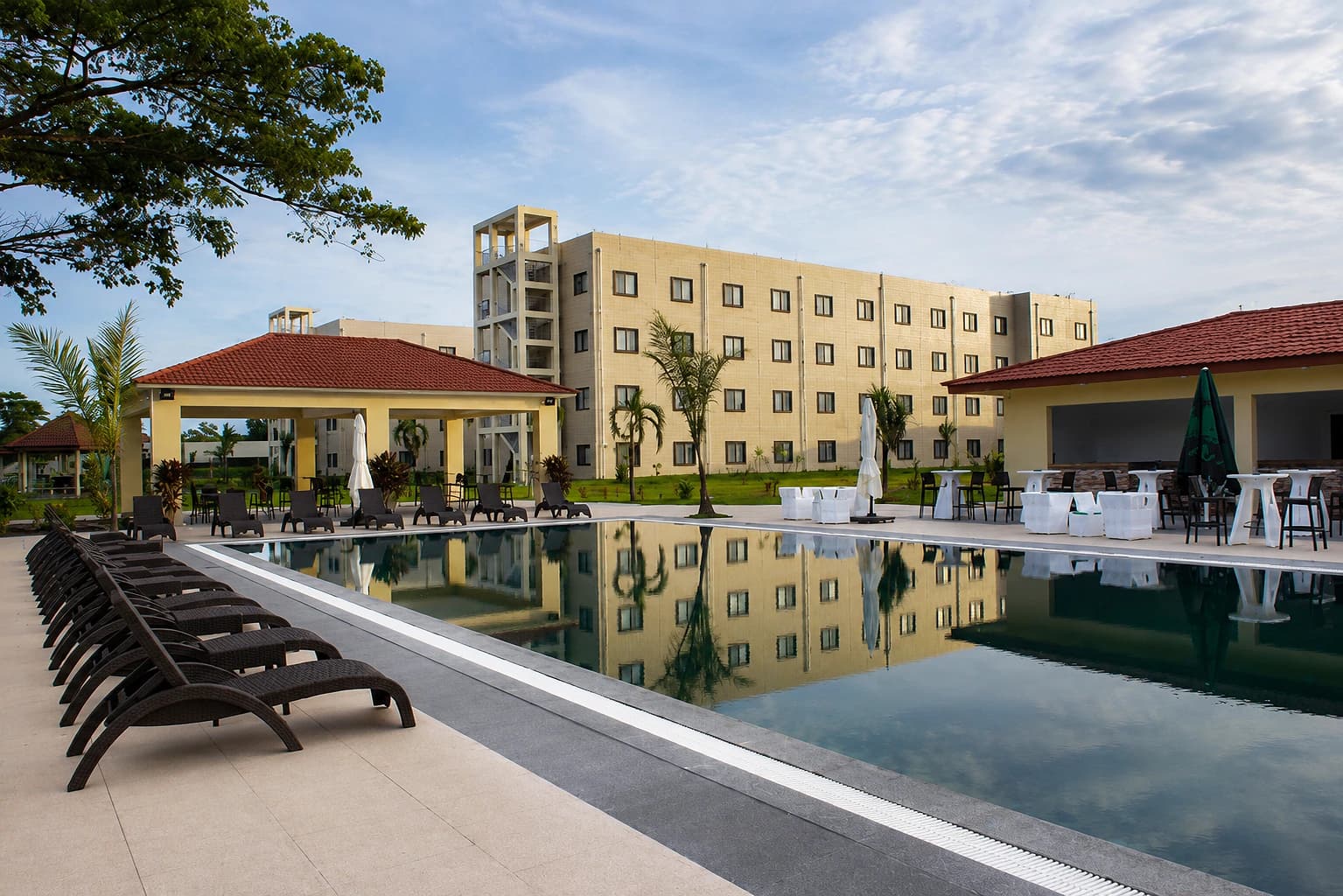
The category captures more than tourism. In Liberia it spans the cookshops, street vendors and local eateries where many urban workers buy daily meals, as well as the hotels and guesthouses that serve business travelers and visiting officials. It includes the wholesale and retail trade that moves goods from port to market, from warehouse to shop, from Monrovia to the counties. A 5.5 percent rise therefore touches everyday spending, not just discretionary outings.
Within the broader services sector, every major subsector grew in 2025. Construction expanded 6.05 percent to US$200.86 million, the fastest pace in the group. Financial institutions grew 4 percent to US$119.87 million, consistent with a banking sector that is profitable — if conservative in its lending. Electricity and water services expanded as grid output rose, with electricity generation up 30.74 percent year-on-year by March 2026 to 54,799,000 kilowatt-hours.
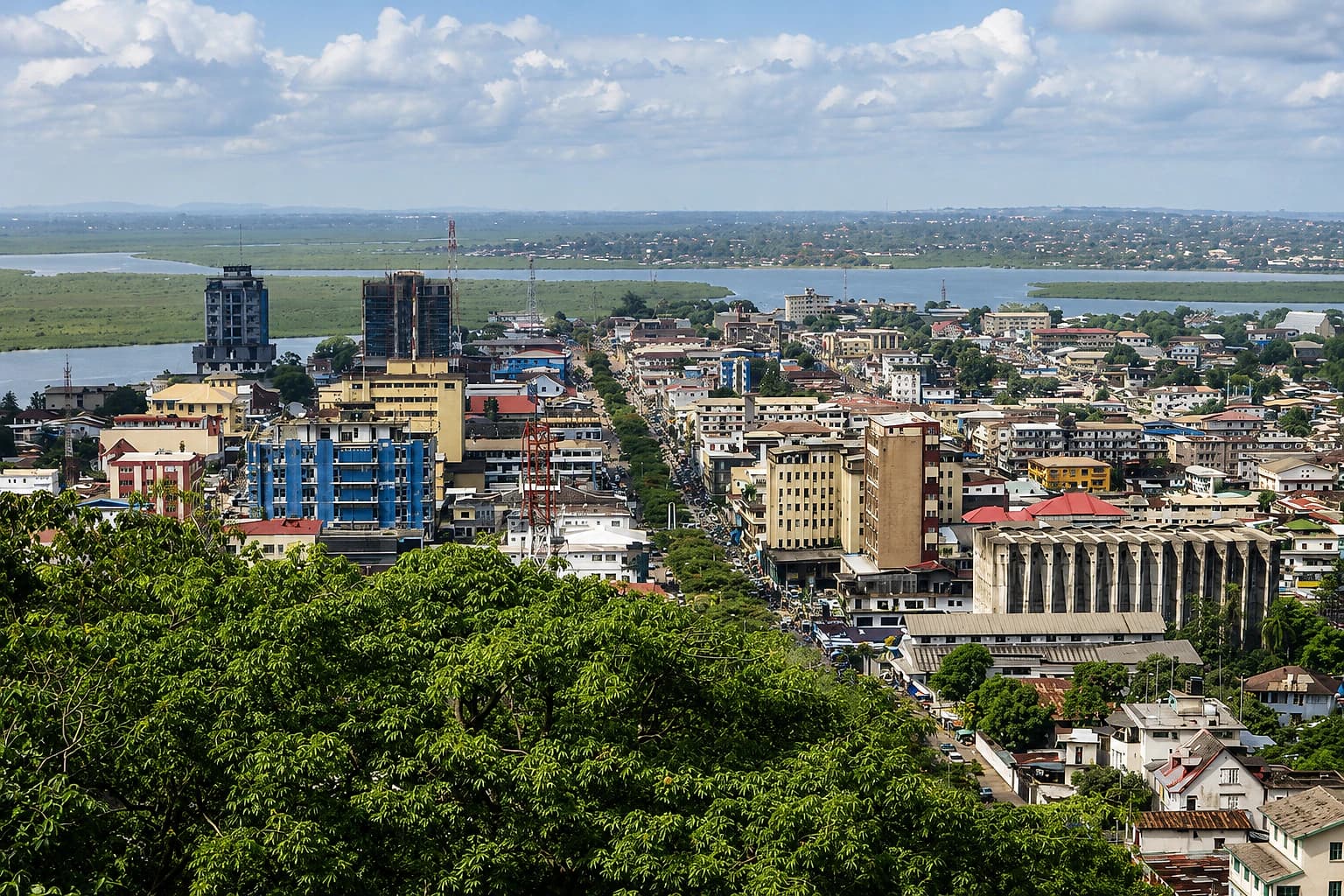
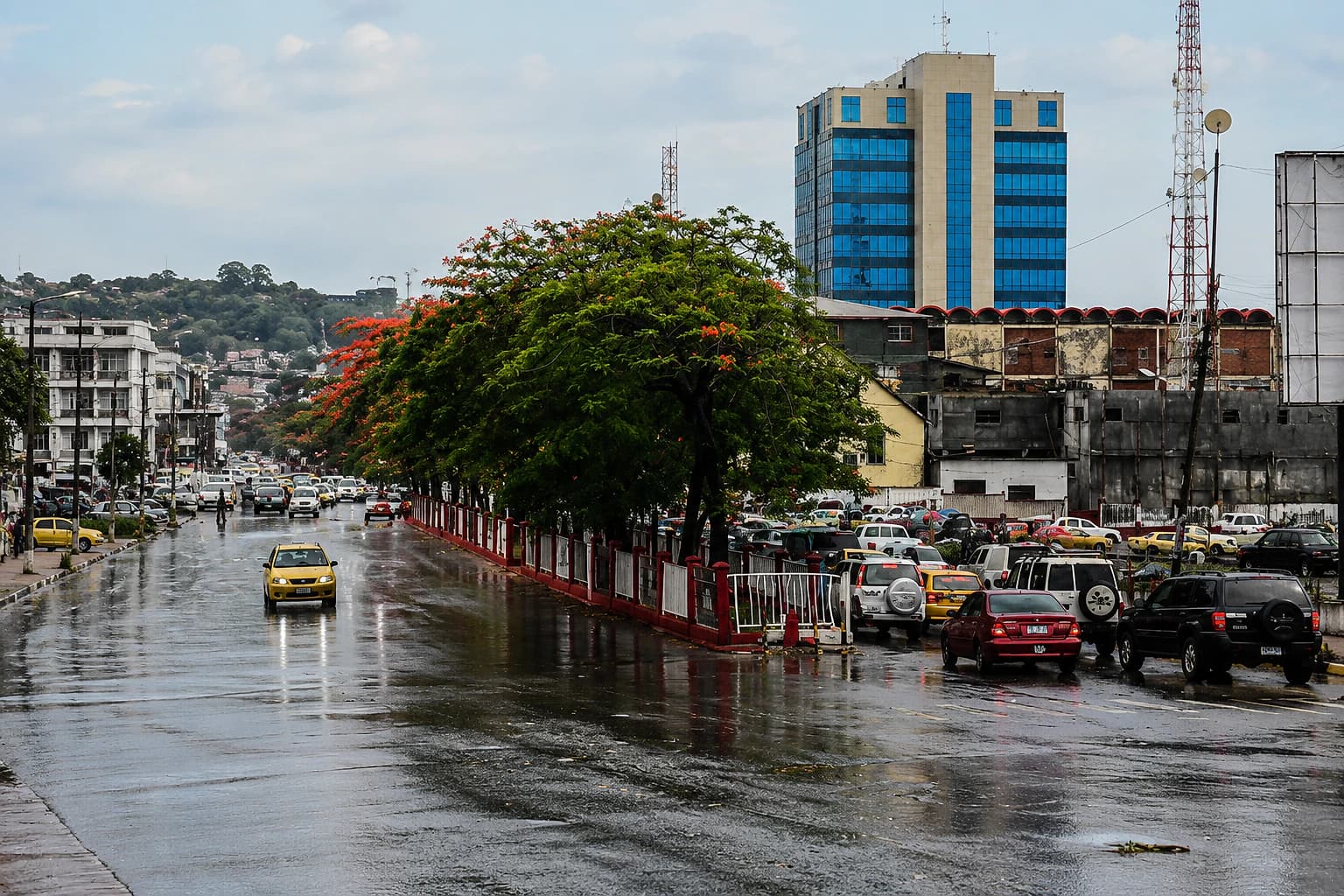
The services economy is where most Liberian small businesses operate. The market women in Red Light, the taxi drivers on Tubman Boulevard, the restaurant owners on Carey Street, the mobile-money agents in Ganta — all of them are counted, directly or indirectly, in the services GDP. A 4.29 percent growth rate for the sector overall means this part of the economy is expanding, though modestly.
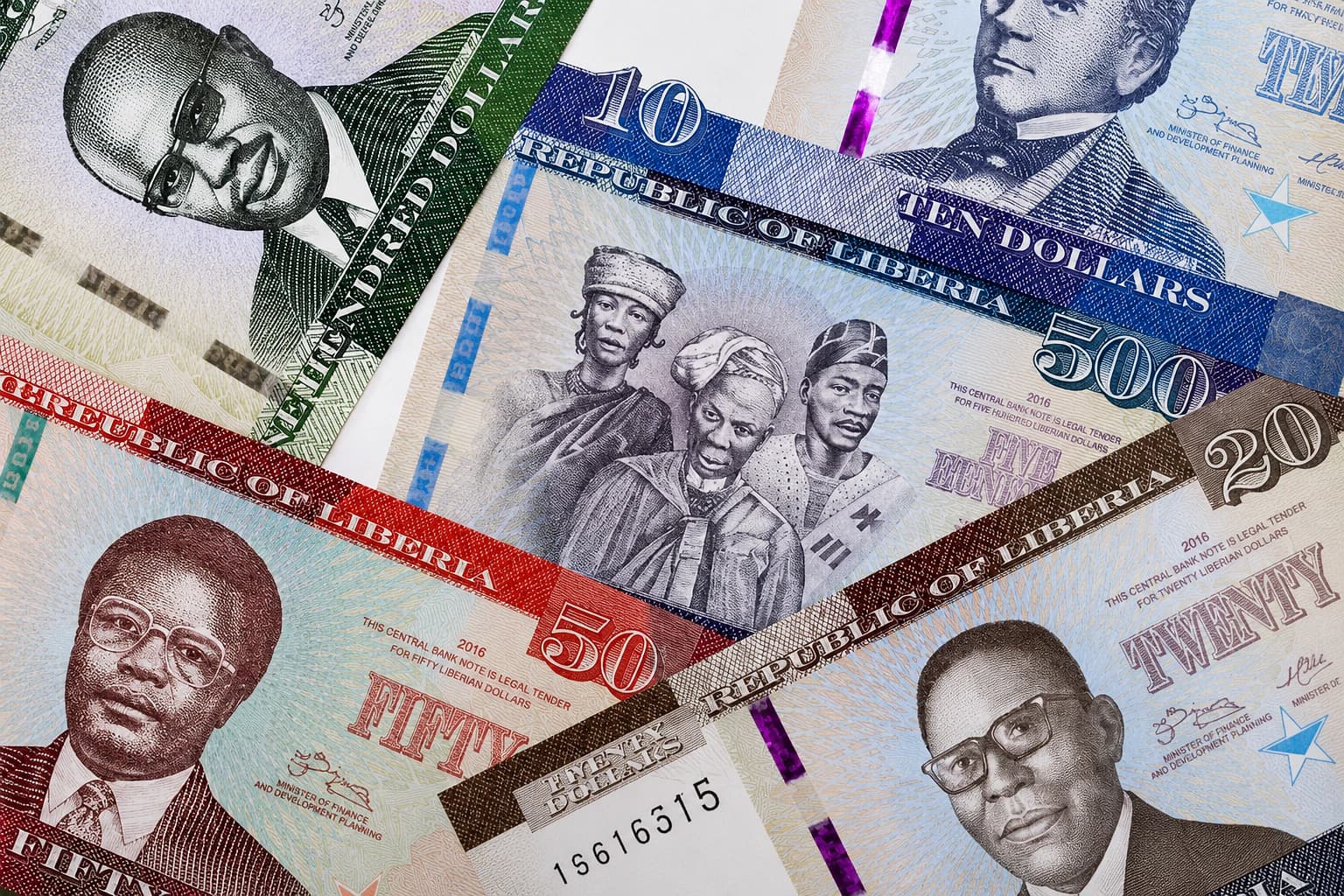
The structural challenge for services businesses is that they compete in a low-margin, high-volume environment. Most retail and food-service businesses operate with thin margins, limited access to credit and high input costs — especially for those that depend on imported goods priced in US dollars. The exchange rate, at L$183.93 per US dollar in March 2026, has been relatively stable, which helps importers plan, but the underlying cost of goods remains a squeeze.
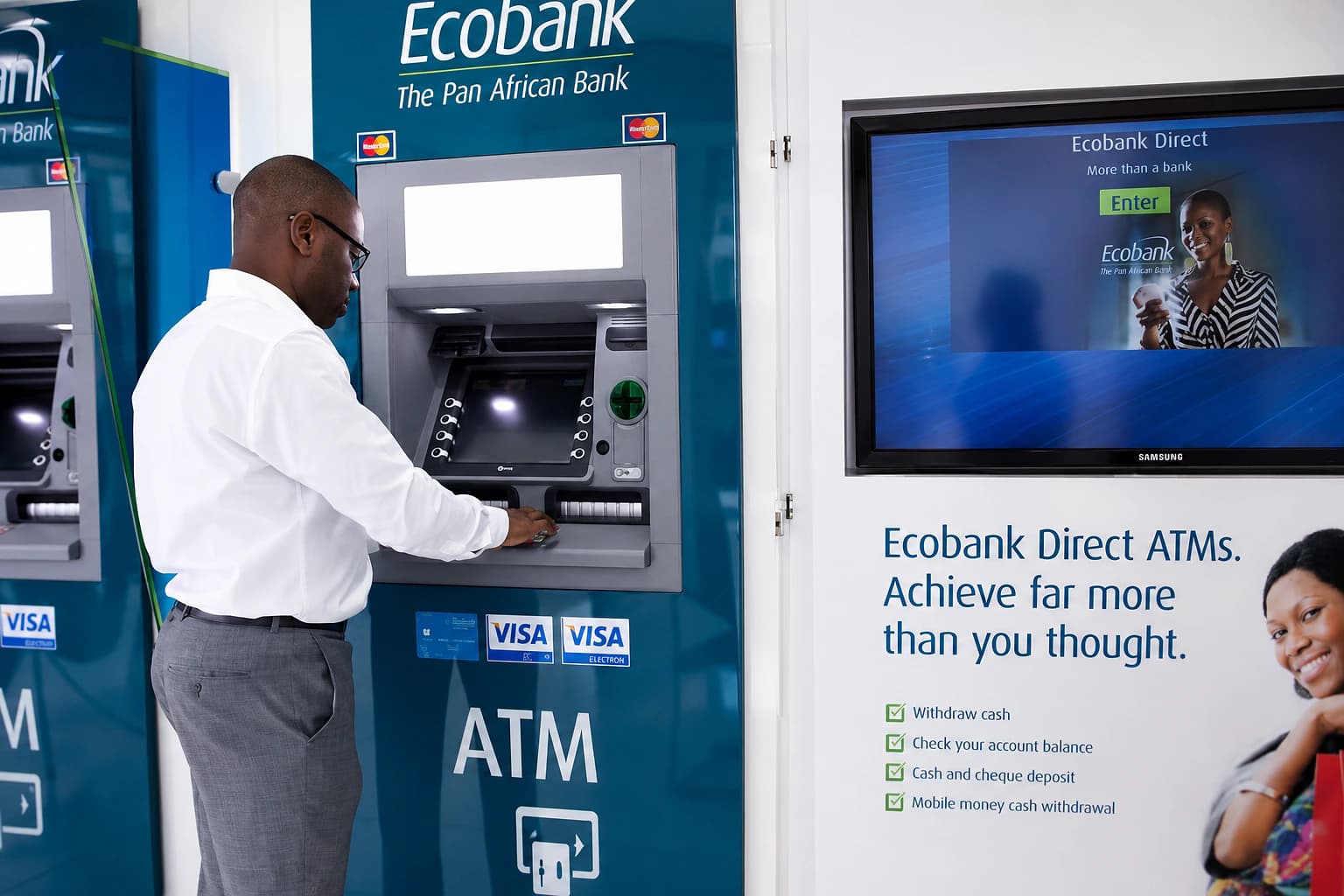
Financial services are growing but from a small base. At US$119.87 million, the subsector is less than a quarter of trade and hotels. The growth is concentrated in commercial banking and mobile money rather than in the insurance, leasing or capital-markets services that more diversified economies rely on. For entrepreneurs looking at financial services as a business opportunity, the gaps — insurance distribution, SME advisory, digital payments infrastructure — are visible and large.
The services boom is quiet because it does not produce a single headline-grabbing commodity like gold or iron ore. But it is the sector that employs the most people, that small businesses participate in most directly, and that will determine whether Liberia's GDP growth translates into broadly shared prosperity. A US$506 million subsector growing at 5.5 percent is a market worth paying attention to.