The cost of living for Liberian households moved unevenly in early 2026, with home-grown food getting cheaper while imported energy costs spiked, according to consumer-price data published by the Central Bank of Liberia (CBL).
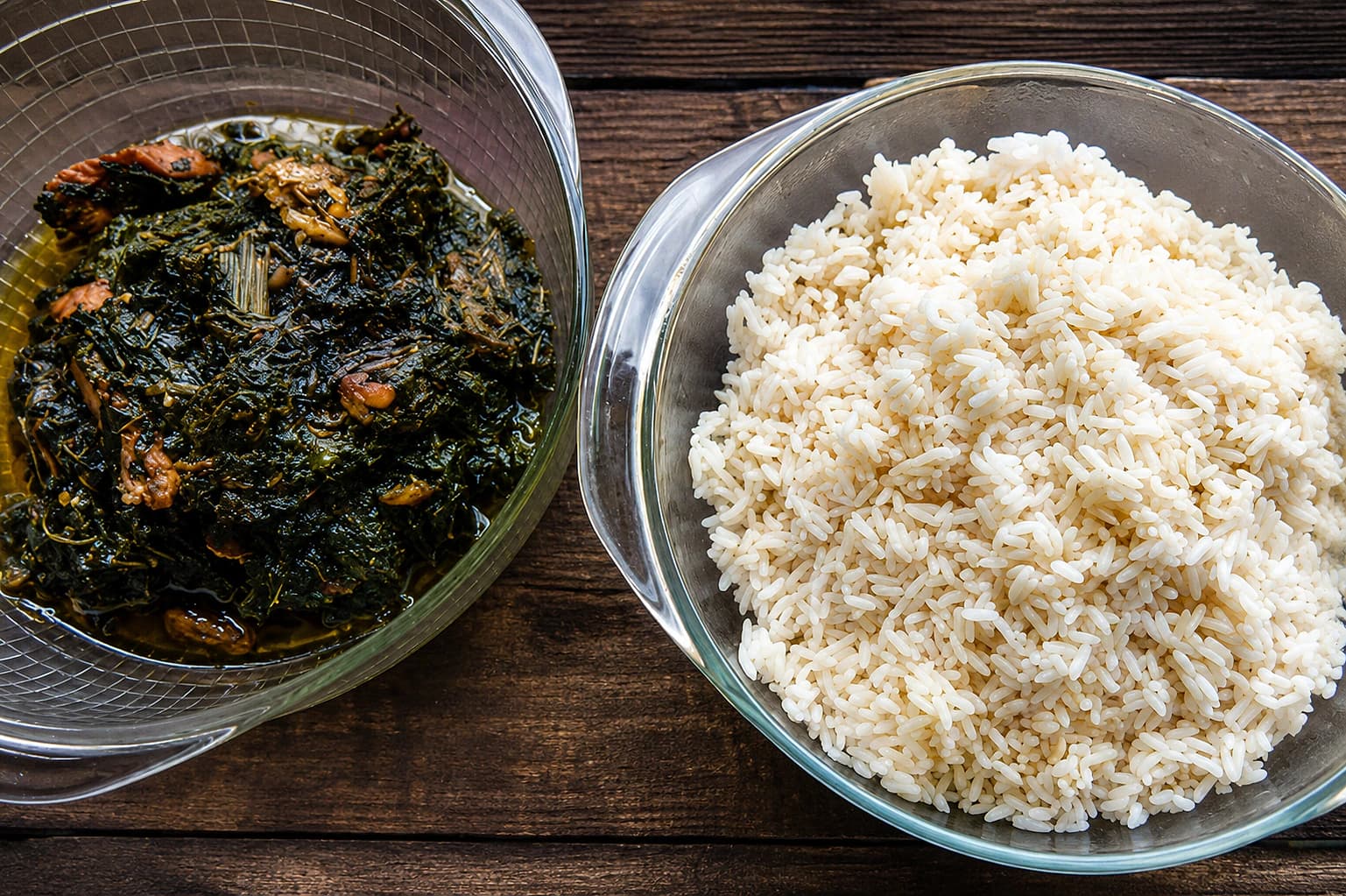
Domestic food prices fell about 1 percent over the year to March 2026, a meaningful easing in a country where food makes up a large share of household spending and where price movements are felt immediately. The turnaround has been striking: food inflation ran near 10 percent at the end of 2024 before easing steadily through 2025 into slightly negative territory — a swing that has done more than any other factor to bring headline inflation down. Food and non-alcoholic beverages overall rose just 1.3 percent.
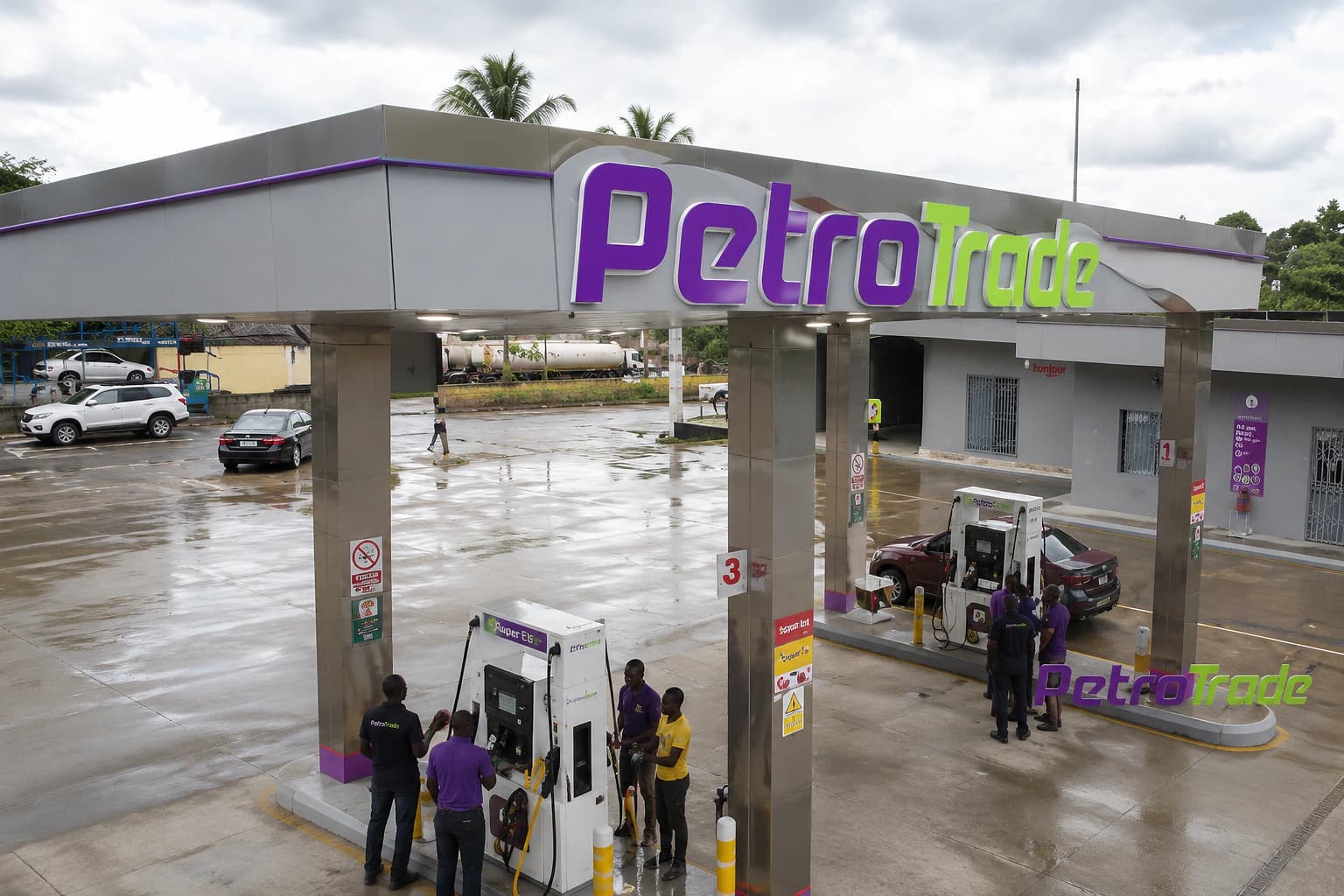
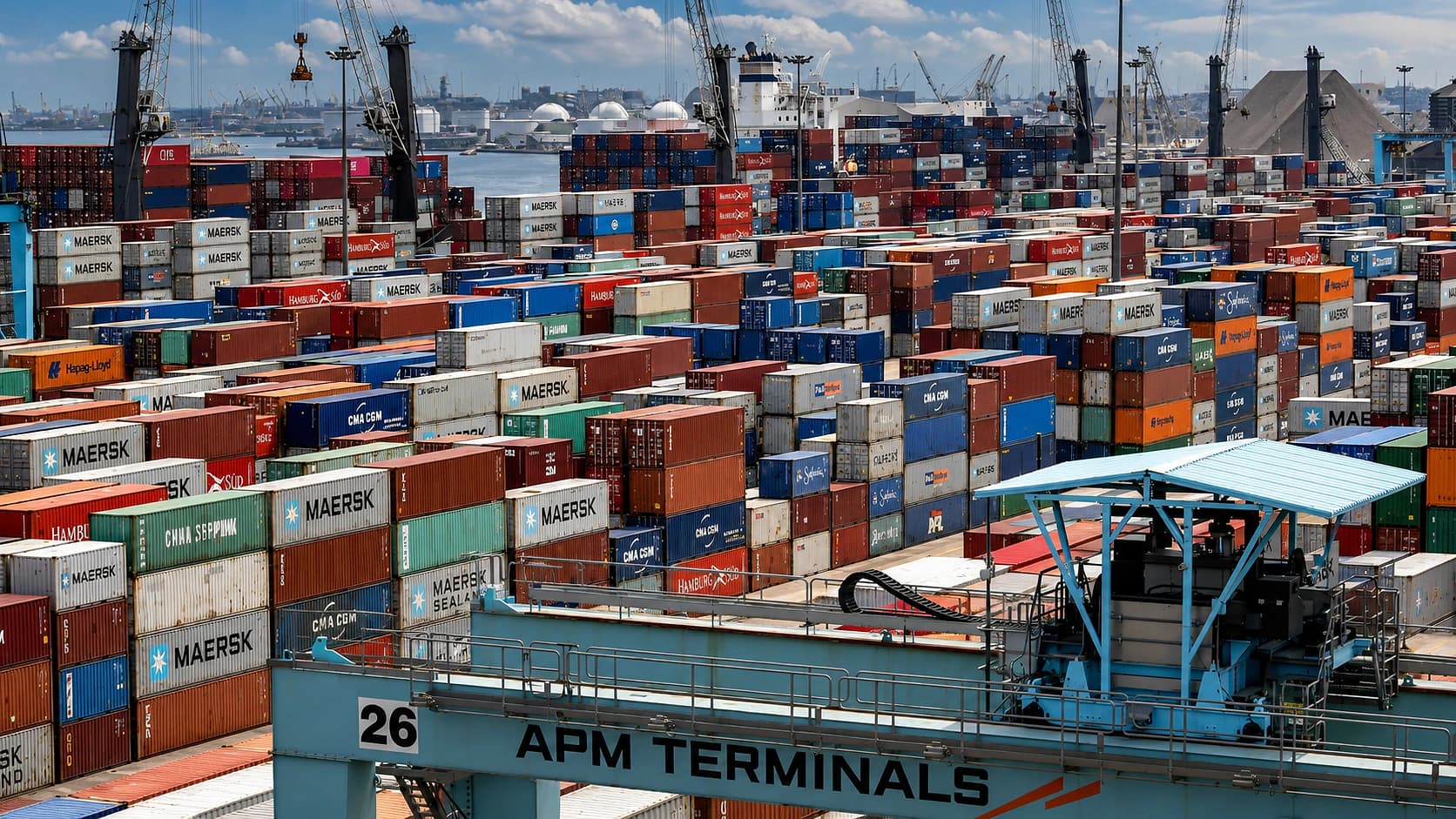
Imported costs were the pressure point. The imported-fuel price index jumped 12.4 percent in March alone and was up about 5.7 percent on the year, while imported food prices rose about 3.3 percent. In an economy that imports nearly all its fuel, that line item is a direct conduit from world energy markets and the exchange rate to the Liberian household budget.
The divide is the essence of Liberia's cost-of-living picture. Locally produced goods can become cheaper at the same time imported essentials climb, because the two are driven by different forces — domestic harvests, local supply and transport on one side; global prices and the Liberian dollar's value on the other. A good harvest can ease food prices even as a weaker currency or higher world oil prices push imported costs up.
For households, the mix matters more than any single index. Falling domestic food prices help most for families who buy local produce, but fuel feeds into transport fares and the cost of moving goods to market, which can push a wide range of other prices up even when the food basket eases. The burden also falls unevenly: the poorest households spend the largest share of their income on food and transport.
The exchange rate sits underneath all of it. The Liberian dollar's roughly 8 percent appreciation over the year has helped contain imported-goods prices; were the currency to weaken, the imported side of the basket would climb faster.
The broader inflation picture reflects this tension. Headline inflation eased to 4.50 percent in March, but the core measure that strips out food held near 6 percent — a sign that underlying price pressures, including those tied to imports and services, have not fully receded even as the food-driven headline rate falls.
What to watch is whether the March fuel spike passes through to transport and other prices in the months ahead, whether domestic food prices stay soft through the year, and whether the exchange rate holds to keep imported costs in check.