Liberia's imports reached US$328.8 million in March 2026 on a cost-insurance-freight basis, up about 110 percent from US$156.4 million a year earlier, according to trade data published by the Central Bank of Liberia (CBL). On a free-on-board basis, which excludes shipping and insurance, imports were US$314.1 million.
For the full year 2025, imports totaled US$2.35 billion, up 55 percent from 2024, broadly keeping pace with the surge in exports and leaving a merchandise trade deficit of about US$281 million — wider than the roughly US$202 million gap the year before.
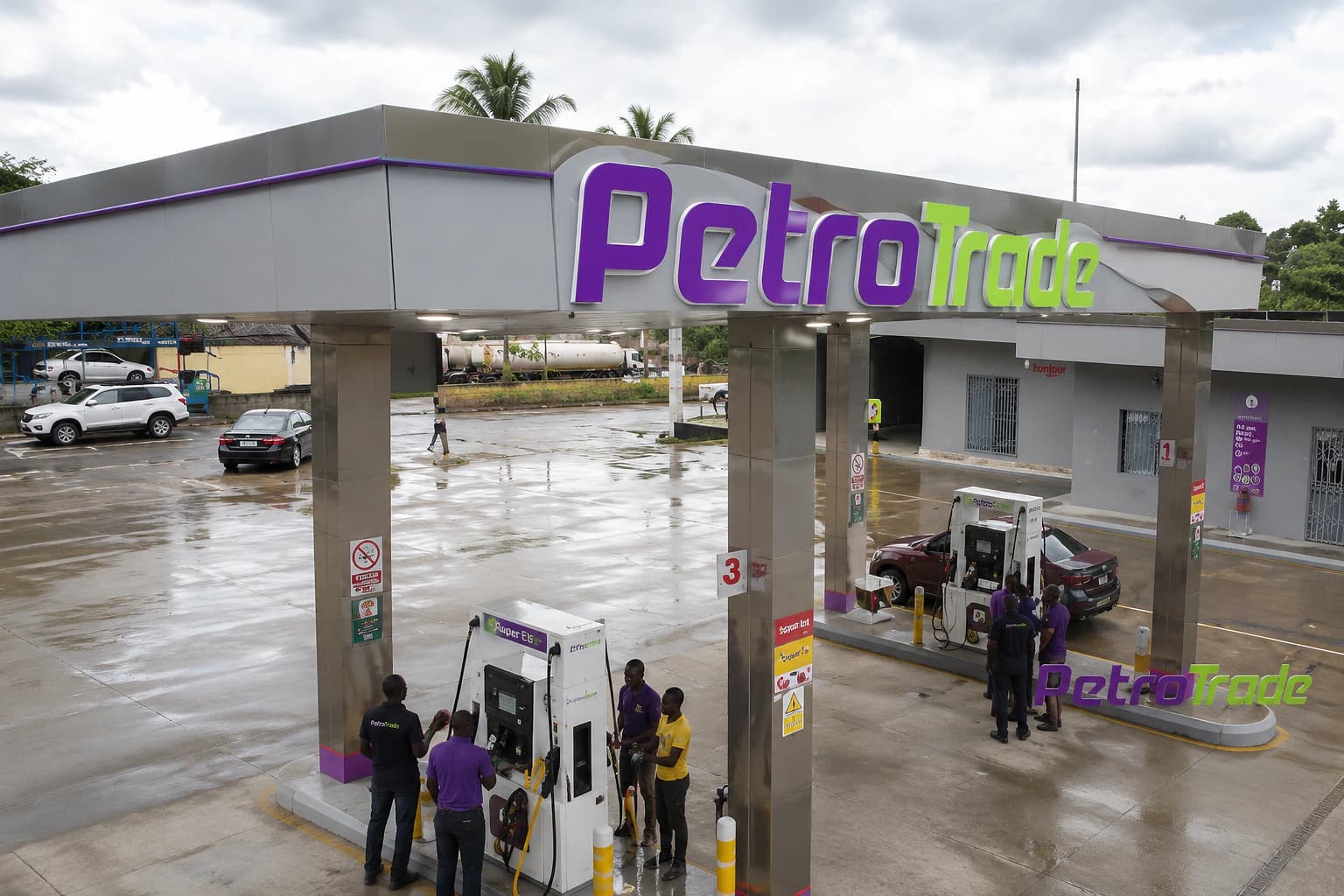
The figures underscore Liberia's deep reliance on imported goods. The country buys most of its fuel, much of its food — including a large share of its rice, the staple — and nearly all of its machinery, vehicles and manufactured products from abroad. That dependence keeps the economy exposed to global prices and to movements in the exchange rate, and it means much of what Liberians consume is priced, ultimately, in US dollars.
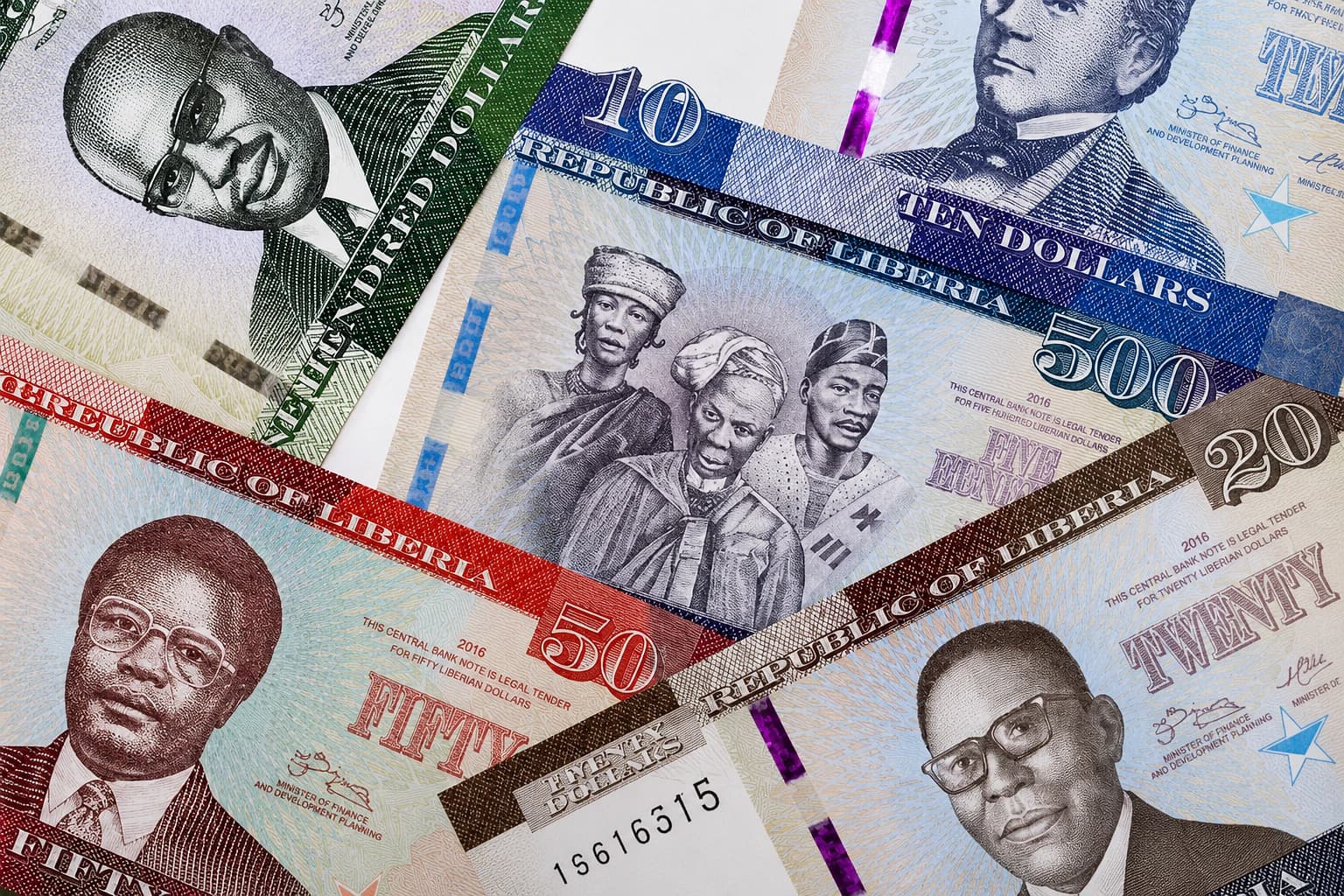
That exposure is the other side of the inflation story. When the Liberian dollar weakens or world fuel prices rise, the cost feeds quickly into domestic prices, as the 12 percent monthly jump in imported-fuel costs in March illustrated. For a dual-currency economy, the import bill is the main channel through which the wider world reaches the Liberian shopper.
Imports are also a major claim on foreign exchange. The dollars earned from gold, iron ore and remittances are spent in large part on bringing goods in, which is why a widening import bill can pressure the currency and reserves even in a year of booming exports.
Rising imports are not only a vulnerability. They can signal stronger domestic demand, investment and construction — fuel, capital goods and inputs that support growth and feed through to sectors like manufacturing and services. The composition matters: imports of machinery and equipment build future capacity, while imports of consumer goods do not.
The sustainable path runs through domestic production and exports: more goods made or grown at home to substitute for imports, and more earned abroad to pay for what must still be brought in. Progress on both — in agriculture, manufacturing and value-added processing — has been slow relative to the pace of import growth.
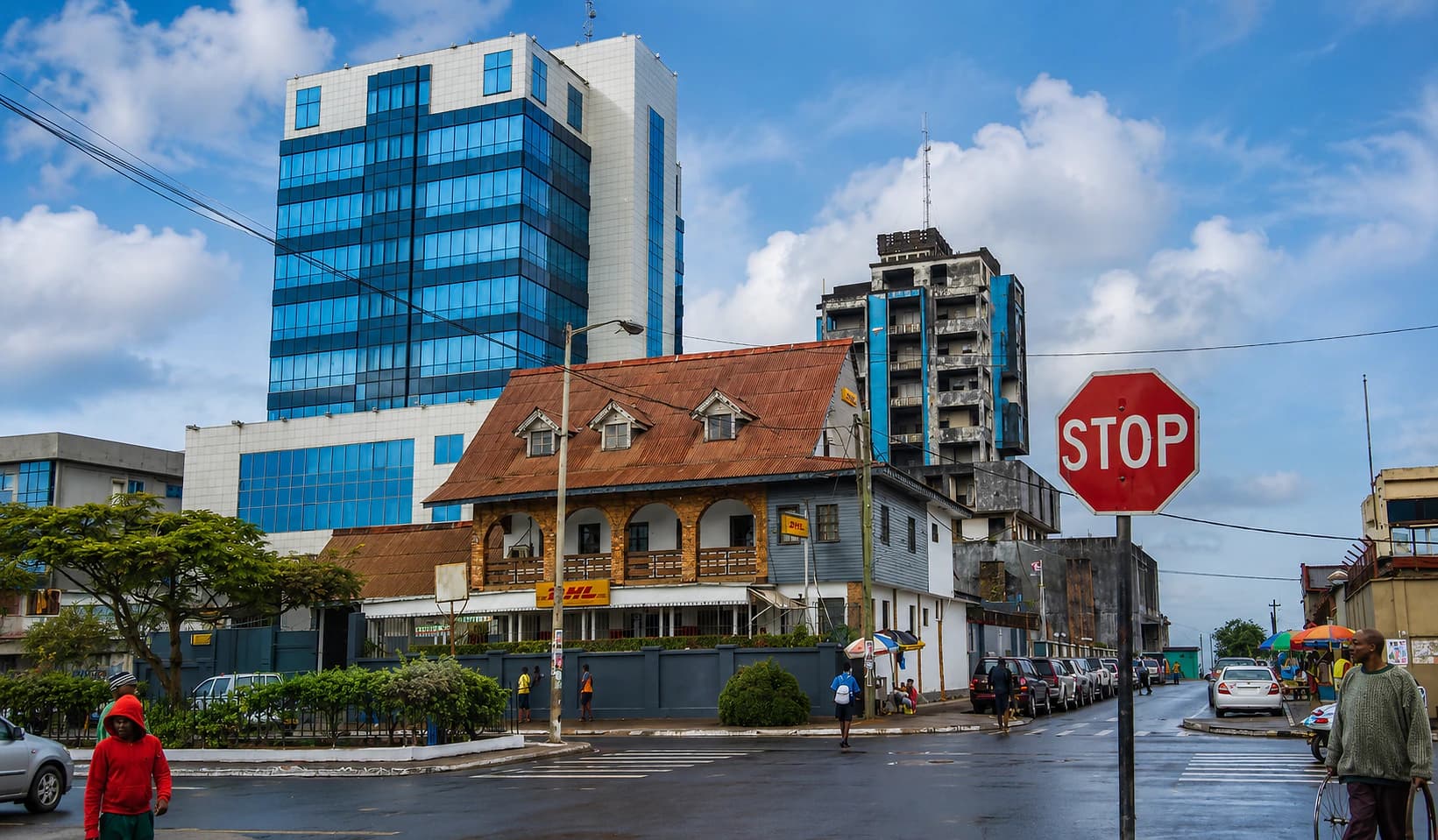
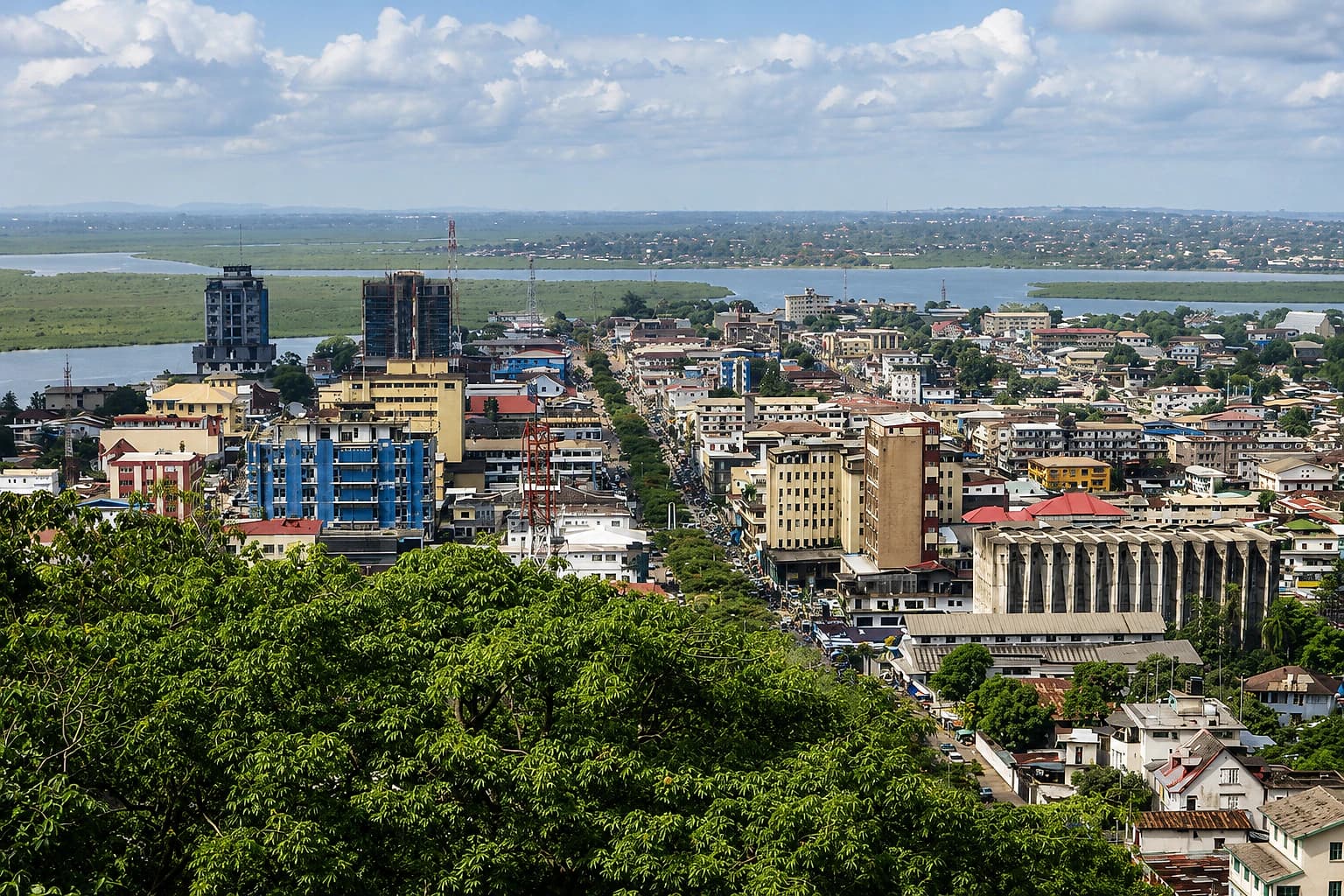
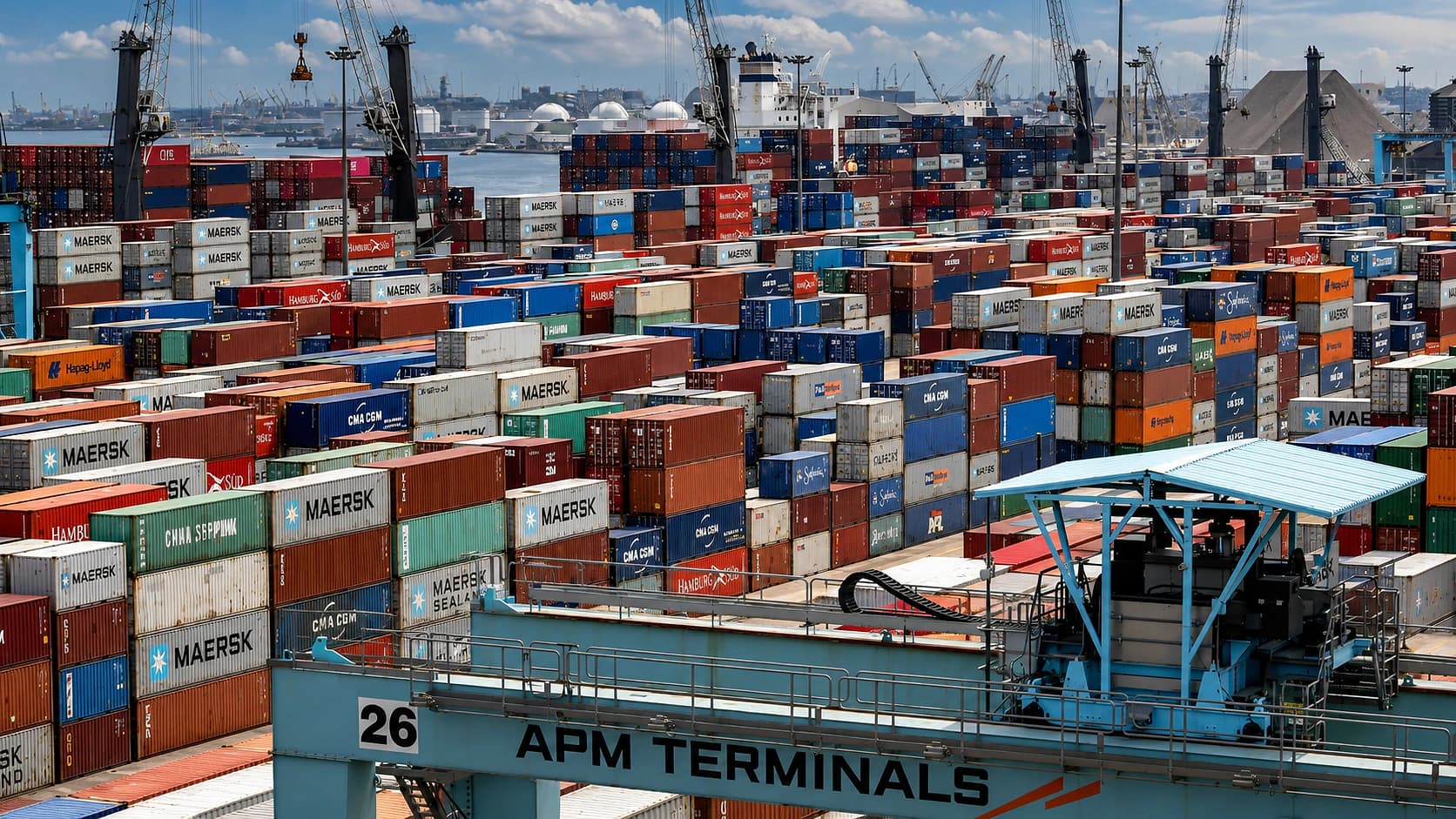
Much of this trade flows through the Freeport of Monrovia, making port efficiency and logistics a direct factor in import costs and, ultimately, in the prices Liberians pay.
What to watch is whether import growth moderates or continues to outpace the economy, whether it reflects productive investment or rising consumption, and how the import bill weighs on the currency and reserves through 2026.