For once, the pressure on Liberian prices is coming from home rather than abroad. The index of imported items was essentially flat over the year to March 2026, up just 0.1%, while domestically produced items rose 5.8%, according to the Liberia Institute of Statistics and Geo-Information Services (LISGIS) via the Central Bank of Liberia.
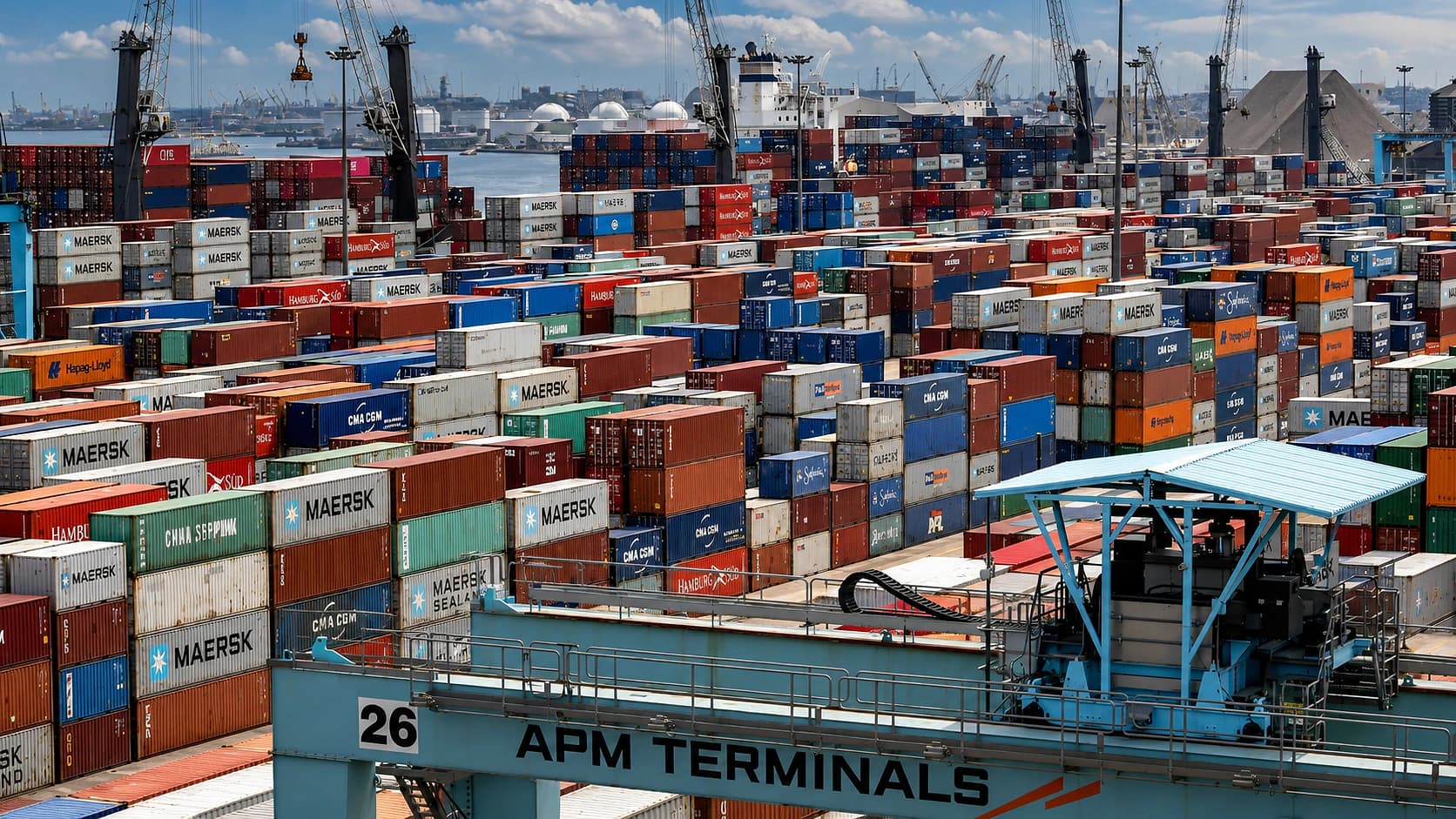
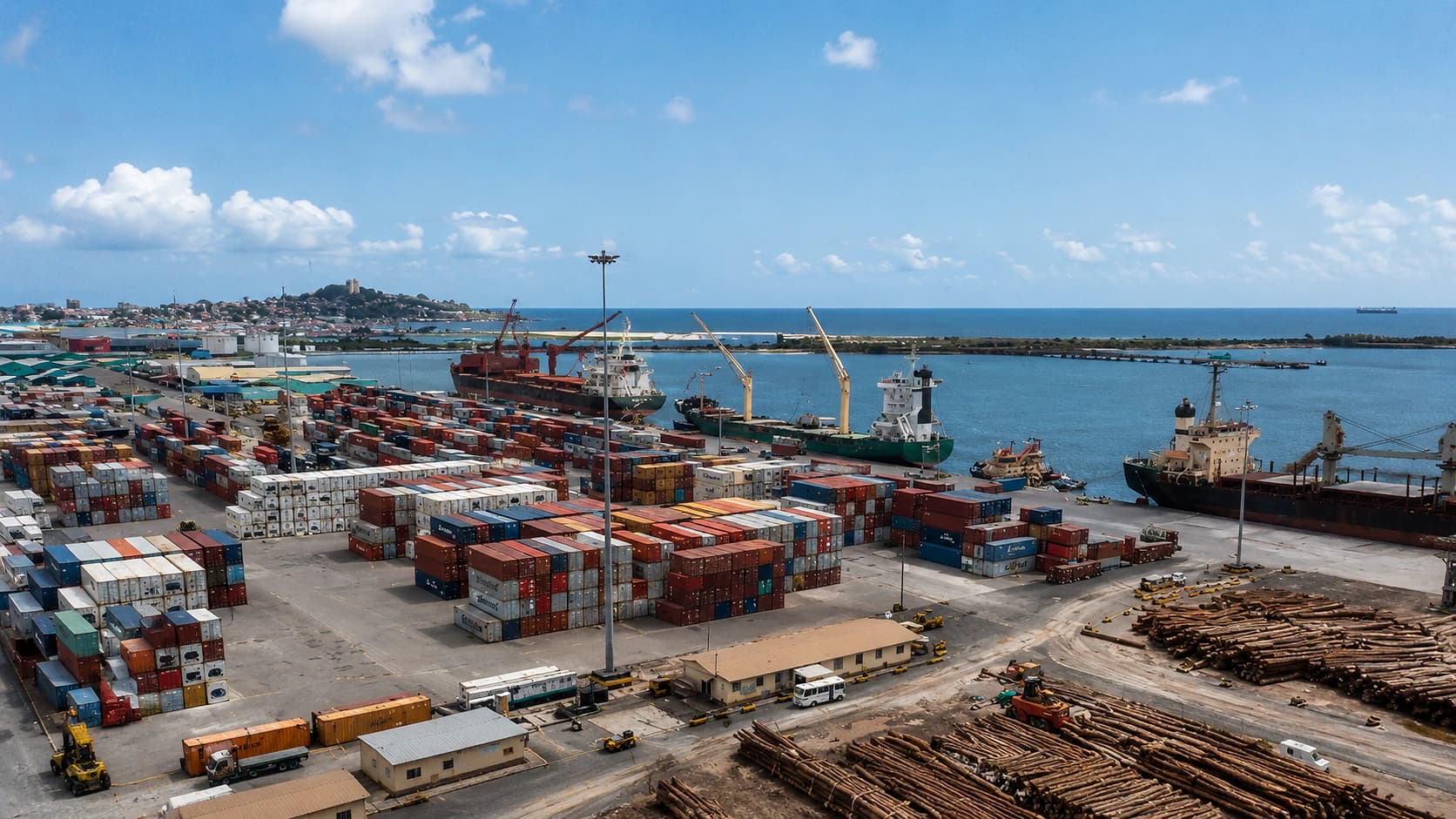
The divergence overturns the usual narrative. In a heavily import-dependent economy, imported goods are normally the engine of inflation, driven up when the Liberian dollar weakens or world prices rise. Over the past year a firmer currency held imported prices flat, leaving home-grown costs as the live source of pressure.
Domestic items reached an index of 956.3 in March against 903.7 a year earlier, while imported items barely moved, at 649.8 from 649.3. The gap reflects two different worlds: imported prices set by global markets and the exchange rate, and domestic prices driven by local wages, transport, energy and supply.
The analytical split between imported and domestic items is one of the more useful cuts in Liberia's price data precisely because it isolates the exchange-rate channel. With the currency doing the work of restraining imported inflation, the question for policymakers becomes how to ease the domestic costs — transport, services, local food distribution — that are now climbing faster.
It also carries a warning. The calm on the imported side depends entirely on the exchange rate holding. Were the Liberian dollar to weaken, imported prices would resume climbing on top of the domestic pressure already in train, pushing the headline rate back up.
For now, the pattern is a relatively benign one: a strong currency offsetting firmer domestic costs to leave headline inflation easing to 4.50%. But the balance is delicate, and it rests on continued export earnings and remittance inflows holding the currency steady.
For policymakers the implication is pointed: the tools that tamed imported inflation, chiefly a managed, stable exchange rate, do little for domestic prices. Easing those requires lowering the structural costs behind them — transport, energy and the inefficiency of getting local goods to market — which is slower, harder work than defending the currency.
What to watch is whether the exchange rate holds imported prices flat, whether domestic cost pressures ease, and how the two sides of the basket balance out in the headline rate through 2026.