While most of Liberia's cost of living edged up over the past year, one category got cheaper: communication prices fell 5.0% in the year to March 2026, to 163.2 from 171.8, according to the Liberia Institute of Statistics and Geo-Information Services (LISGIS) via the Central Bank of Liberia.
Communication — mobile calls, text and data — is one of the few consistently disinflationary items in the Liberian basket, and the decline reflects competition between the country's mobile operators and the falling global cost of data and devices. The category carries a 3.9% weight in the index.
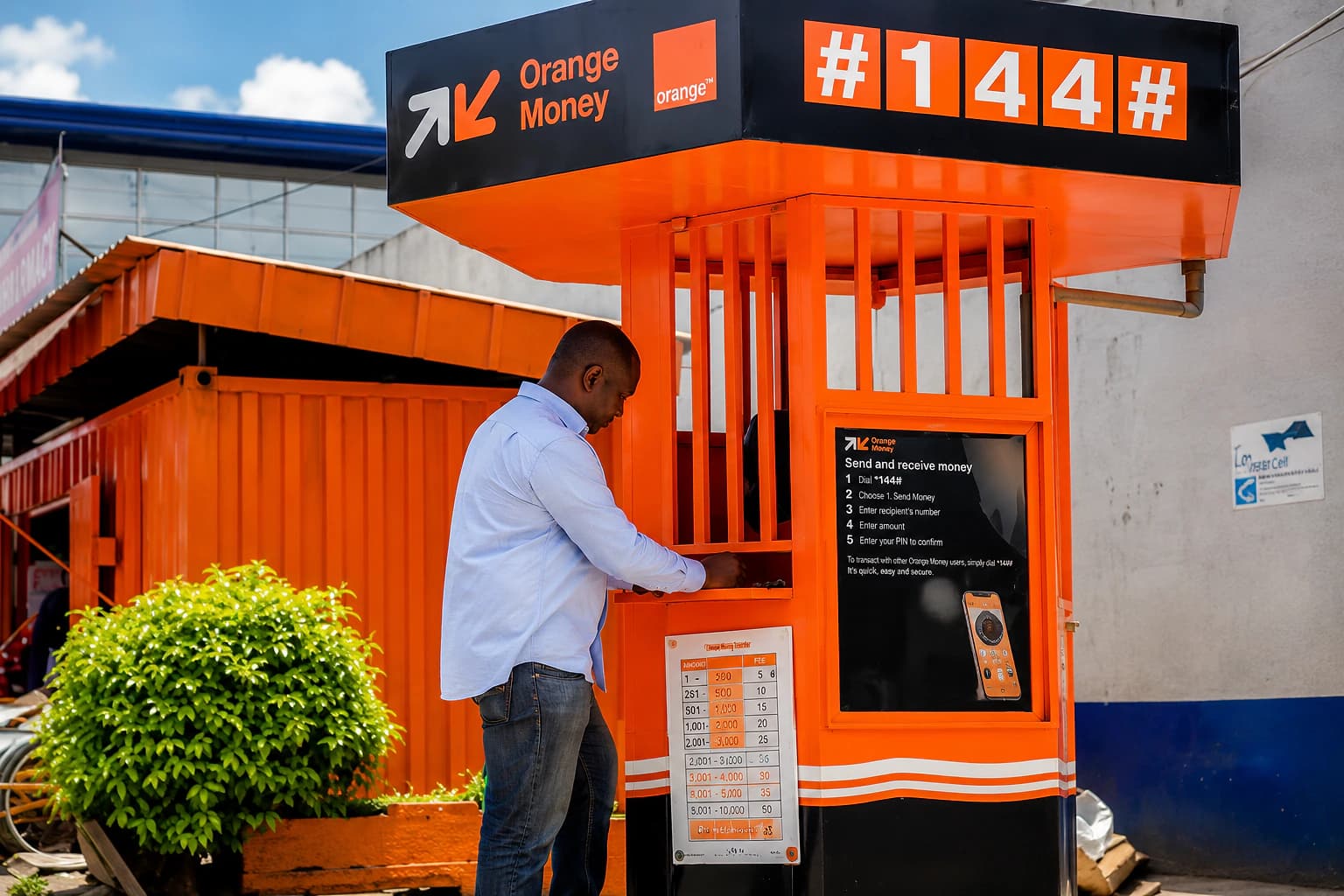
The trend is more than a line in a price table. Cheaper communication lowers the cost of doing business, finding work, sending money and reaching markets, and it underpins the rapid spread of mobile money that is reshaping how Liberians transact. Falling prices widen access in a country where the mobile phone, not the bank branch, is the main financial tool for most people.
Liberia's telecom market is served principally by two operators, and price competition between them, alongside investment in network coverage, has pushed the cost of voice and data down over time even as usage has climbed. The launch in December 2025 of an interoperable instant-payment system linking the mobile-money networks adds to the momentum behind digital services.
Cheaper communication is a quiet driver of inclusion. As data costs fall, more Liberians can reach the internet, use digital payments and access information and services that were previously out of reach, with knock-on benefits for commerce, education and the transmission of remittances.
The gains are uneven. Network coverage and electricity to charge devices remain thin in rural areas, and affordability is relative in a low-income economy, so the benefits of falling prices accrue fastest in and around Monrovia.
Liberia's market is served principally by two mobile operators, and the rivalry between them — on price, data bundles and network reach — has done more to lower communication costs than any single policy. Each extension of coverage and each cheaper data plan pulls more Liberians onto the network, and onto the mobile-money rails that increasingly carry the country's payments.
What to watch is whether competition keeps prices falling, whether coverage expands into underserved areas, and how cheaper communication accelerates the shift to digital payments and services.