
Liberia's budget is running on what the country collects from its own taxpayers. Tax revenue totaled about US$187.3 million in the first quarter of 2026 — US$67.3 million in January, US$60.5 million in February and US$59.5 million in March — while grants recorded in the monthly fiscal data stood at zero throughout, according to the Central Bank of Liberia (CBL) and Ministry of Finance figures.
Tax revenue is the backbone of the national budget, funding salaries, services and what little capital investment the government manages. First-quarter collection ran above the US$53.3 million recorded in March 2025, a sign of steady if unspectacular improvement in domestic resource mobilization.
The absence of recorded grants is striking. For much of the post-war period, donor grants financed a substantial share of Liberia's budget, particularly its capital spending. A monthly series showing nil grants suggests either a shift toward self-financing or, more likely, that grant inflows are recorded elsewhere or disbursed irregularly rather than month to month — a distinction worth confirming with the authorities.
Either way, the reliance on domestic taxes is a double-edged position. Self-financed budgets are more sustainable and less exposed to the whims of donors, but Liberia's tax base is narrow, concentrated on a formal economy that is small relative to the informal sector, and on trade and a handful of large taxpayers in mining and services.
Broadening the base is the long-running challenge. Much economic activity takes place in cash and outside the tax net, collection is uneven, and the Liberia Revenue Authority has worked to widen compliance and digitize payments. Each gain in collection eases, at the margin, the squeeze on spending and the need to borrow.
The figures also explain the budget's volatility. With revenue lumpy and grants not flowing month to month, the treasury spends largely as receipts arrive, producing the sharp swings visible in monthly expenditure.
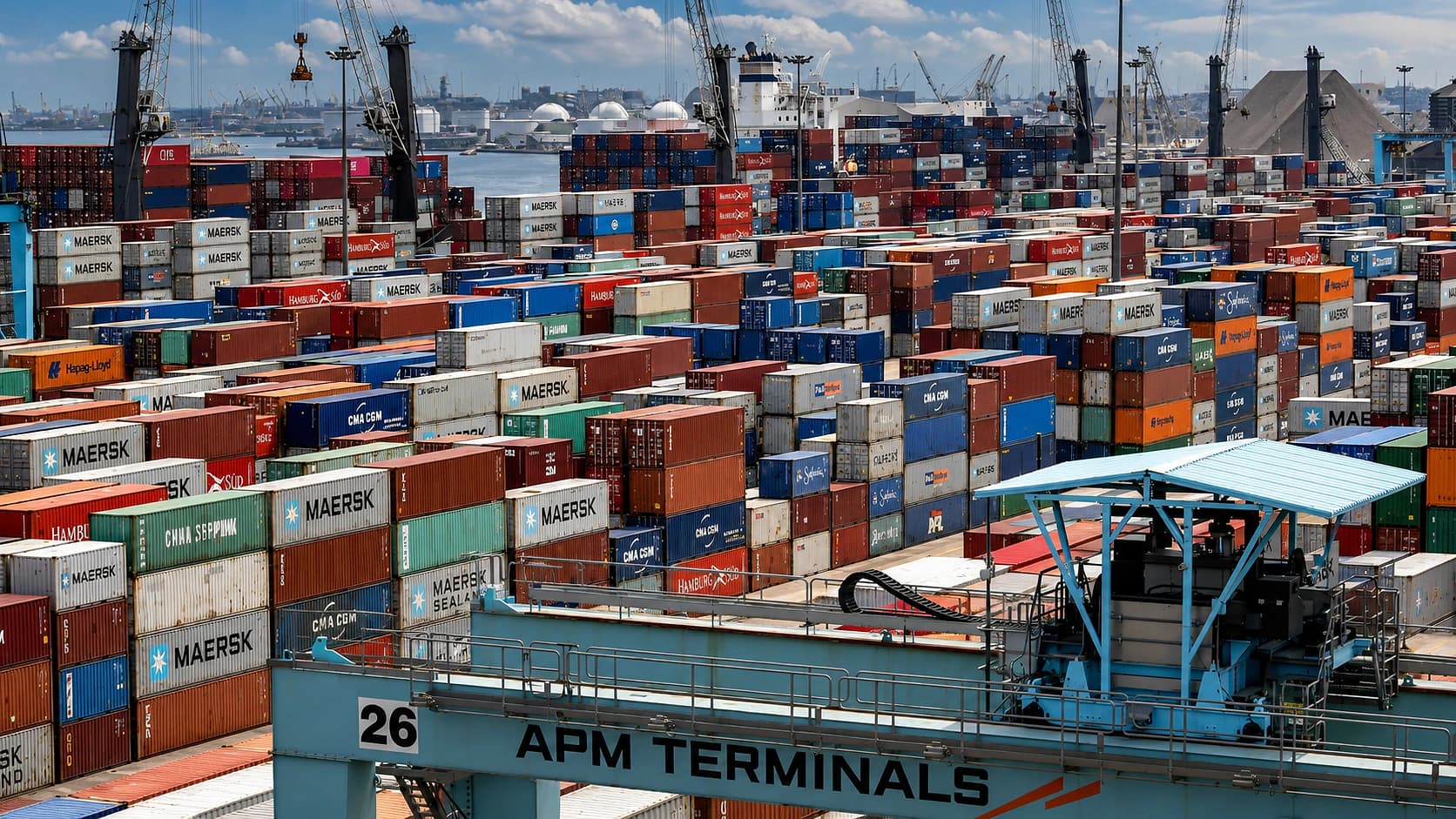
Trade taxes and a handful of large taxpayers in mining, telecoms and banking carry much of the load, which makes collection sensitive to commodity cycles and to the fortunes of a few firms. Widening the net to the informal economy, where most activity and many transactions sit beyond the tax authority's reach, is the slow structural work that would make revenue both larger and steadier.
What to watch is whether tax collection keeps rising through 2026, how grant and concessional financing are actually recorded, and whether a wider tax base can make revenue — and therefore spending — more predictable.