The cost of eating out and staying away from home rose sharply in Liberia over the past year. The restaurants and hotels index climbed 14.8% in the year to March 2026, to 1,634.7 from 1,423.8, according to the Liberia Institute of Statistics and Geo-Information Services (LISGIS) via the Central Bank of Liberia — the fastest rise of any major category in the consumer basket.
That makes prepared meals and lodging a leading source of price pressure, and a heavy one: the category carries a 17.1% weight in the index, the second-largest after food itself. Its rapid rise helps explain why core inflation has stayed firmer than the cooling headline rate.
The increase reflects the costs that go into a restaurant meal or a hotel night: ingredients, wages, rent, electricity and the generator fuel that powers many establishments. Even as raw food prices have been mild, the labor, energy and overhead costs of serving food and lodging have climbed, and those feed through to the prices customers pay.
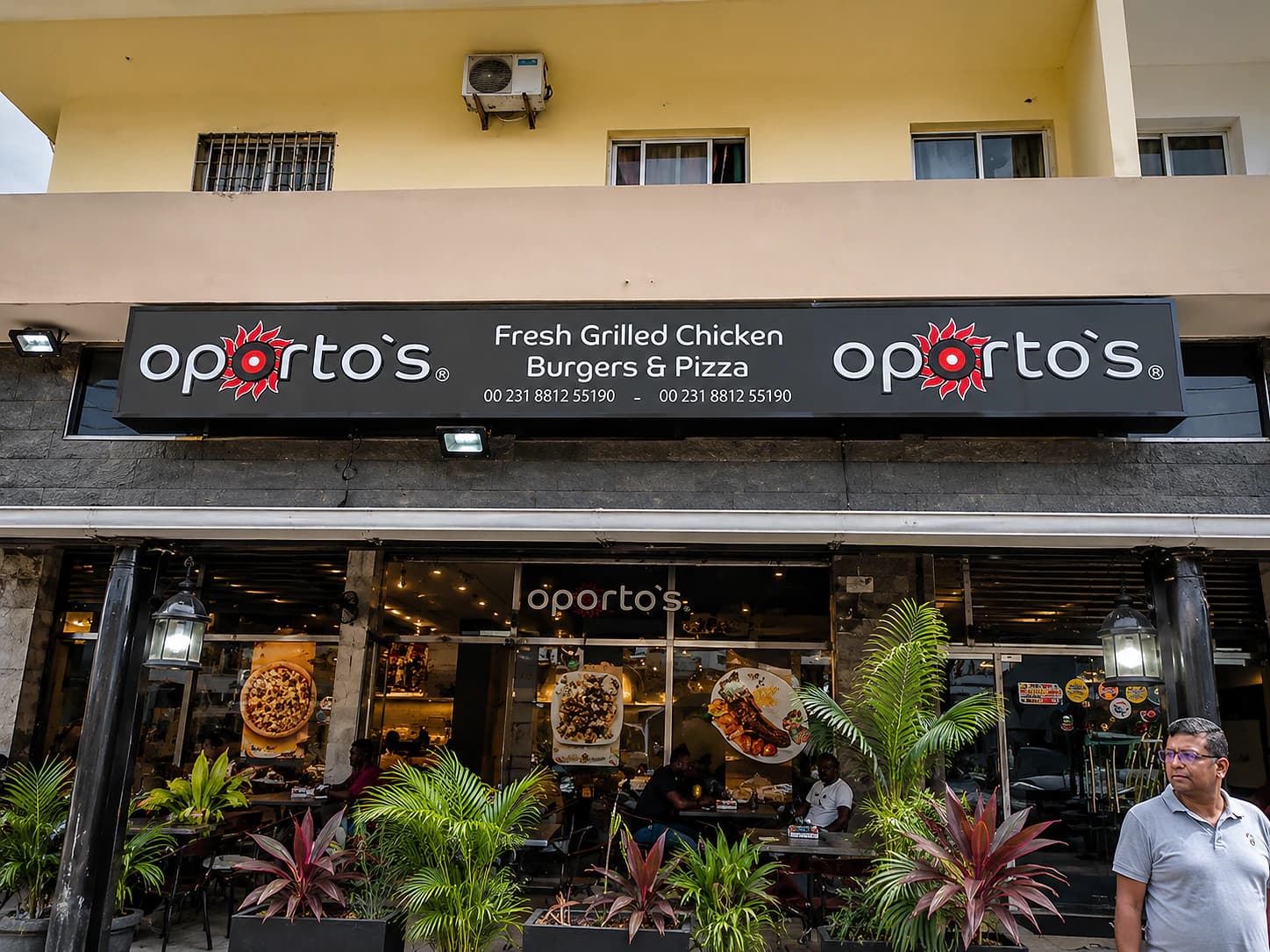
The category captures more than tourism. In Liberia it spans the cookshops, street vendors and local eateries where many urban workers buy daily meals, as well as the hotels and guesthouses that serve business travelers and visiting officials. A 15% rise therefore touches everyday spending, not just discretionary outings.
The index rose in steps through 2025 and into 2026, with little of the give-back seen in volatile food prices. That persistence is characteristic of services inflation, which tends to be stickier than goods prices because it is driven by wages and overheads rather than by import costs that ease when the currency strengthens.
The trend has implications for monetary policy. Sticky services prices like these are part of why the central bank has kept its policy rate at 16.25% even as headline inflation has fallen, wary that underlying pressure has not fully receded.
Because the category is dominated by wages and energy rather than imported goods, a stronger currency does little to relieve it — the relief that has cooled food and imported prices simply does not reach the cookshop or the hotel kitchen. That makes restaurant and hotel costs a clean example of the home-grown pressure now driving Liberian inflation.
What to watch is whether services costs keep climbing, whether wage and energy pressures ease, and how sticky restaurant and hotel prices keep core inflation above the headline rate.