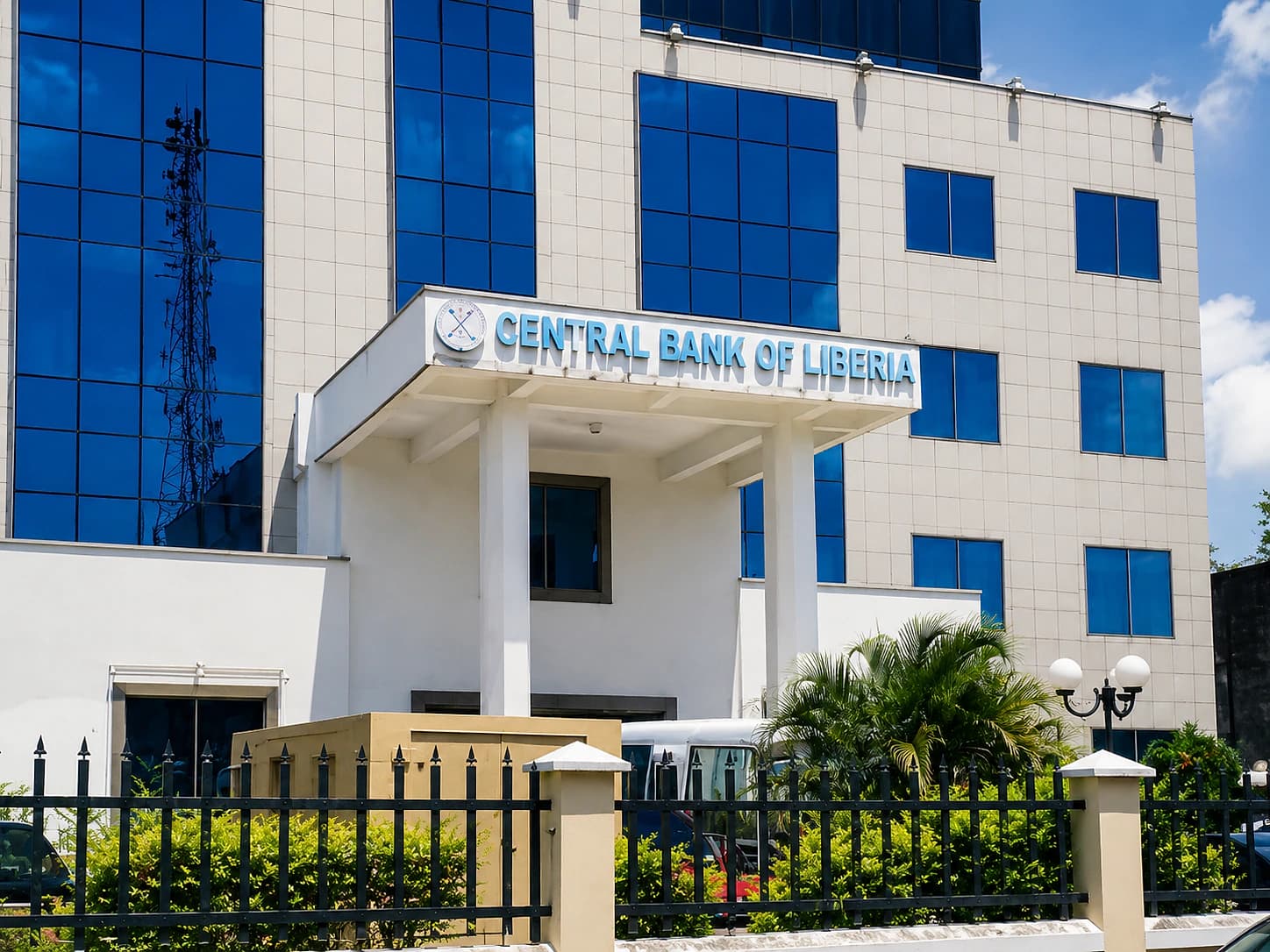
Liberia recorded a current-account surplus of about US$77 million in 2025, summed across its four quarters, according to balance-of-payments data published by the Central Bank of Liberia (CBL) — an unusual position for an economy that runs persistent merchandise trade deficits.
The current account measures a country's transactions with the rest of the world in goods, services, income and transfers. A surplus means Liberia took in more than it paid out over the year. In the fourth quarter alone the surplus was US$79.2 million, down from US$96.2 million in the same quarter of 2024.
What held the balance positive was secondary income — largely remittances from Liberians abroad, along with grants — which totaled US$941 million across 2025, up from US$885 million a year earlier. That inflow more than offset deficits everywhere else in the accounts.
Those deficits were real. The goods balance ran a shortfall of about US$281 million for the year as imports outpaced exports, services ran a deficit, and primary income, which includes investment returns paid abroad, subtracted further. The overall balance of payments, which also captures capital and financial flows, recorded a surplus of about US$137 million for 2025.
Here the national and international pictures part ways. The World Bank estimates Liberia ran a current-account deficit near 6.5 percent of GDP in 2025 — a sharply different conclusion from the CBL's modest surplus. The gap reflects differences in methodology, coverage and the treatment of items such as transfers and trade, and it is a case where, by TrueRate's standard, both figures are reported rather than one silently chosen.
The reliance on transfers is itself the headline. Remittances are a structural pillar of the Liberian economy, supporting household consumption and providing a steadier source of foreign exchange than commodity exports. They are also what stands between Liberia's external accounts and a deficit.
The risk is concentration. If remittance inflows weaken, or if the goods deficit widens further as imports grow, the thin surplus the CBL reports could flip into deficit — bringing the national figures closer to the World Bank's view and putting more weight on reserves and the exchange rate.
What to watch is whether transfer inflows hold up through 2026 and whether the goods deficit stabilizes or continues to widen as the economy and its appetite for imports grow.