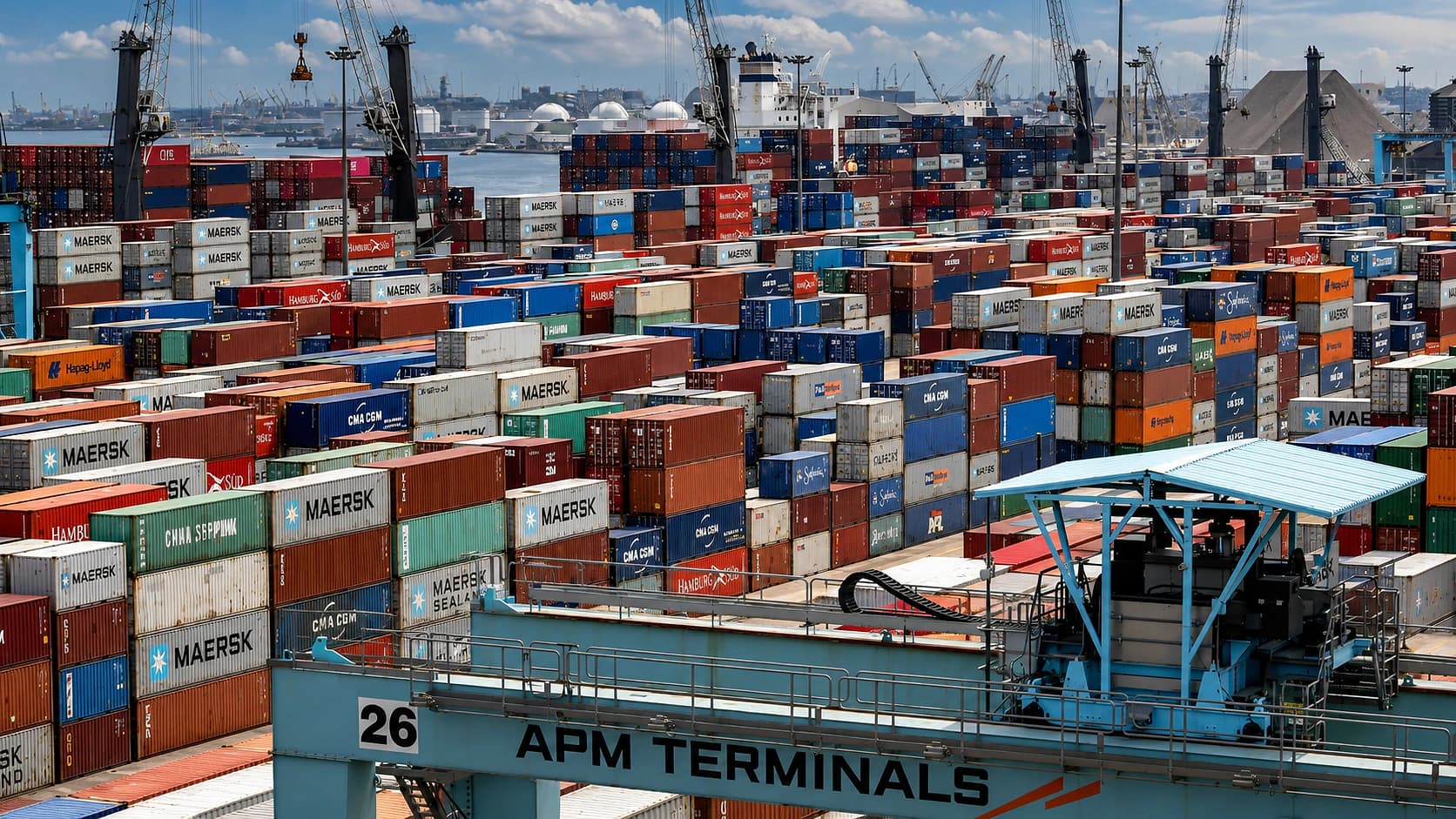
Liberia's total exports rose 57.9 percent to US$2.07 billion in 2025, from US$1.31 billion a year earlier, driven by surging gold and iron-ore shipments, according to data published by the Central Bank of Liberia (CBL).
Imports rose almost as fast, up 55.4 percent to US$2.35 billion from US$1.51 billion, leaving a merchandise trade deficit of about US$281 million for the year — wider than the roughly US$202 million gap in 2024. For an economy that imports most of its fuel, food, machinery and manufactured goods, the trade balance is a standing structural deficit that export booms narrow but rarely close.
The momentum carried into 2026. In March, monthly exports reached US$263.3 million, up 73.8 percent from a year earlier, while imports on a cost-insurance-freight basis climbed to US$328.8 million.
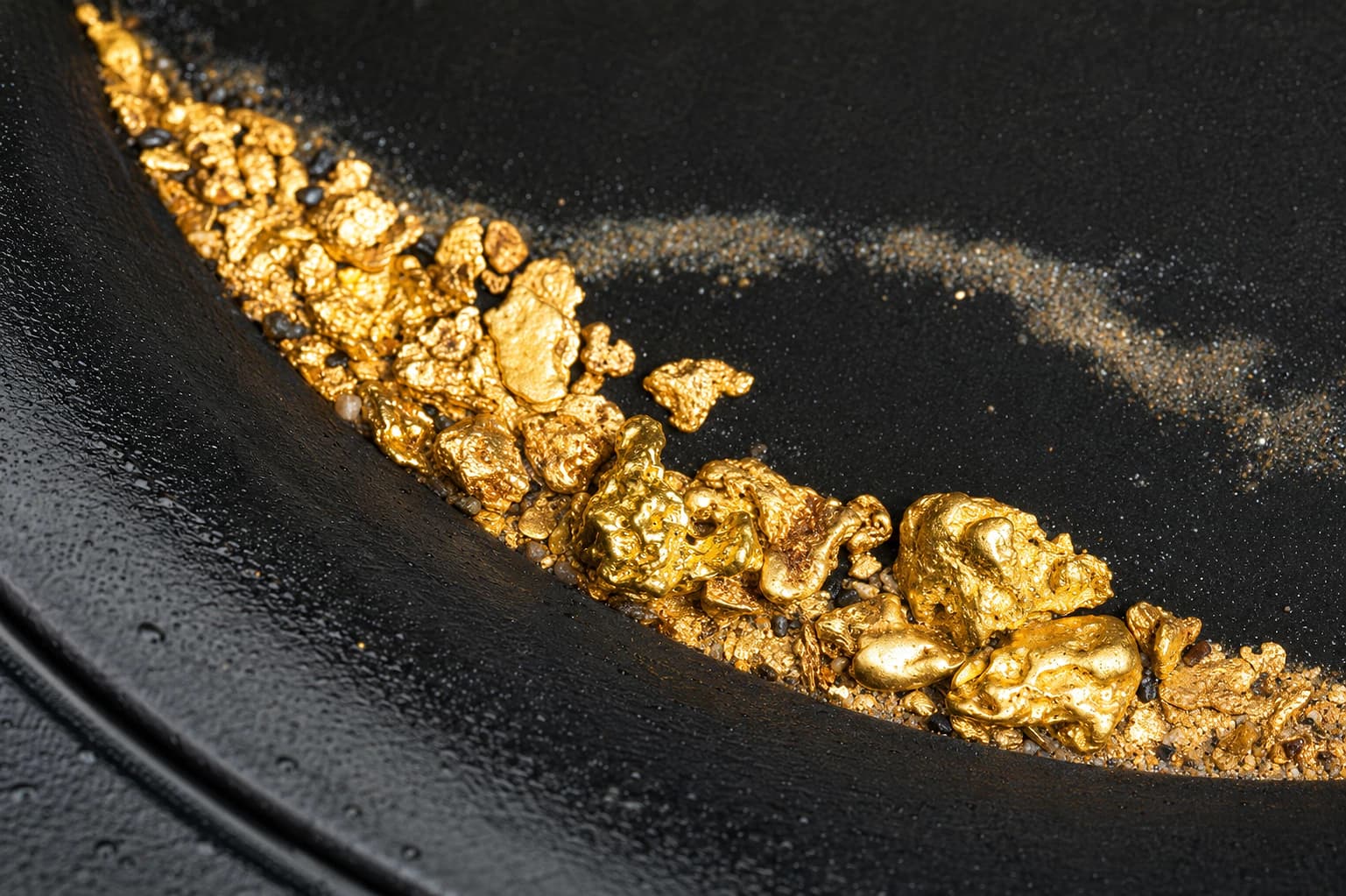
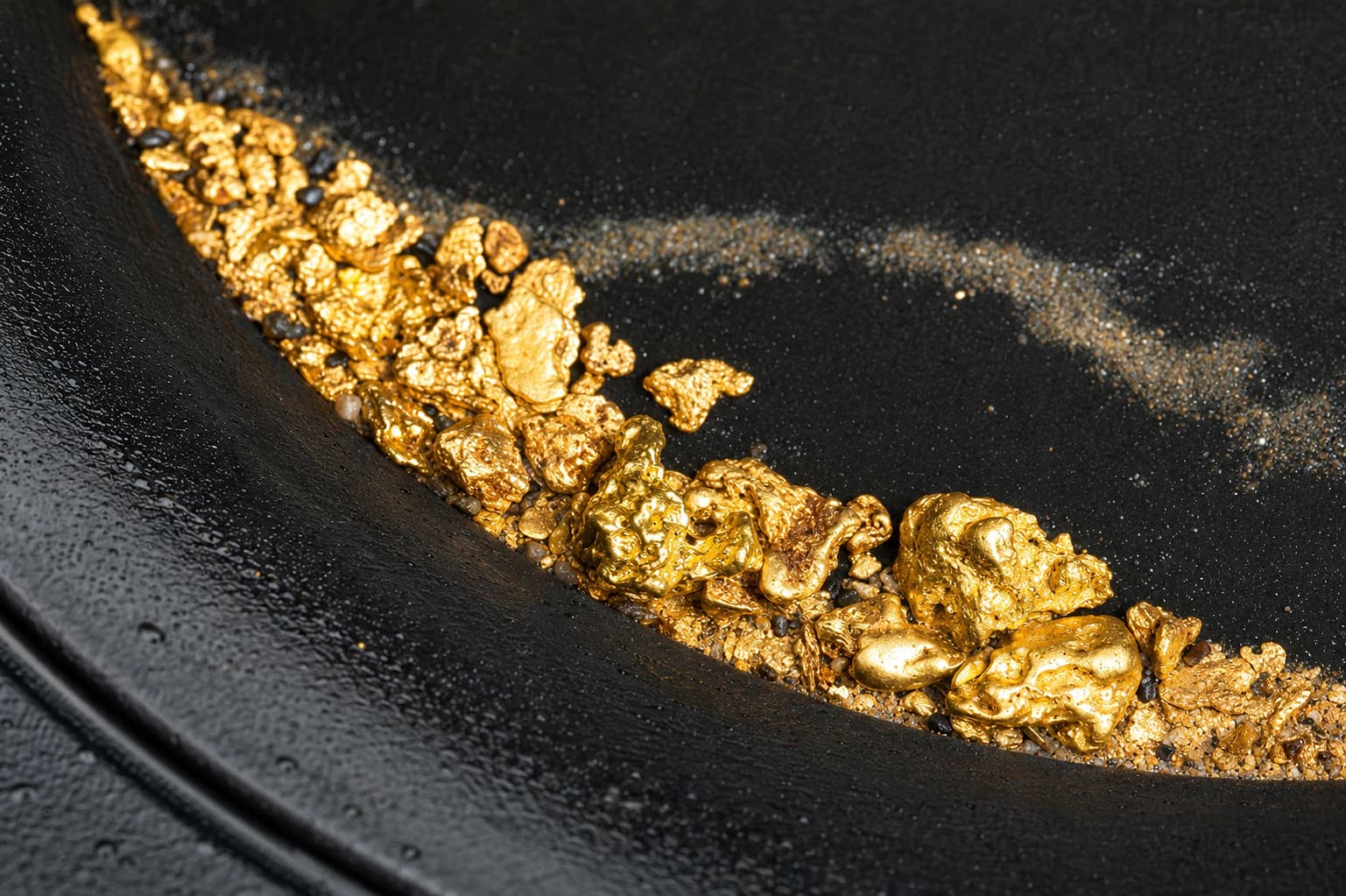
Gold has become the story. Gold export receipts reached US$175.1 million in March 2026, more than double the US$82.7 million of a year earlier — a rise of about 112 percent — and more than twice the value of iron-ore exports at US$68.6 million. The shift has reordered Liberia's export base, long dominated by iron ore, around the precious metal. Iron-ore earnings themselves rose 46.90 percent over the year.
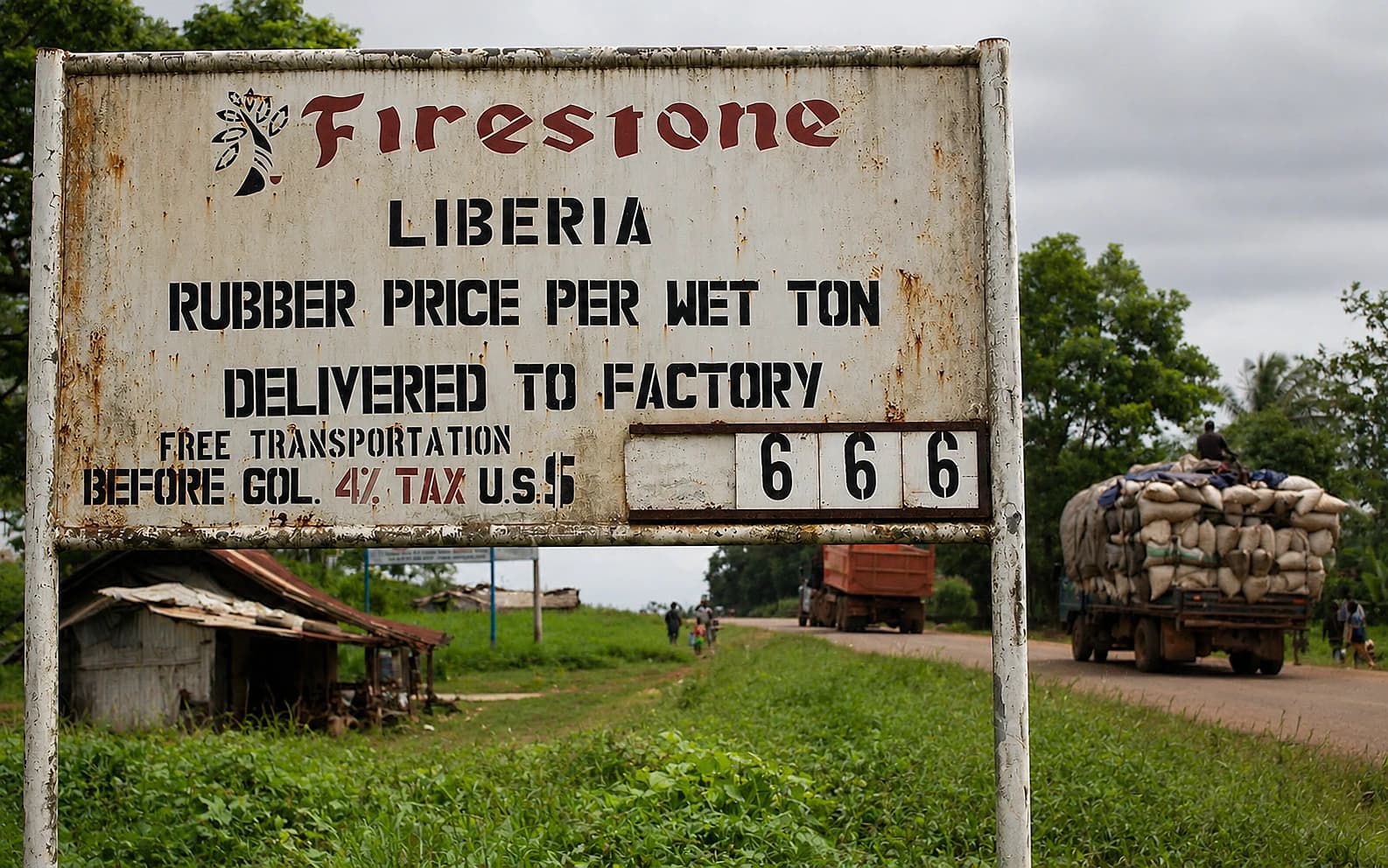
Not every commodity shared in the boom. Rubber export earnings fell about 54 percent in March from a year earlier, to US$7.1 million, and cocoa receipts remained negligible, underlining how unevenly the gains have spread across Liberia's traditional cash crops.
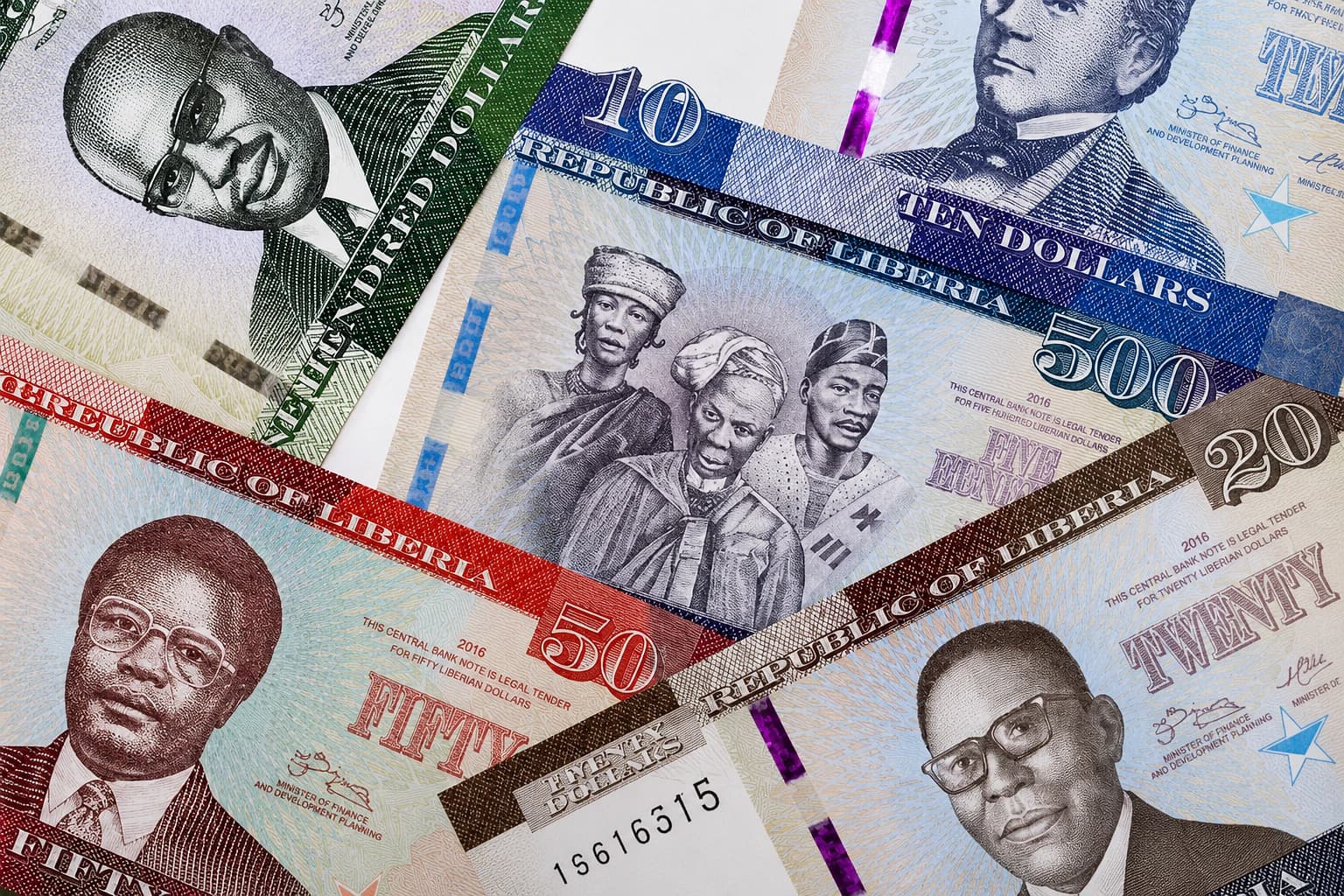
The concentration is a double-edged outcome. A handful of minerals now generates the bulk of Liberia's foreign-exchange earnings, supporting the currency and reserves but leaving export revenue — and with it government receipts and the exchange rate — exposed to global commodity prices set far from Monrovia.
There is a notable wrinkle in the external accounts. Despite the widening goods deficit, Liberia's current account ran a small surplus on the CBL's full-year balance-of-payments data, sustained by remittance inflows — even as the World Bank estimates a current-account deficit near 6.5 percent of GDP. The divergence reflects differences in methodology and coverage between the national and international figures.
What to watch is whether gold and iron-ore strength holds through 2026, and whether import growth keeps pace and widens the trade gap further.