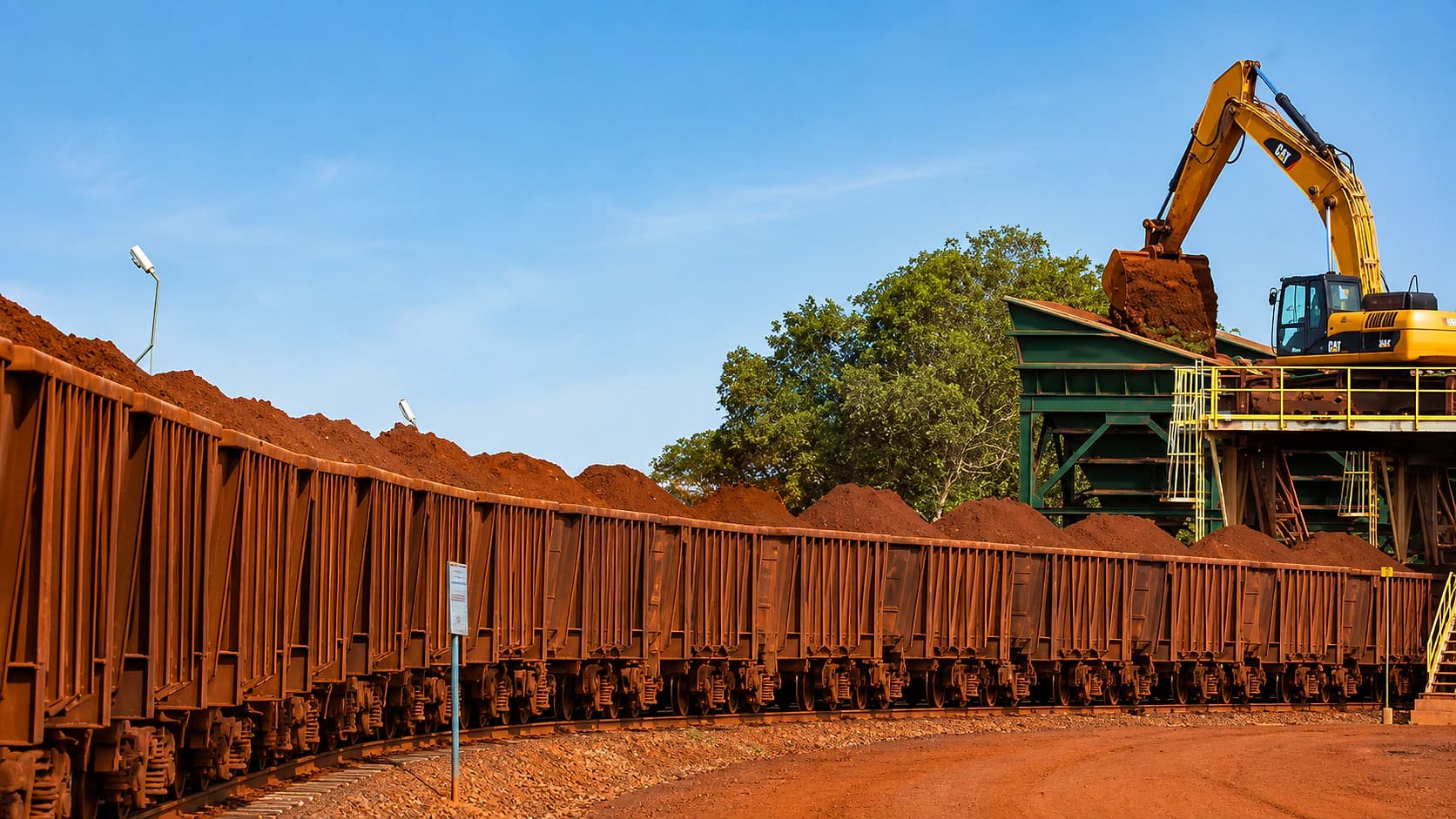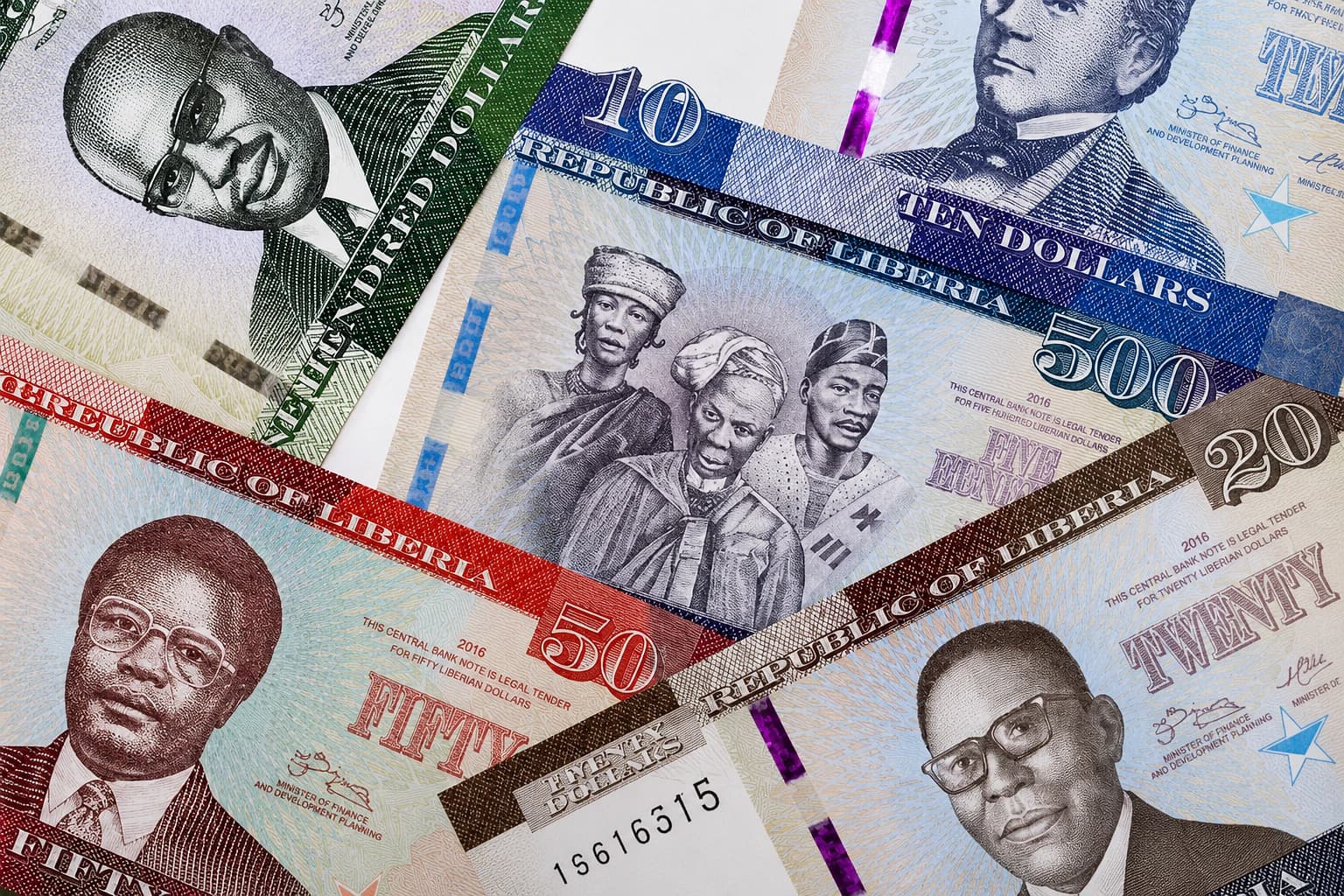
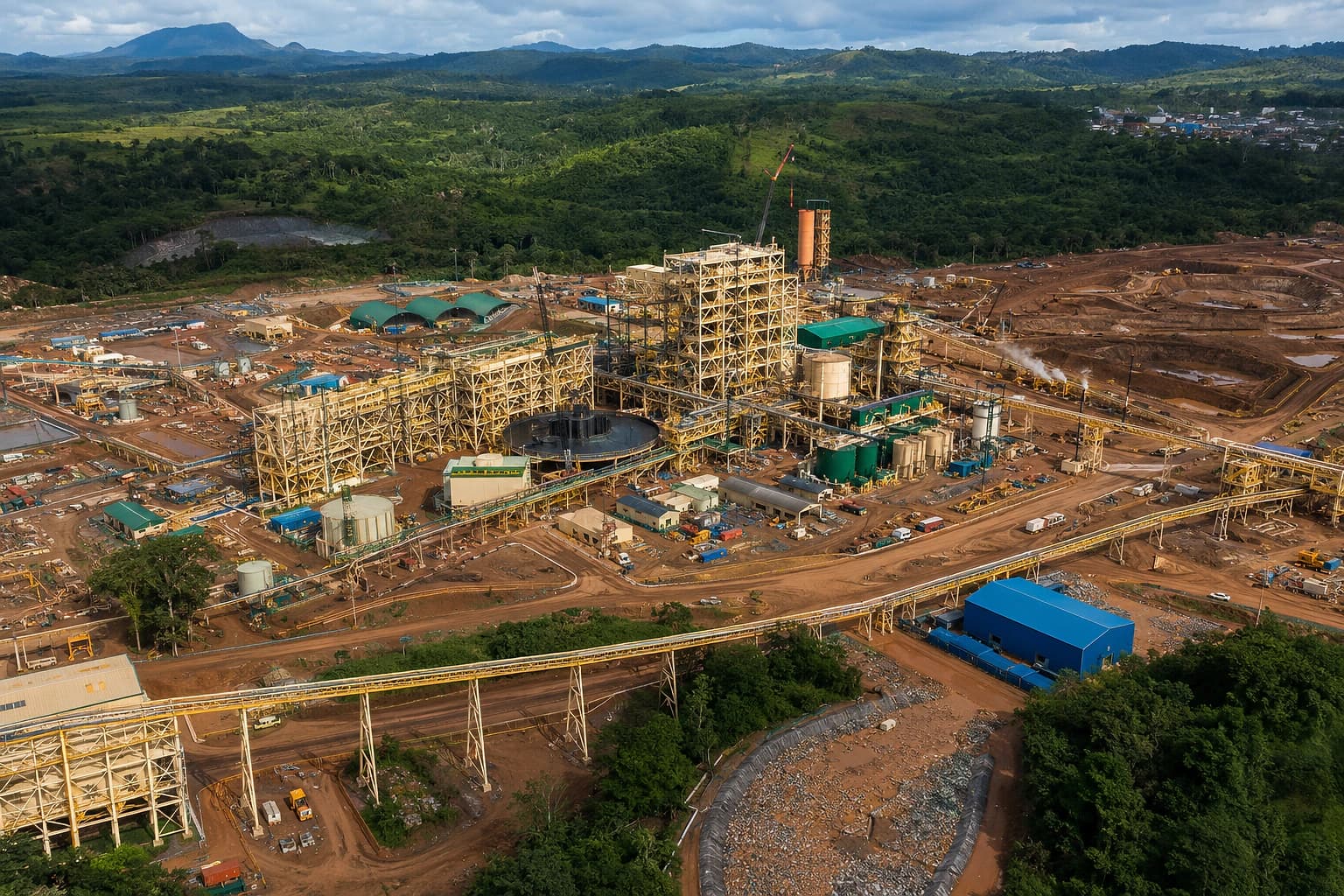
The value of Liberia's mining and panning output rose 23 percent to US$1.02 billion in 2025, from US$827 million a year earlier, according to national accounts data from the Liberia Institute of Statistics and Geo-Information Services (LISGIS). Crossing the billion-dollar mark made mining, for the first time in years, a clear pillar of the economy rather than one sector among several.
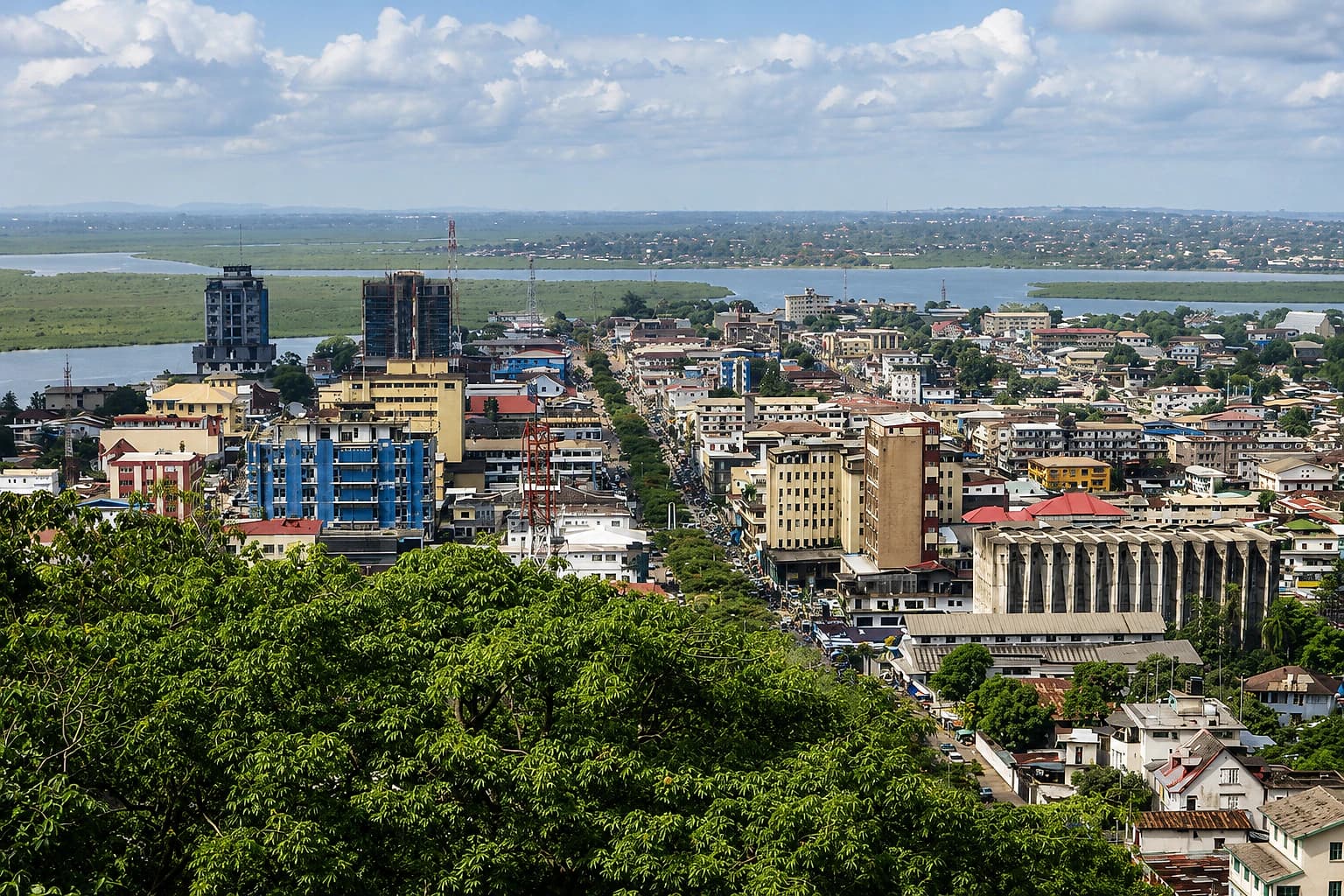
At that level, mining accounted for roughly a fifth of Liberia's US$5.16 billion economy and was the single biggest contributor to the year's growth, outpacing every other sector in percentage terms. In real, inflation-adjusted terms, mining output grew about 6 percent — faster than services, agriculture or the economy as a whole.
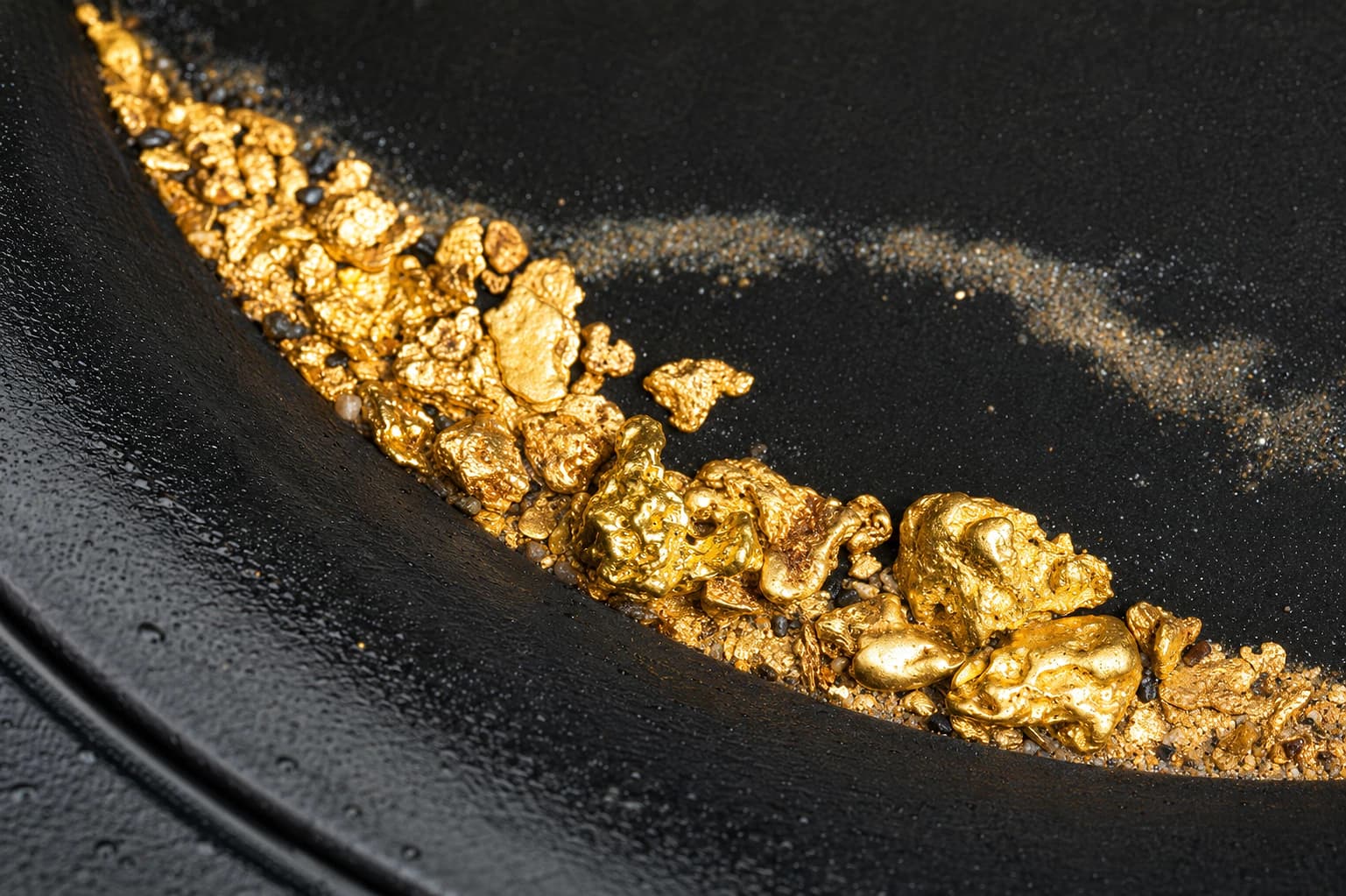
The expansion was led by iron ore and gold, whose output and export values both rose strongly through 2025 and into early 2026. Gold in particular has surged, overtaking iron ore as the country's top export earner by value, while diamonds add a smaller contribution. The World Bank has estimated mining growth even higher, near 17 percent for 2025, calling it the main driver of the year's expansion — one of several points where international and national figures differ in magnitude while agreeing on direction.
Mining's growing weight is a double-edged outcome. It brings foreign-exchange earnings that support the currency and reserves, and government revenue through royalties, taxes and fees. It has powered the fastest growth in three years. But it also concentrates the economy's fortunes in a sector exposed to global commodity prices and dominated by a small number of large operators, alongside an informal artisanal segment that is harder to tax.
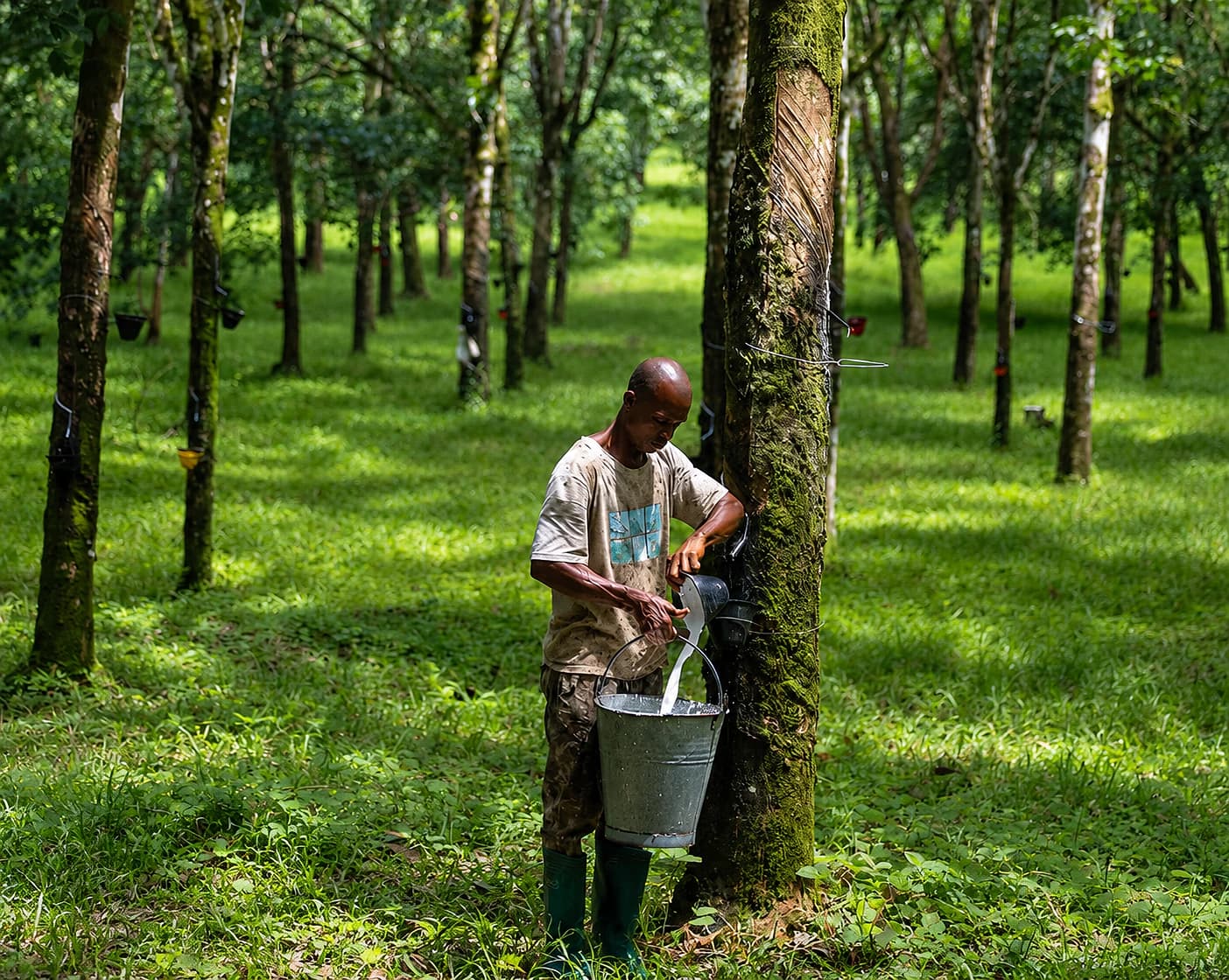
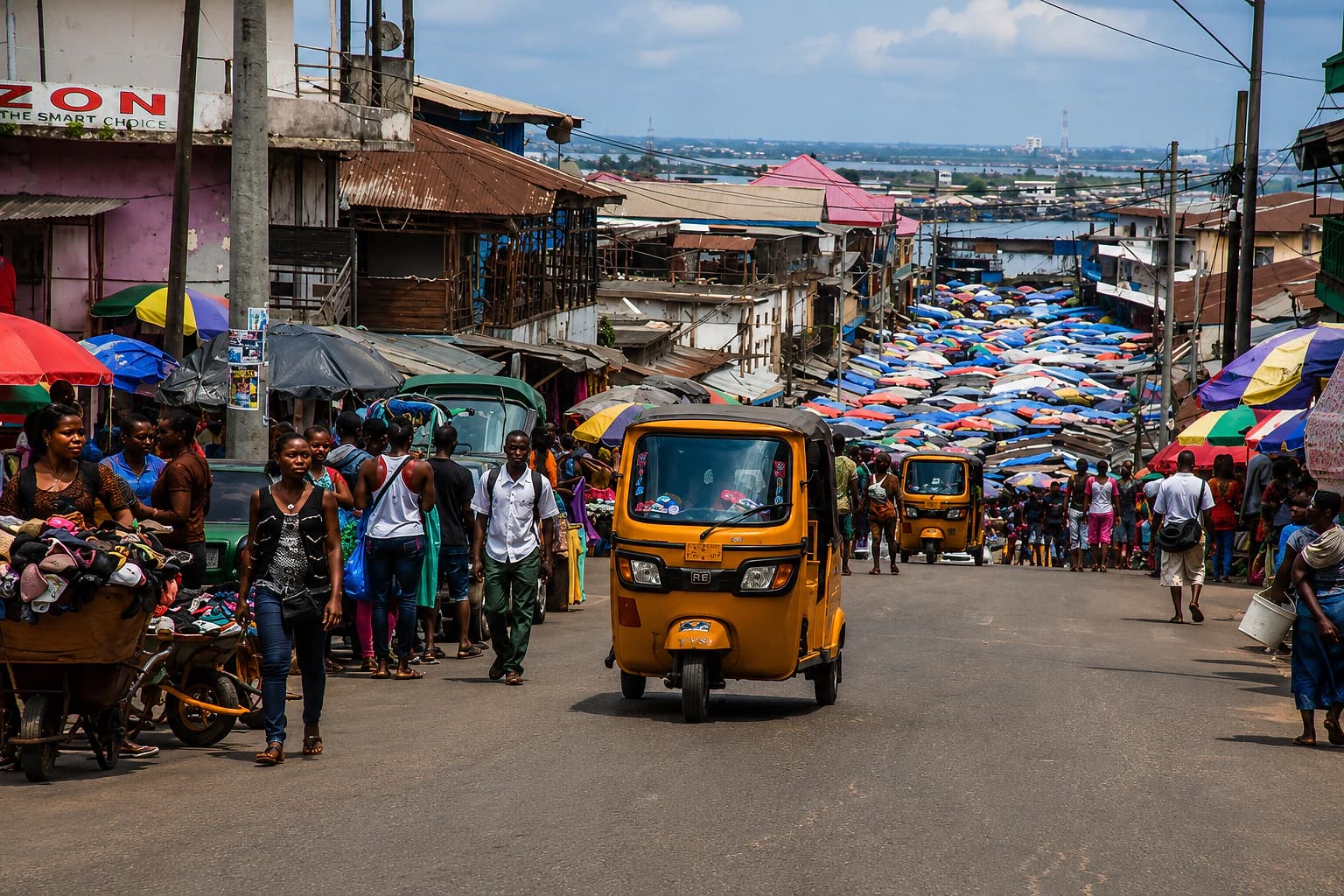
The distributional question is the hard one. Mining is capital-intensive and employs relatively few Liberians directly, compared with agriculture, which occupies most of the workforce but grew far more slowly in 2025. Growth concentrated in the mining enclave does not automatically translate into broad-based improvements in living standards — a pattern visible across resource-rich economies and long evident in Liberia itself.
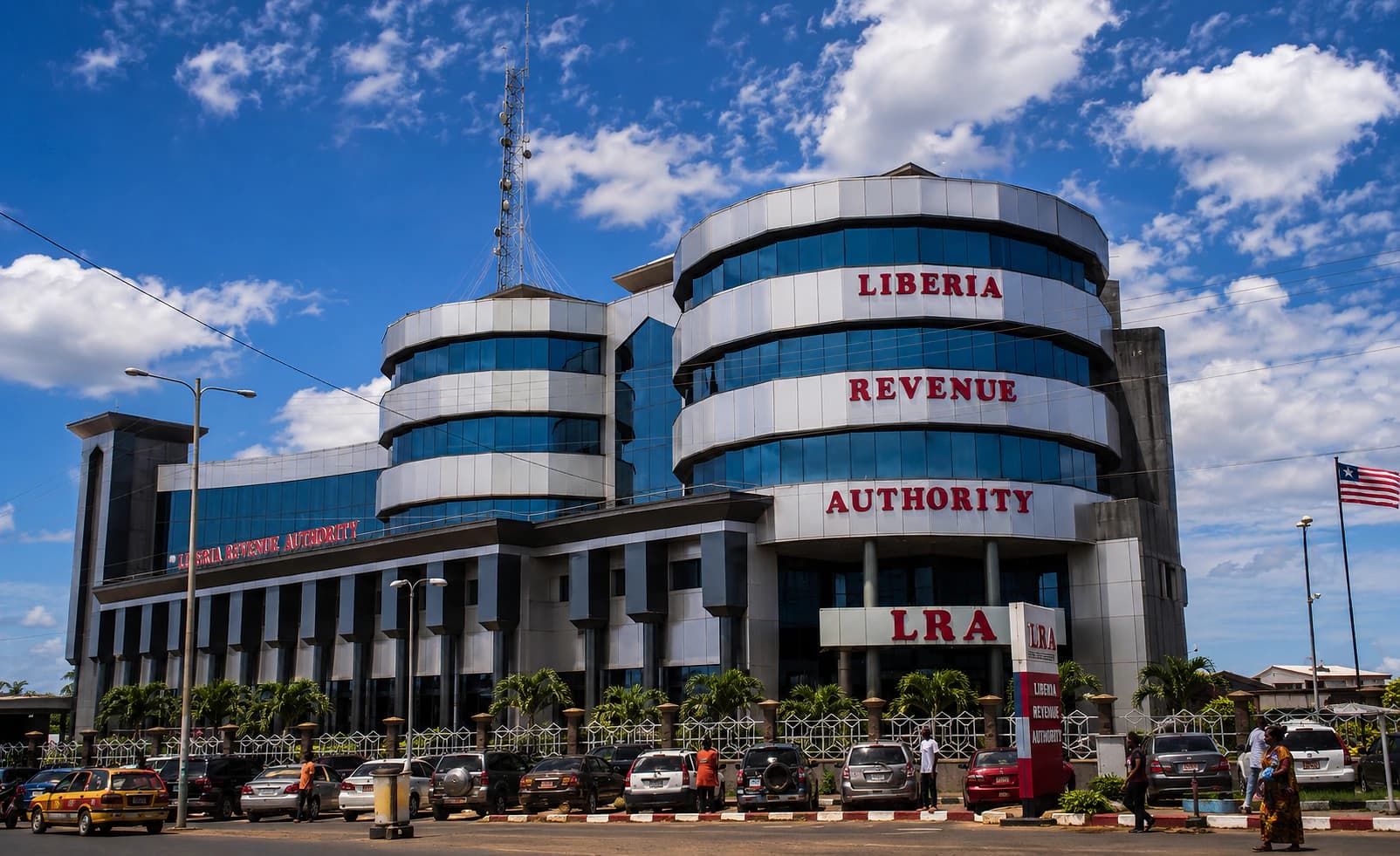
Whether it does depends on the fiscal channel: how much revenue the state actually collects from mining, and how effectively it converts that into health, education, roads and power. Liberia's record on translating commodity booms into lasting public investment has been uneven, constrained by collection gaps and by budgets that are often not executed as planned.
The macro backdrop limits the margin for error. Public debt stood near 54.6 percent of GDP in 2025, according to the World Bank, and reserves cover only about two months of imports — leaving little cushion if commodity prices turn and mining revenue falls short.
There is also a longer-term argument, raised repeatedly in Liberia's policy debate, for capturing part of the windfall in a stabilization or sovereign-wealth mechanism rather than spending it as it arrives — so that a downturn in prices does not force abrupt cuts.
What to watch is whether mining's momentum holds in 2026, whether global prices cooperate, and whether the revenue it generates reaches public services and communities beyond the mines.