Liberia's iron-ore production reached 2.33 million metric tons in March 2026, a sharp rebound from the unusually low level recorded in March 2025, according to data from the Liberia Institute of Statistics and Geo-Information Services (LISGIS).
Iron ore is Liberia's largest export by volume and, for most of the past decade, its single most important export by value — the commodity that anchored the revival of large-scale mining after the country's civil wars. The recovery in output has lifted earnings: export value rose 46.90 percent over the year to US$68.6 million in March, according to figures from the Central Bank of Liberia (CBL), even as gold has overtaken it in value terms.
Monthly volumes remain volatile. March output was down about 21 percent from February, when production neared 3 million tons — a swing that reflects shipment schedules, mine operations and the lumpy nature of bulk commodity exports rather than any underlying trend. A single delayed or accelerated shipment can move the monthly figure by hundreds of thousands of tons.
In the national accounts, the value of mining and panning output rose 23 percent in 2025 to over US$1 billion, with iron ore a major contributor alongside gold. The sector was the single largest driver of last year's economic growth, and iron ore's recovery from the depressed early-2025 base is a meaningful part of that story.
Iron-ore earnings are closely tied to global steel demand and prices, which are set largely in major importing economies — above all China, which dominates seaborne iron-ore trade. When Chinese steel mills slow, benchmark prices fall, and Liberia's export receipts move with them. That leaves the government revenue and foreign exchange the sector generates exposed to industrial cycles far beyond the country's borders.
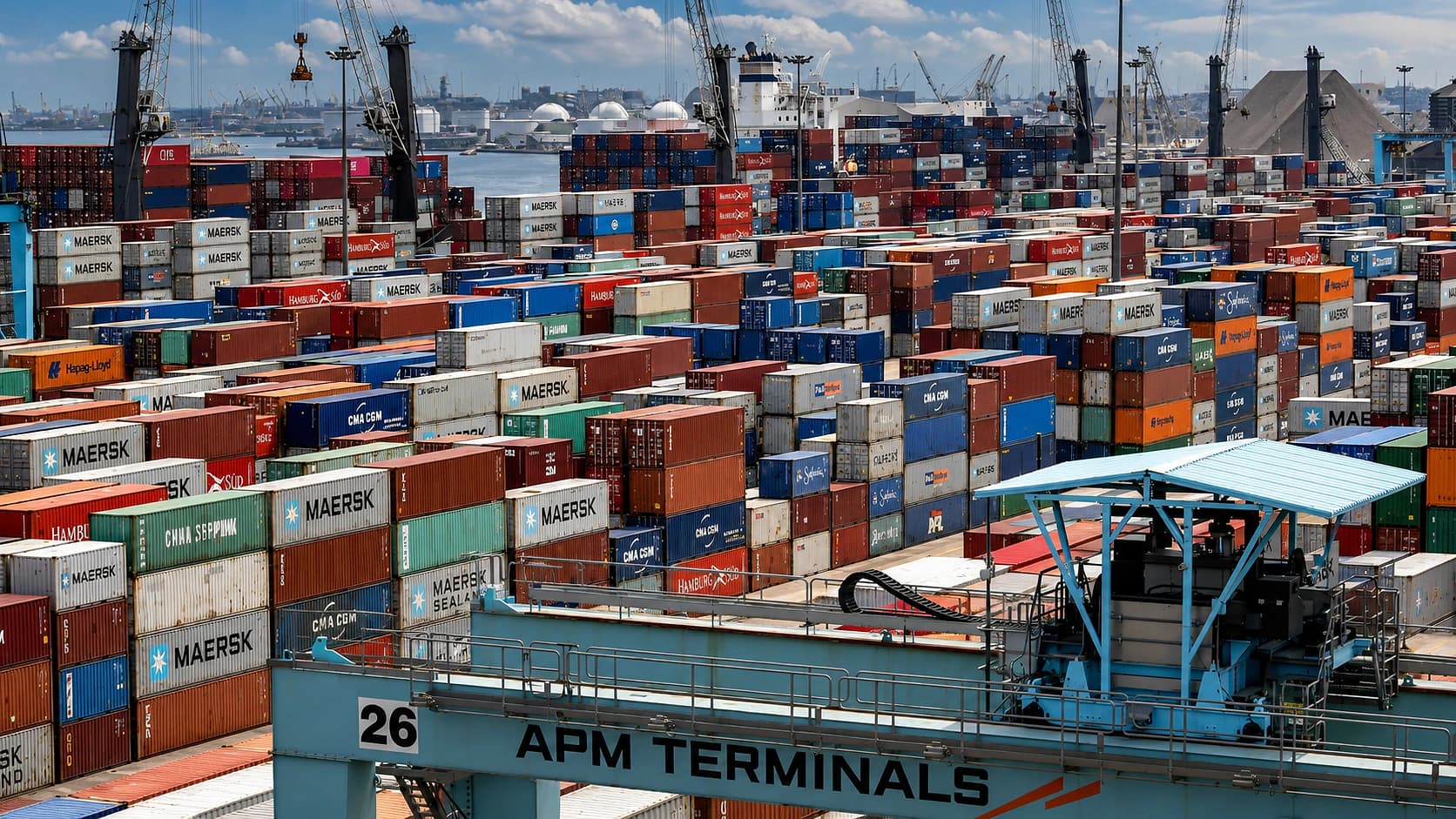
The dependence is structural in another sense too. Iron ore is produced by a small number of large operations, and the infrastructure that moves it — the rail lines to the coast and port capacity at Buchanan and elsewhere — concentrates the sector's fortunes further. Expansion depends as much on that logistics chain as on the ore in the ground, and Liberian deposits compete in global markets on grade against far larger producers in Australia and Brazil.
For the counties where the mines operate, output translates into jobs, contractor work and community development funding tied to production. Swings in volume are therefore felt locally as well as in the national accounts.
What to watch is whether output holds near current levels through 2026, how global steel demand and prices move, and whether the volatility in monthly volumes smooths out as operations stabilize.