
Services remained Liberia's largest economic sector in 2025, with output valued at US$2.01 billion, up about 7 percent from US$1.88 billion a year earlier, according to national accounts data from the Liberia Institute of Statistics and Geo-Information Services (LISGIS).
At that level, services accounted for roughly 39 percent of Liberia's US$5.16 billion economy — a larger share than agriculture or mining — spanning trade, transport, hospitality, telecommunications, financial services and government. In real, inflation-adjusted terms, the sector grew about 4.3 percent, a steady pace that reflects its broad base across the economy.
Within services, trade and hotels grew 8.3 percent in value, one of the faster-growing components and a sign of expanding domestic commerce. Government services, by contrast, were little changed, reflecting the tight fiscal conditions of a budget under pressure.
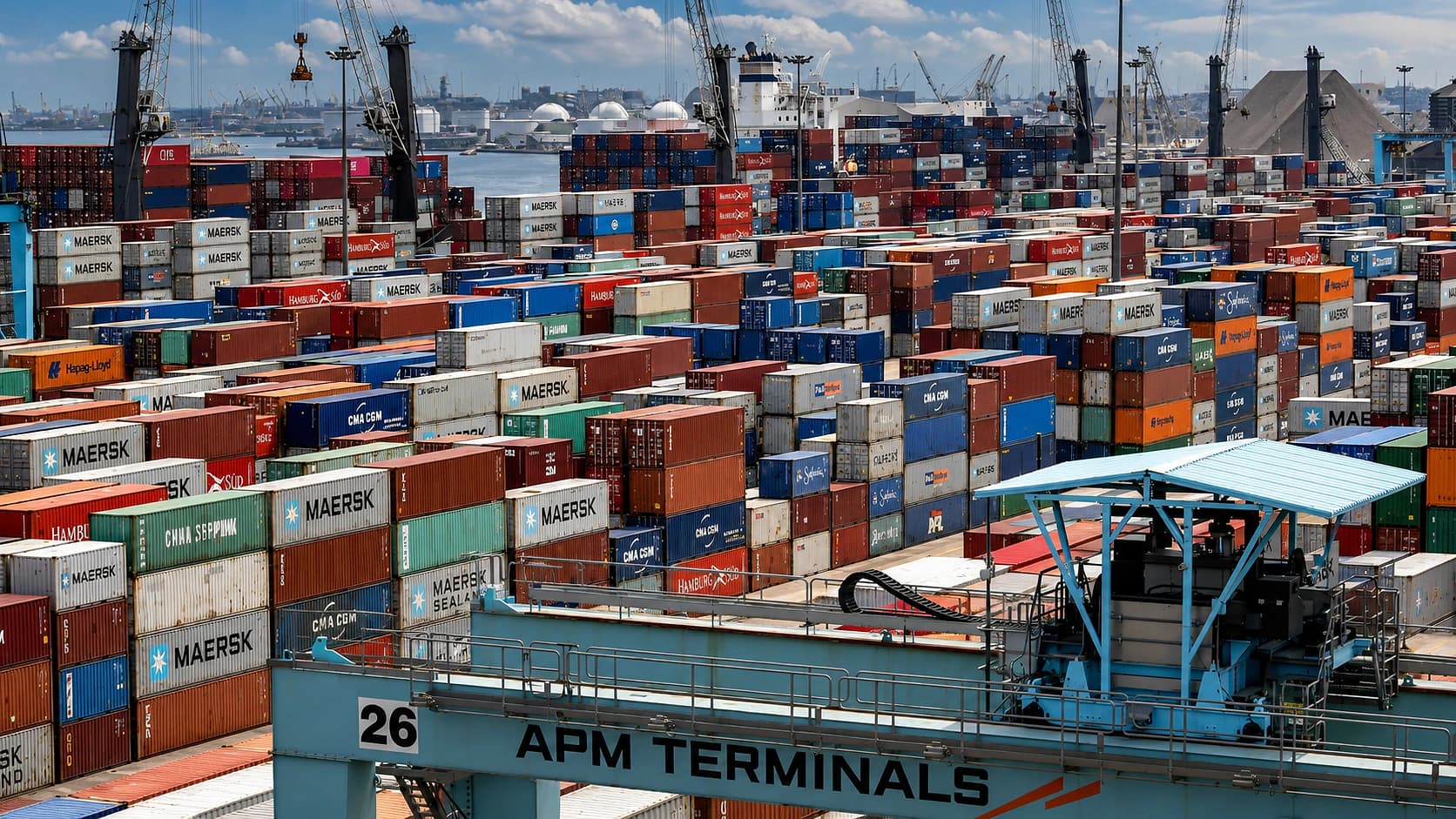
One distinctive piece of Liberia's service economy does not show up fully in domestic activity but matters for public finances: the country operates one of the world's largest ship registries. The Liberian flag of convenience registers thousands of ocean-going vessels and generates a significant, steady stream of government revenue — a service export rooted in a century-old arrangement and largely insulated from domestic conditions.
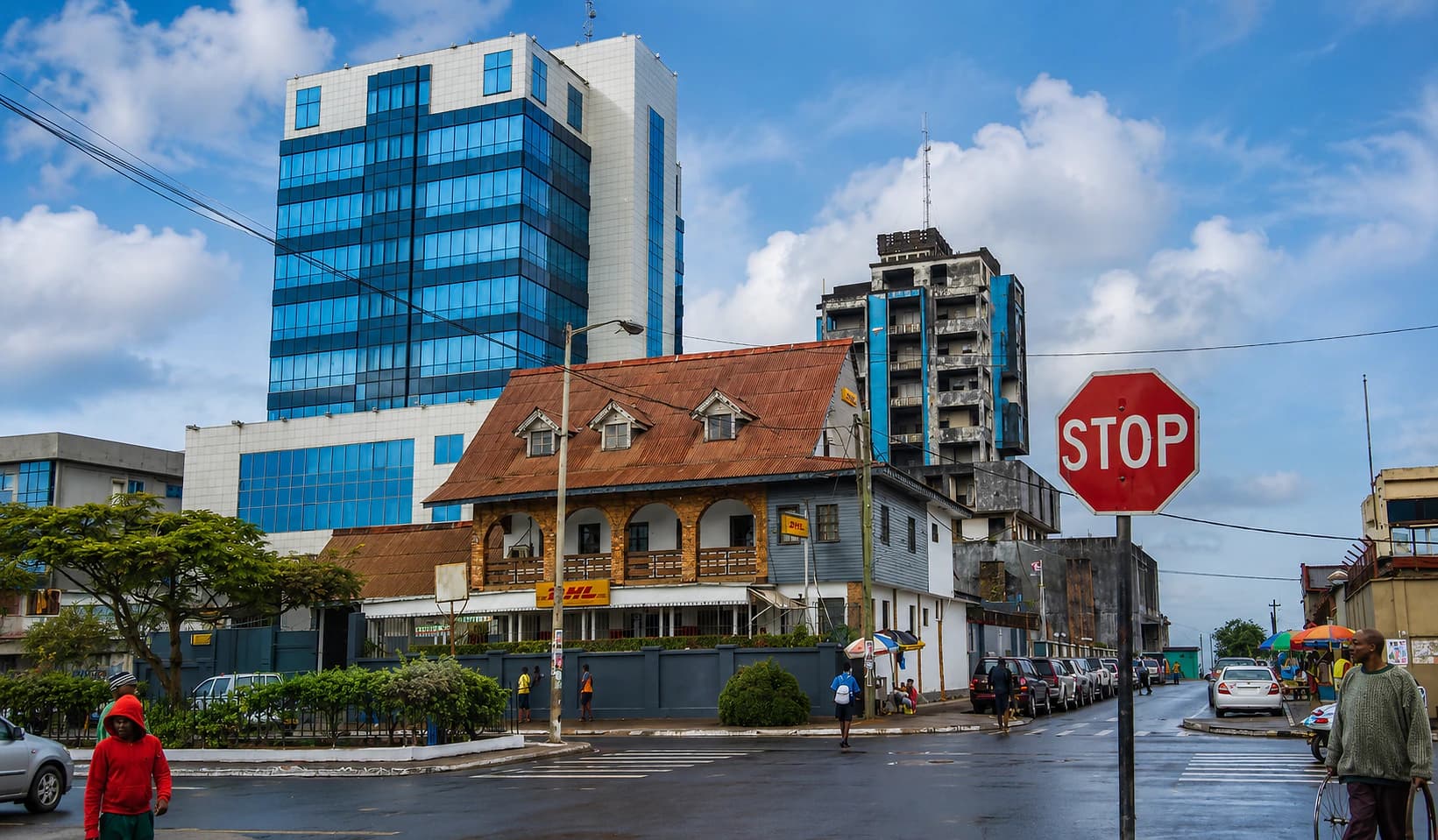
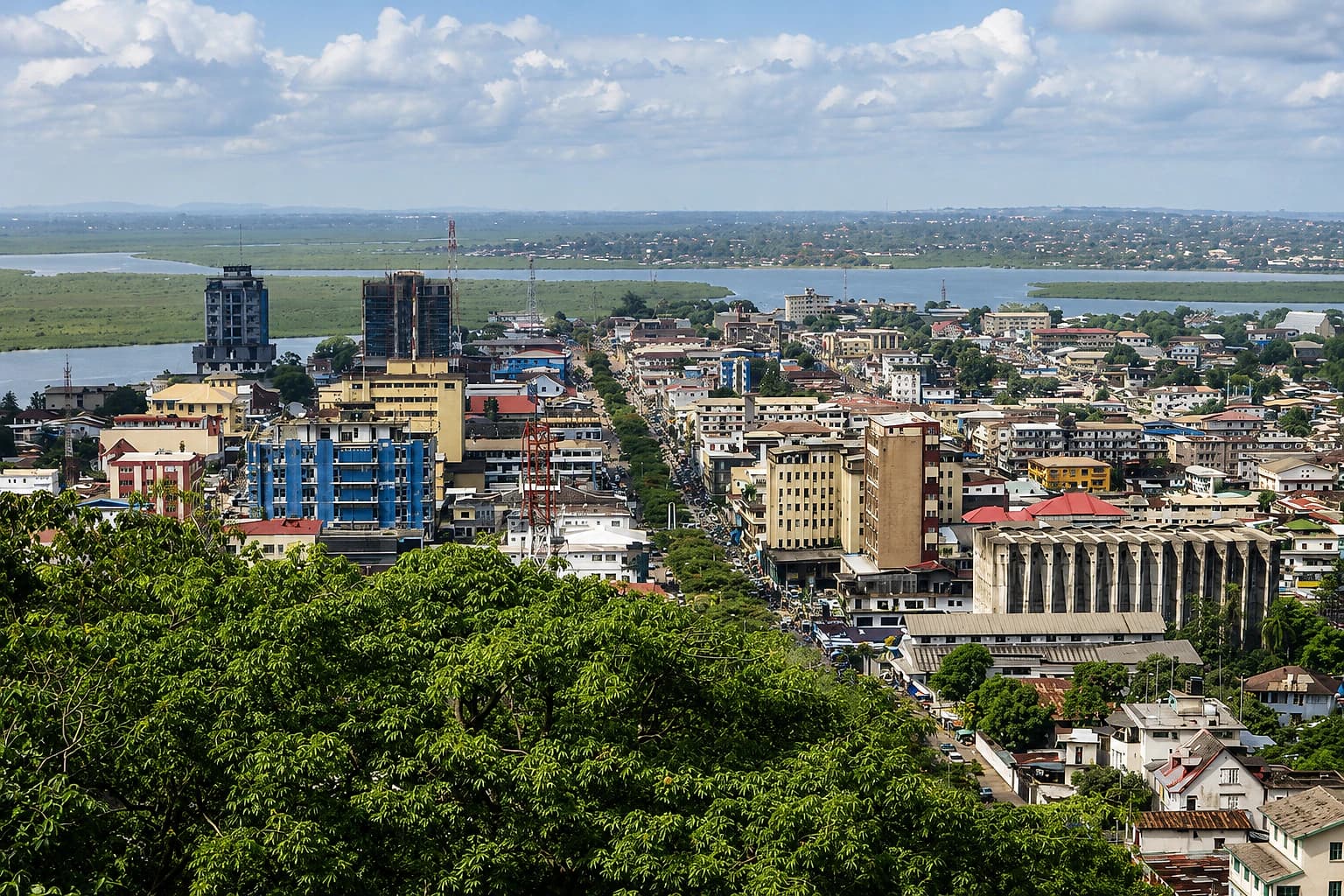
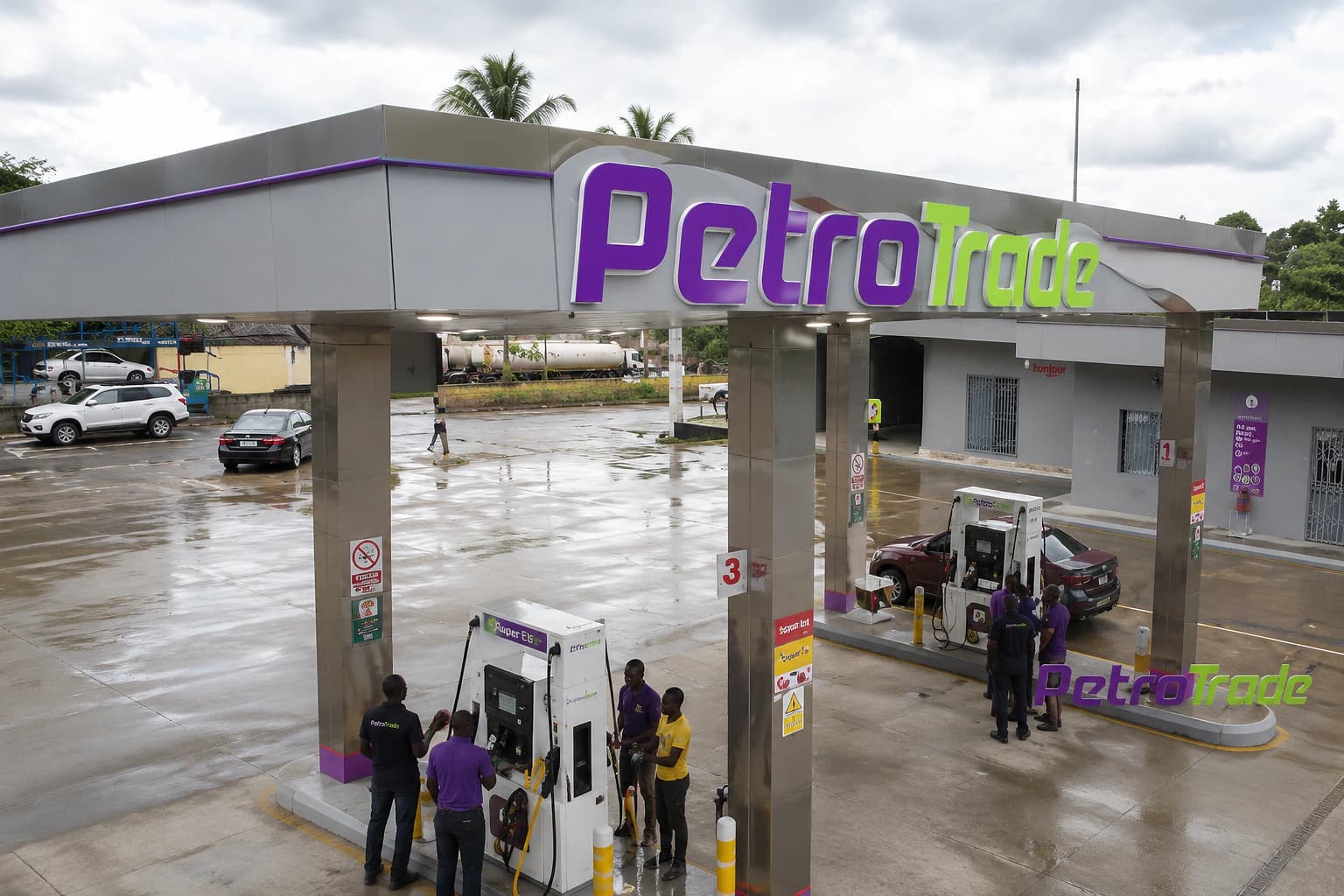
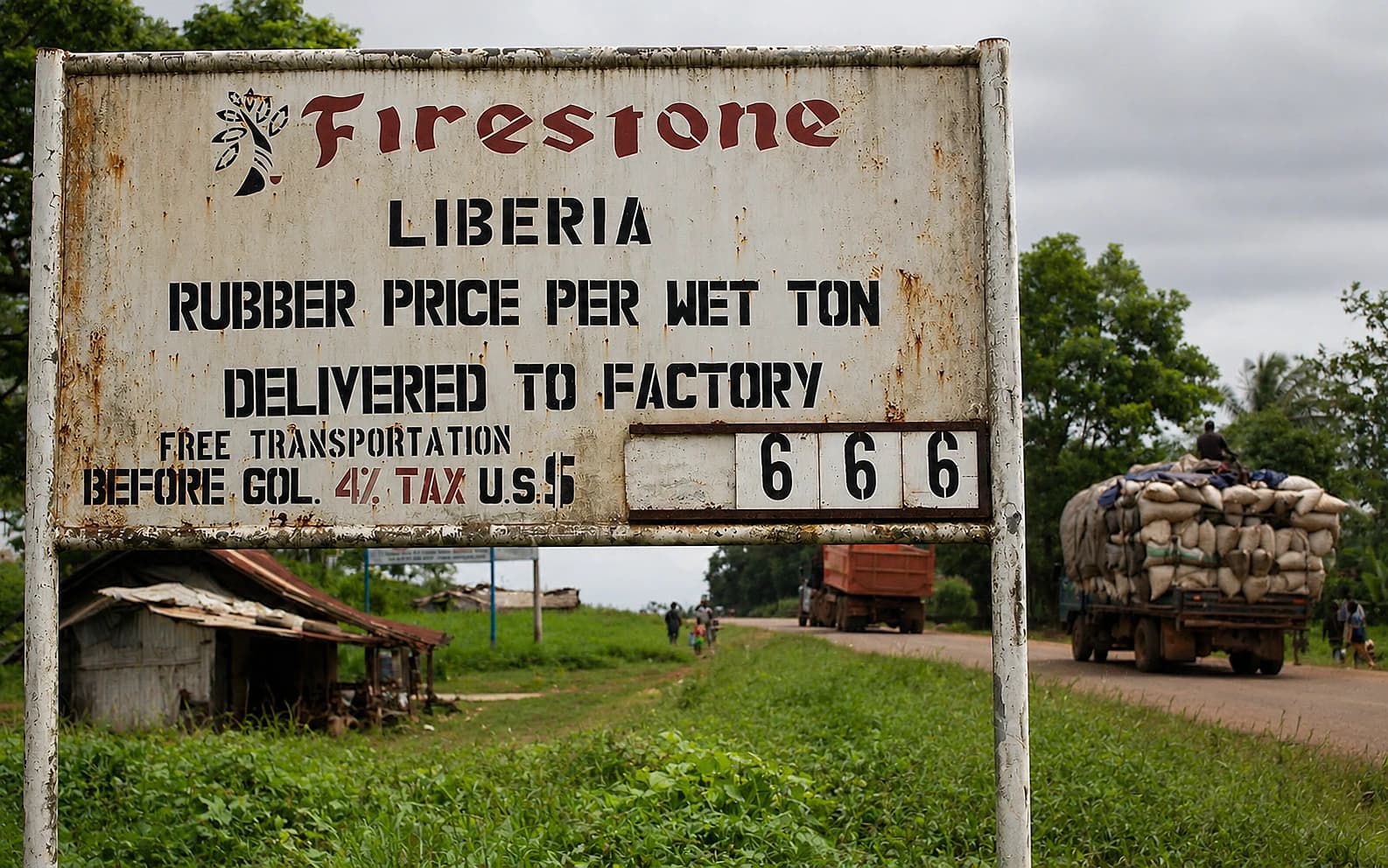
The size of the services sector complicates the common image of Liberia as an economy defined by its mines and plantations. In practice, more of the economy's value is generated in everyday commerce — shops, markets, transport, telecoms and financial services — than in the commodity exports that dominate the headlines.
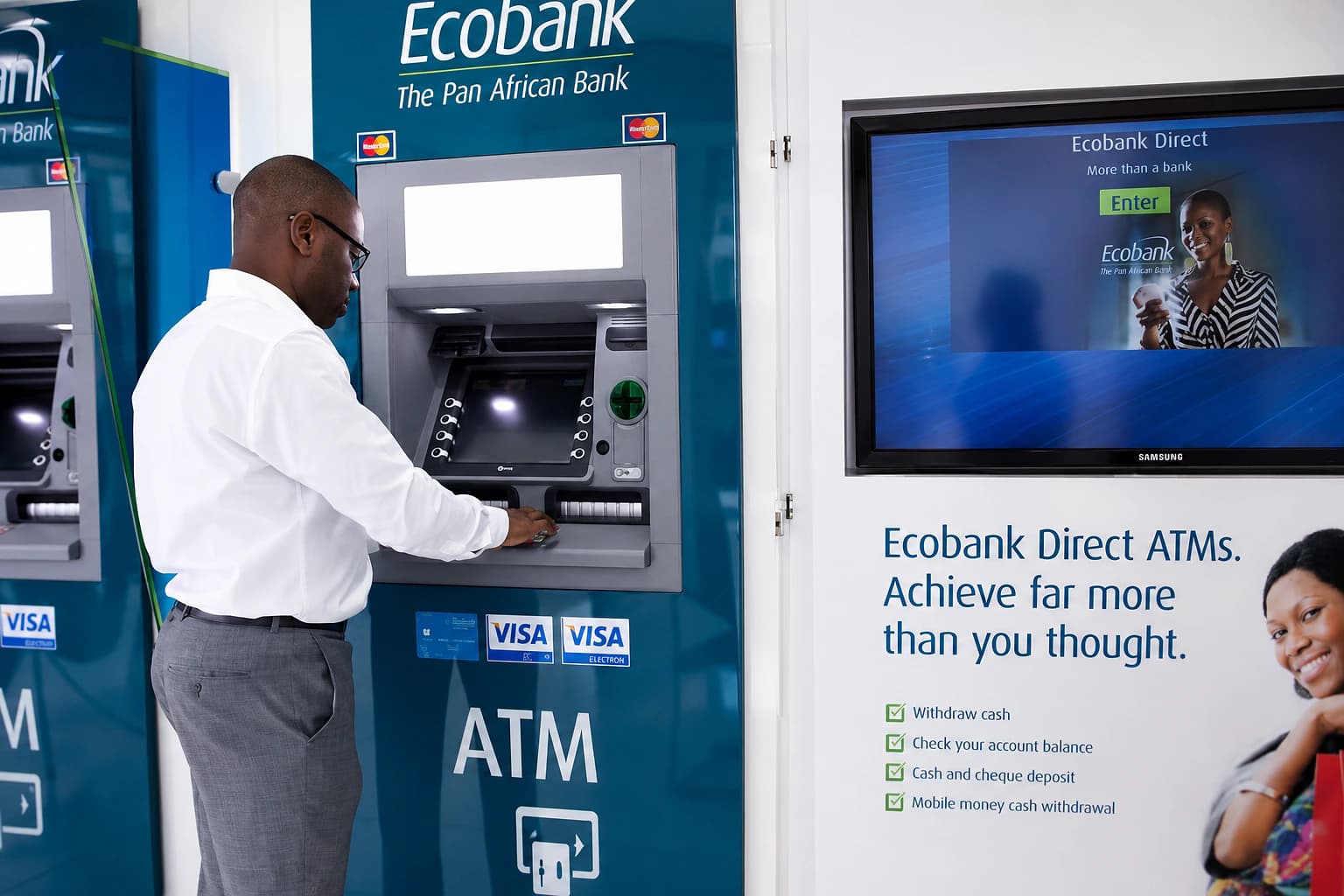
That breadth also makes services a more inclusive source of activity than mining. Trade, transport and the fast-growing mobile-money and telecom businesses touch far more livelihoods than the capital-intensive extraction sectors, even if individual incomes are modest and much of the activity is informal.
The sector's prospects are tied closely to the wider economy. Growth in trade and hospitality depends on household incomes, on commodity earnings flowing into domestic spending, on the reliability and cost of electricity, and on the cost of credit for the small businesses that make up much of the sector — credit that remains scarce and expensive.
What to watch is whether services growth keeps pace with the commodity sectors, whether infrastructure such as power and telecoms can support expansion, and whether rising domestic commerce broadens the gains from Liberia's overall growth.