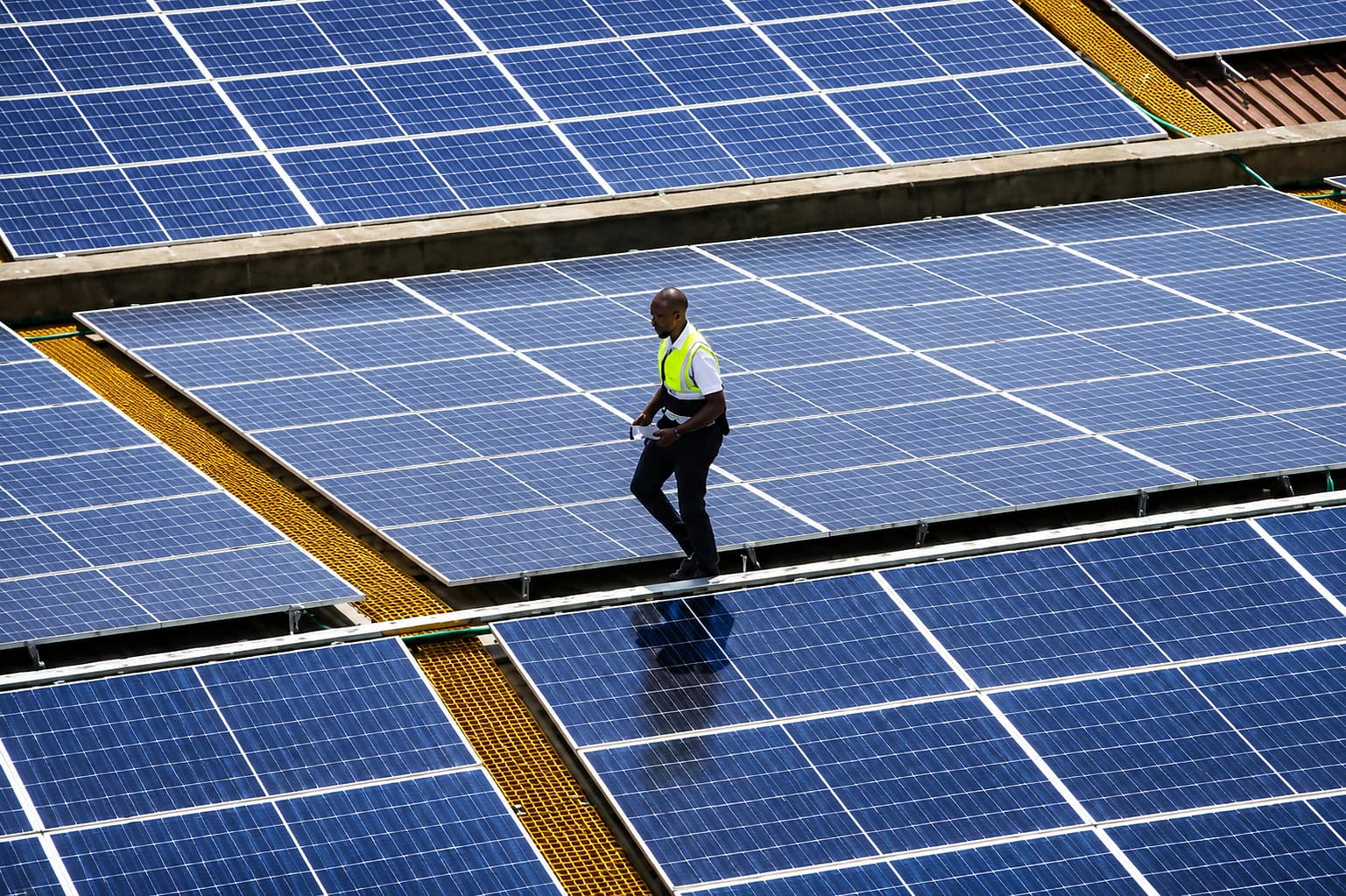
Liberia is generating more power. Electricity output reached about 54.8 million kilowatt-hours in March 2026, up roughly 30.7% from 41.9 million a year earlier, according to the Liberia Institute of Statistics and Geo-Information Services (LISGIS), while the electricity and water sector grew about 12.9% in 2025 to US$50.0 million in the national accounts.
The sector has expanded dramatically from a low base — its output is up about 186.9% since 2020 — reflecting investment in generation, including the rehabilitated Mount Coffee hydroelectric plant, and the slow extension of the grid.
Yet the gains start from one of the lowest levels of electricity access in the world. Most Liberians are not connected to the grid, and even connected users face outages, which forces households and businesses to rely on expensive diesel generators, charcoal and kerosene. That reliance is a direct drag on the cost of living and on the competitiveness of every firm that must self-generate power.
Power is arguably the single most important constraint on Liberia's economy. Unreliable, costly electricity raises the price of manufacturing, refrigeration, construction and services, and deters the investment that would create jobs. Expanding generation and the grid is therefore not just an energy goal but an economic one.
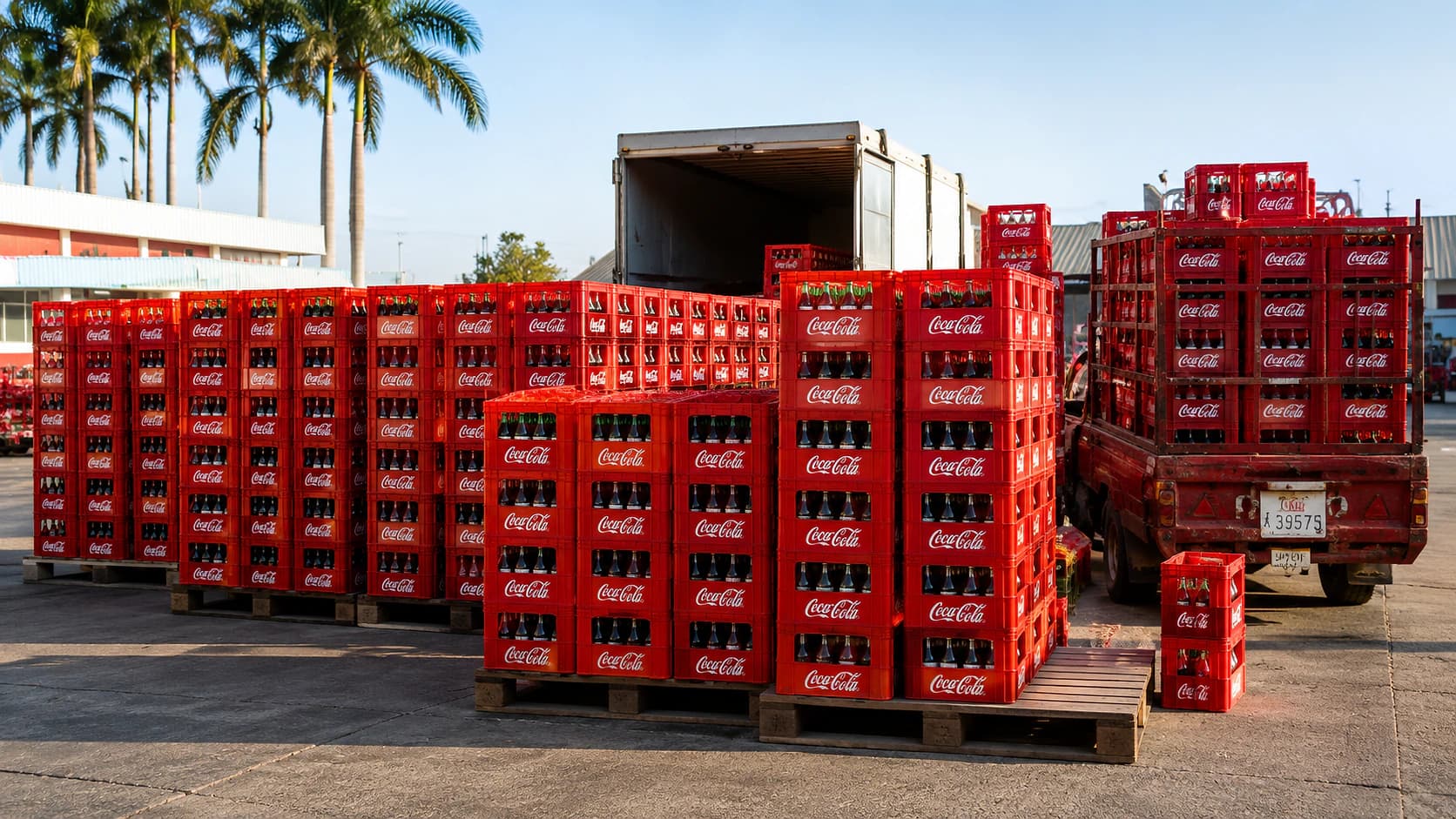
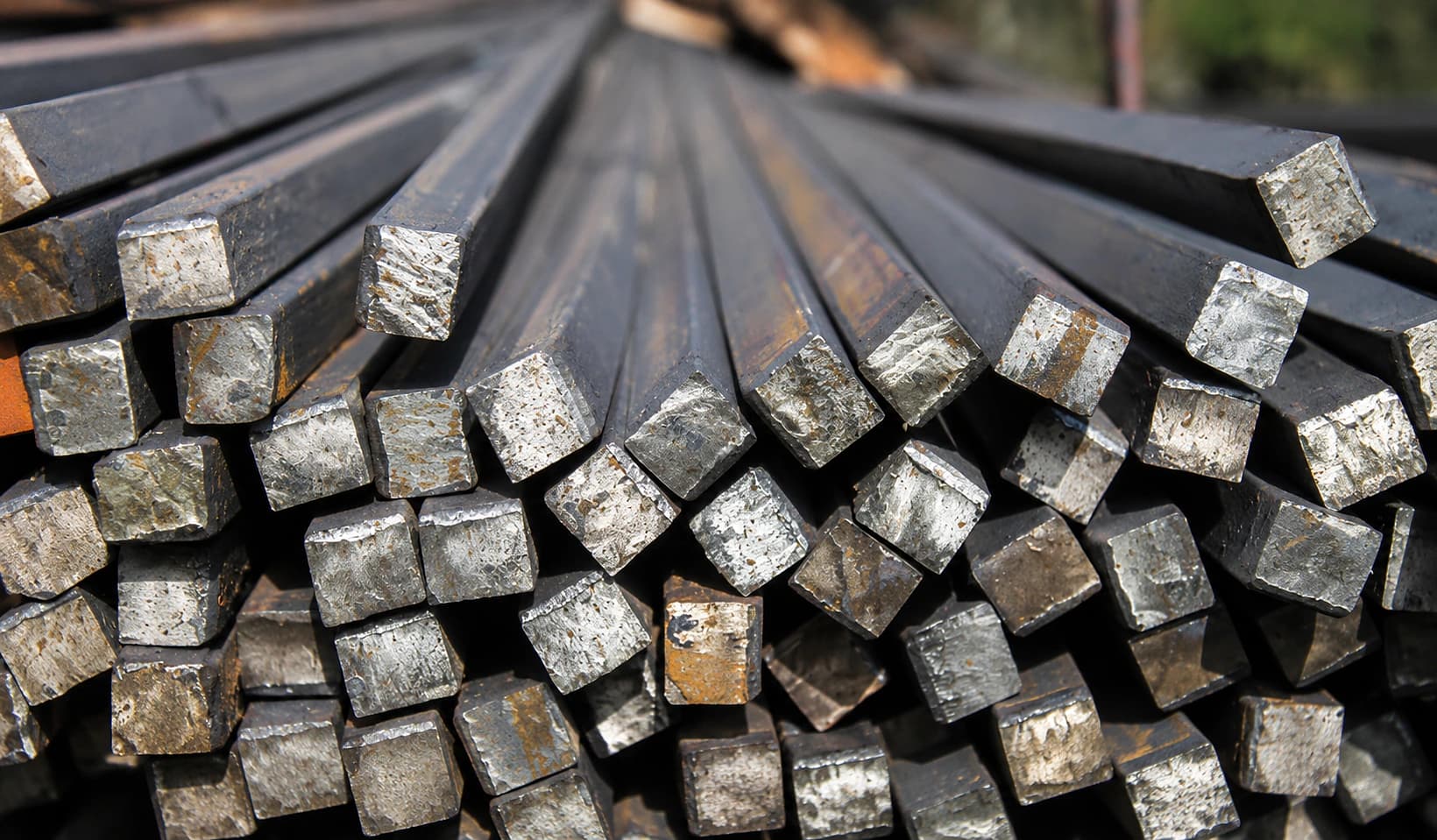
Rising generation feeds the construction and manufacturing activity visible elsewhere in the data — cement and steel production, building, beverages — all of which depend on power. More reliable electricity would lower costs across the board and widen the gains from growth.
The challenges are financing, transmission losses, and extending the grid beyond Monrovia to a dispersed rural population for whom connection is expensive. Off-grid solar and mini-grids are part of the strategy to reach communities the central grid cannot economically serve.
The rehabilitated Mount Coffee hydroelectric plant anchors generation, but its output varies with the seasons, and transmission losses and limited reach keep the benefits concentrated. Off-grid solar and mini-grids are increasingly part of the plan to reach a dispersed rural population for whom extending the central grid is uneconomic, a route that could widen access faster than wires alone.
What to watch is whether generation keeps rising, whether the grid expands and losses fall, and how far improved power supply lowers costs and supports industry through 2026.