
Liberia's manufacturing sector grew about 9 percent in 2025, with output valued at US$331.3 million, up from US$304.6 million a year earlier, according to national accounts data from the Liberia Institute of Statistics and Geo-Information Services (LISGIS). In real, inflation-adjusted terms the gain was about 5.9 percent — faster than the economy as a whole.
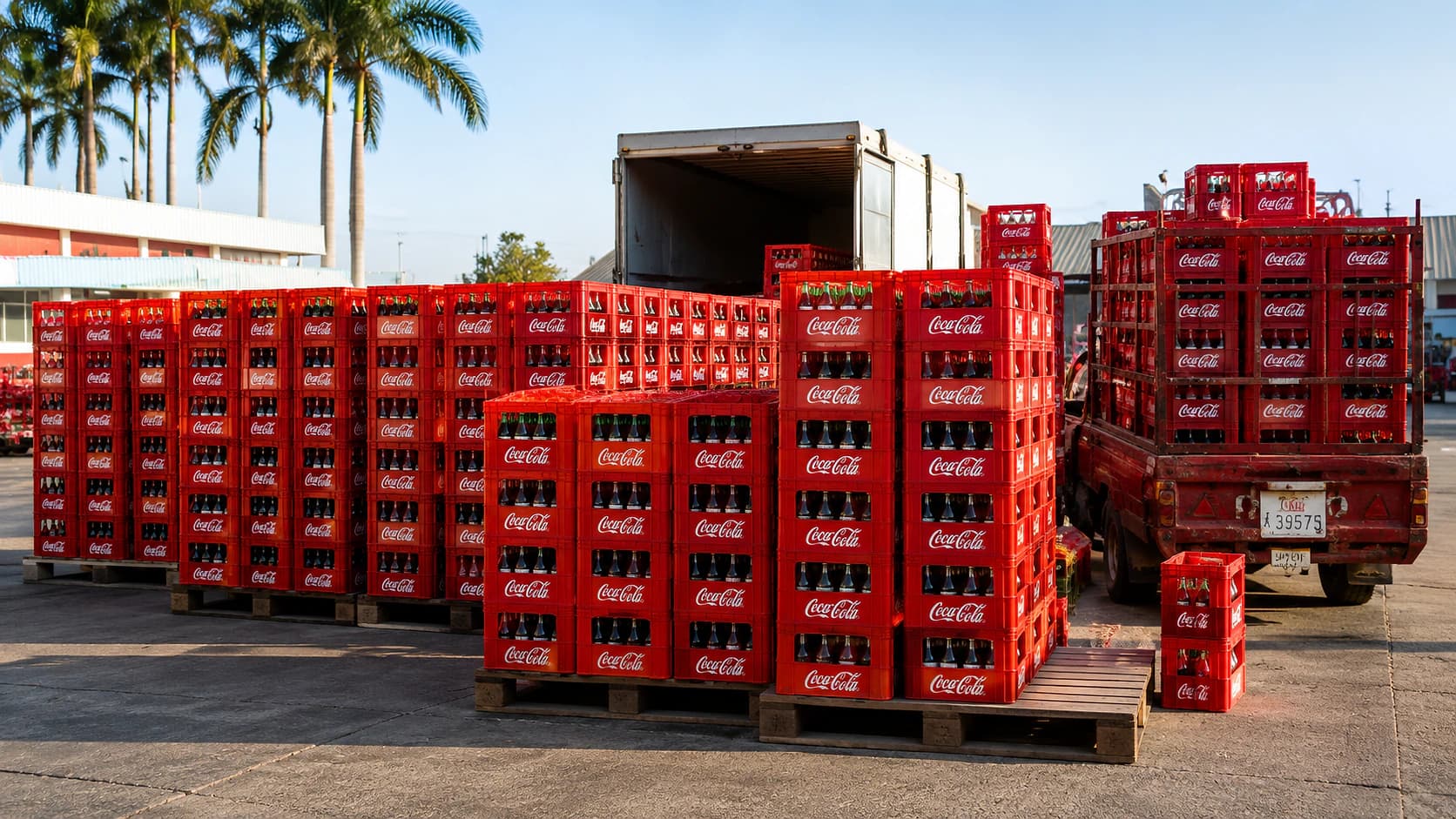
The expansion was visible in monthly production data. Cement output rose 52 percent year-on-year to roughly 89,000 metric tons in March 2026, and beverage production was up about 20 percent over the same period — two of the country's most established manufacturing lines, alongside a handful of others producing basic consumer goods.
Manufacturing remains a small part of Liberia's economy, well under a tenth of GDP and far behind services, agriculture and mining. But its growth points to expanding domestic industry serving construction and consumer demand, and the pace outran the broader economy — a modest but real sign of diversification away from raw commodities.
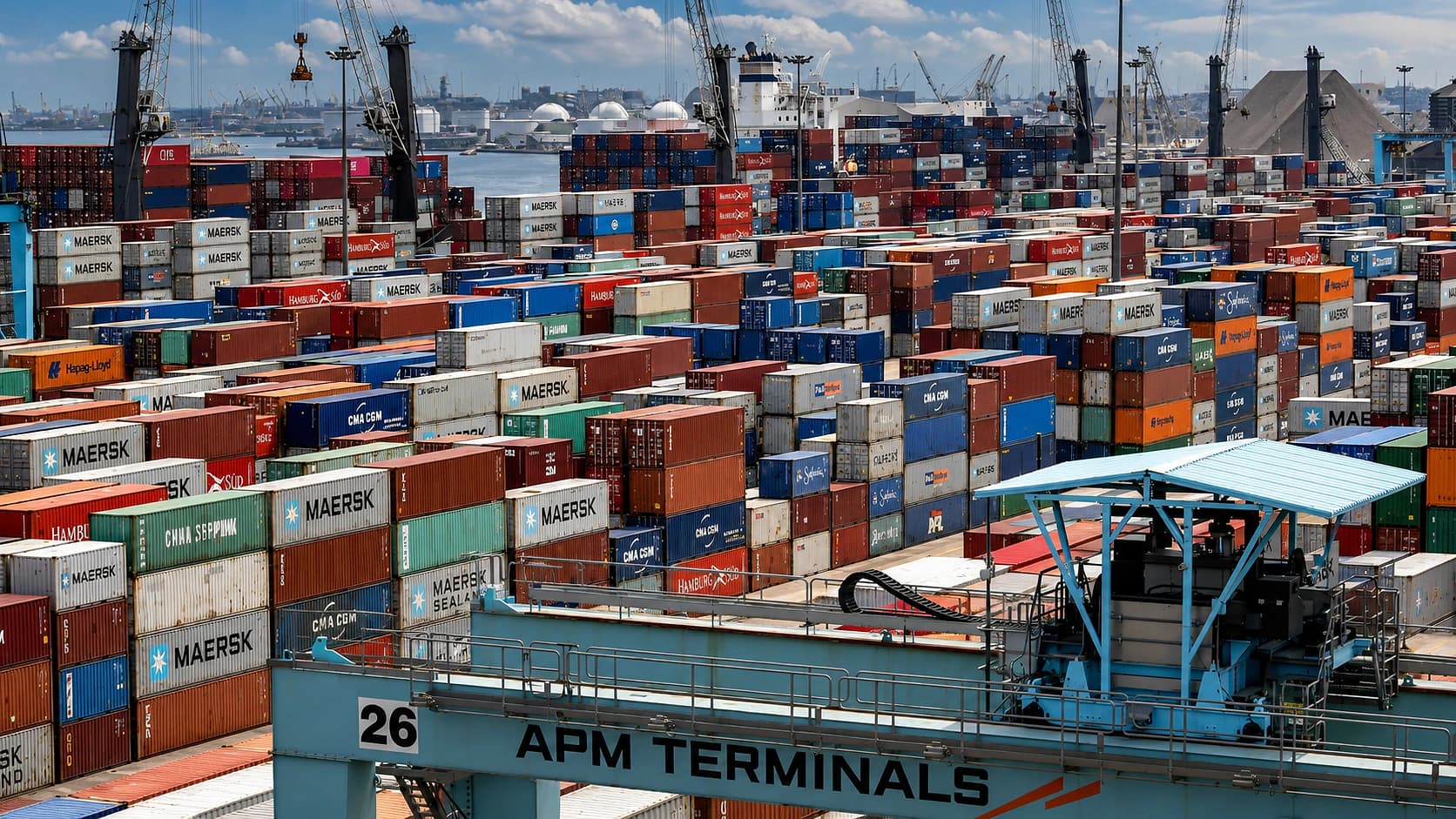
Local manufacturing carries strategic weight beyond its size. Goods produced at home reduce reliance on imports in an economy that buys most of its consumer products, building materials and equipment from abroad. With imports running at US$2.35 billion in 2025 and the trade deficit near US$281 million, every product made domestically eases, at the margin, the demand for foreign exchange and the pressure on the trade balance.
Cement is a particularly useful signal. Its output tends to track construction activity — housing, commercial buildings and infrastructure — so a 52 percent rise points to underlying building demand. Rising beverage production, meanwhile, reflects domestic consumer spending power and the reach of distribution networks.
The constraints on manufacturing are familiar and stubborn. The cost and unreliability of electricity is the binding one: firms that must run generators face costs that erode any competitive edge. Add to that finance at double-digit interest rates, a small domestic market that limits economies of scale, and competition from cheaper imports, and the barriers to expansion are considerable.
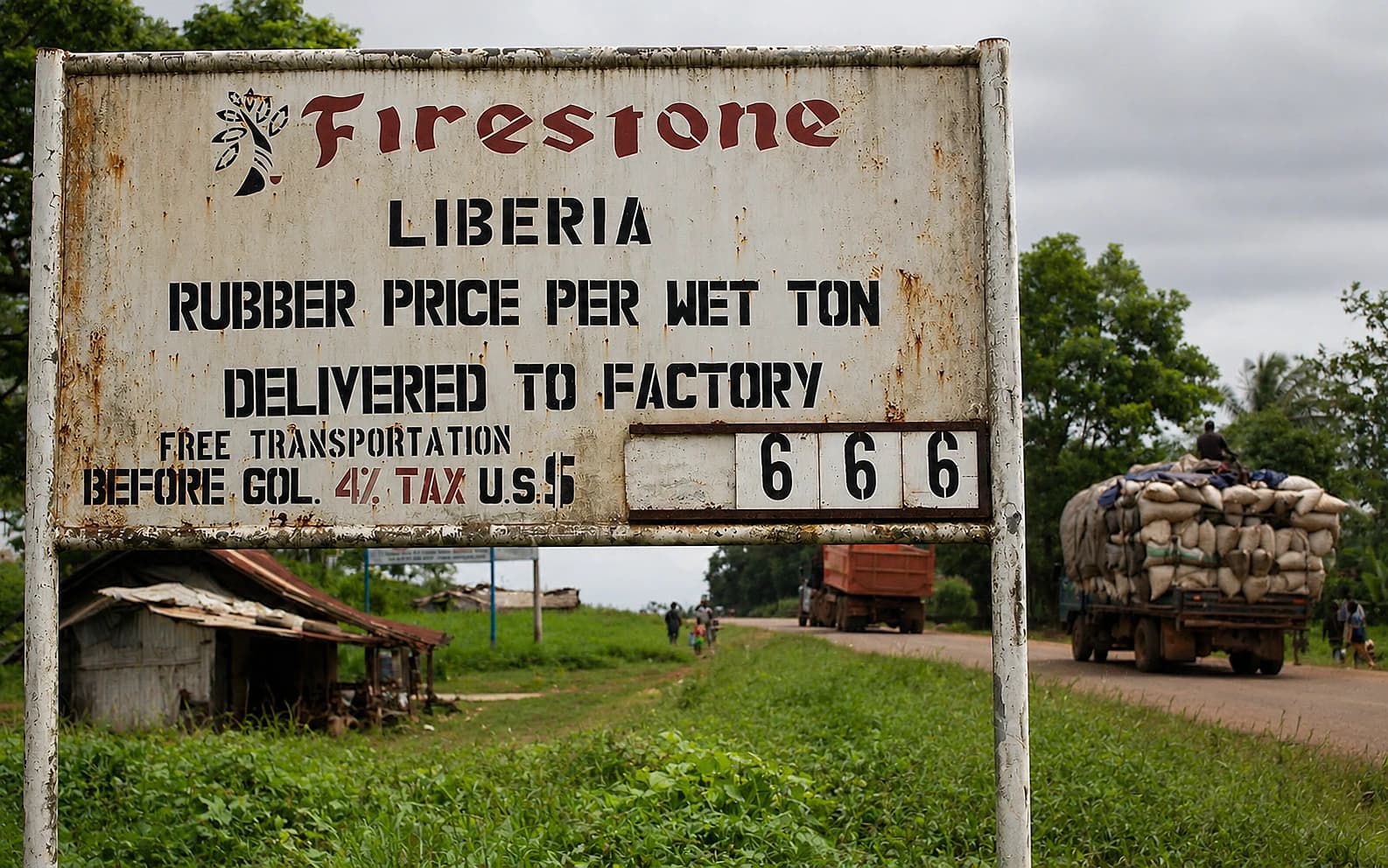
Industrial policy and infrastructure are the levers most likely to help — reliable power above all, alongside affordable credit and support for firms that can substitute for imports or process local raw materials such as palm oil, rubber and timber into finished goods.
What to watch is whether construction-linked demand sustains cement output, whether power supply improves enough to lower industry's costs, and whether domestic manufacturing can broaden beyond its current narrow base.