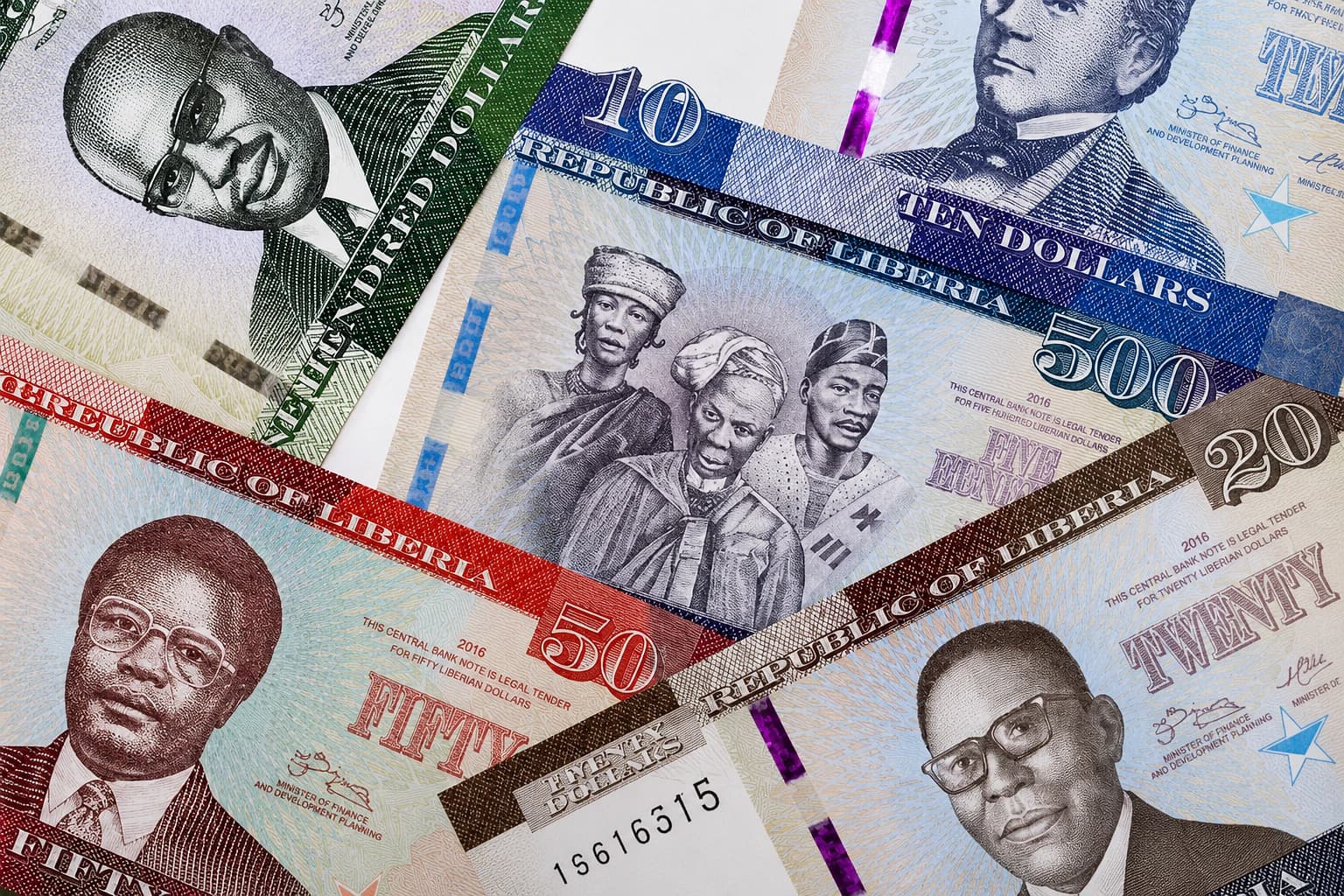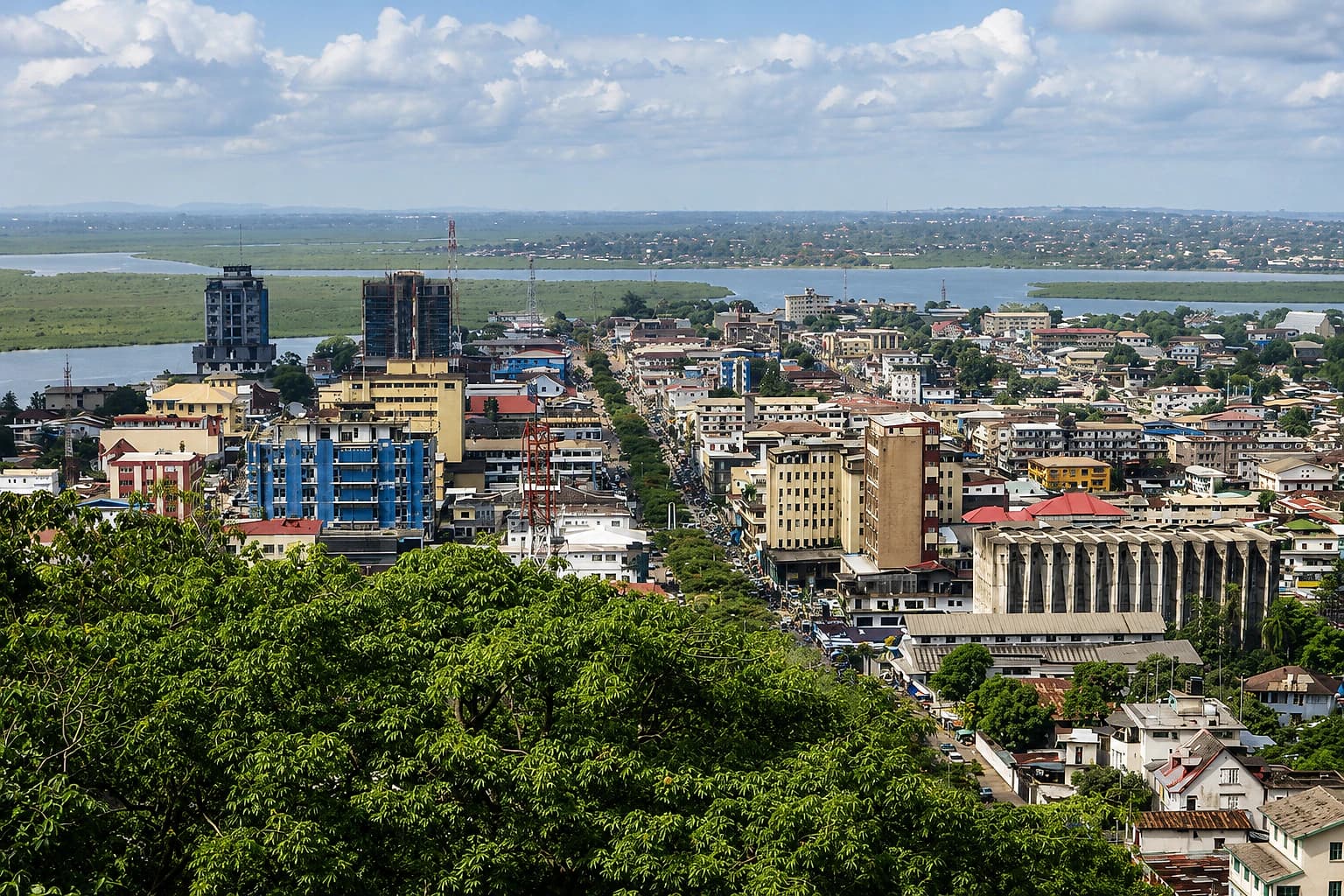
Liberia's economy expanded 4.6 percent in 2025, its strongest pace in three years, as a surge in mining output drove growth and lifted gross domestic product to US$5.16 billion at market prices, according to national accounts published by the Liberia Institute of Statistics and Geo-Information Services (LISGIS).
The figure confirms that Liberia's recovery is gathering pace — but it also opens a question about how fast the economy is really growing. The World Bank puts 2025 growth at 5.1 percent, half a percentage point above the national statistics agency's estimate. Both cannot be precisely right, and the gap is a reminder that headline numbers for Liberia's economy still depend heavily on who is counting.
What is not in dispute is the direction. In constant, inflation-adjusted terms, real output rose 4.6 percent in 2025, up from 4.0 percent in 2024 and faster than the 2023 pace, according to the LISGIS series. In nominal terms, GDP climbed 8.0 percent to US$5.16 billion from US$4.78 billion, reflecting both real growth and higher prices.
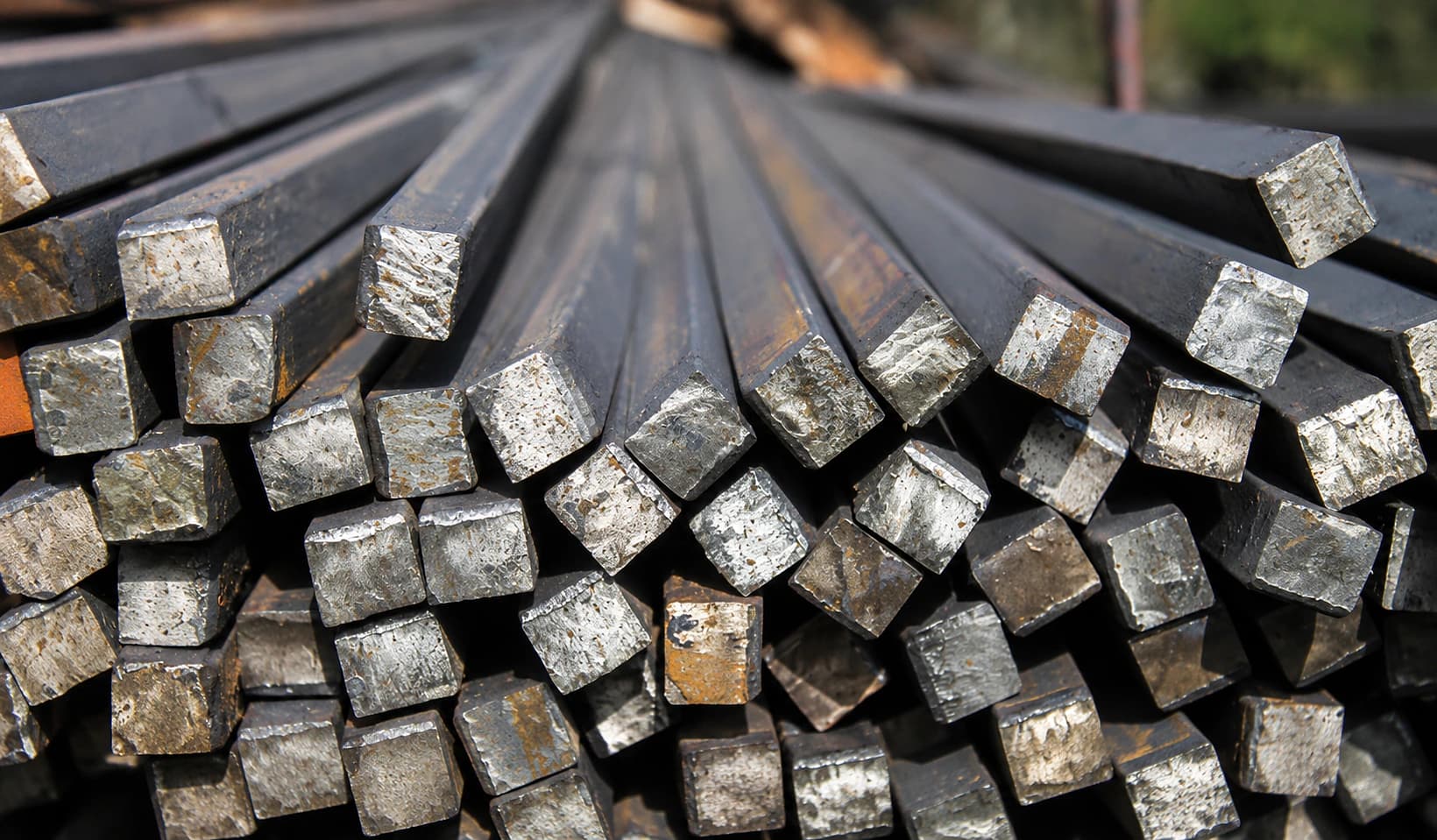
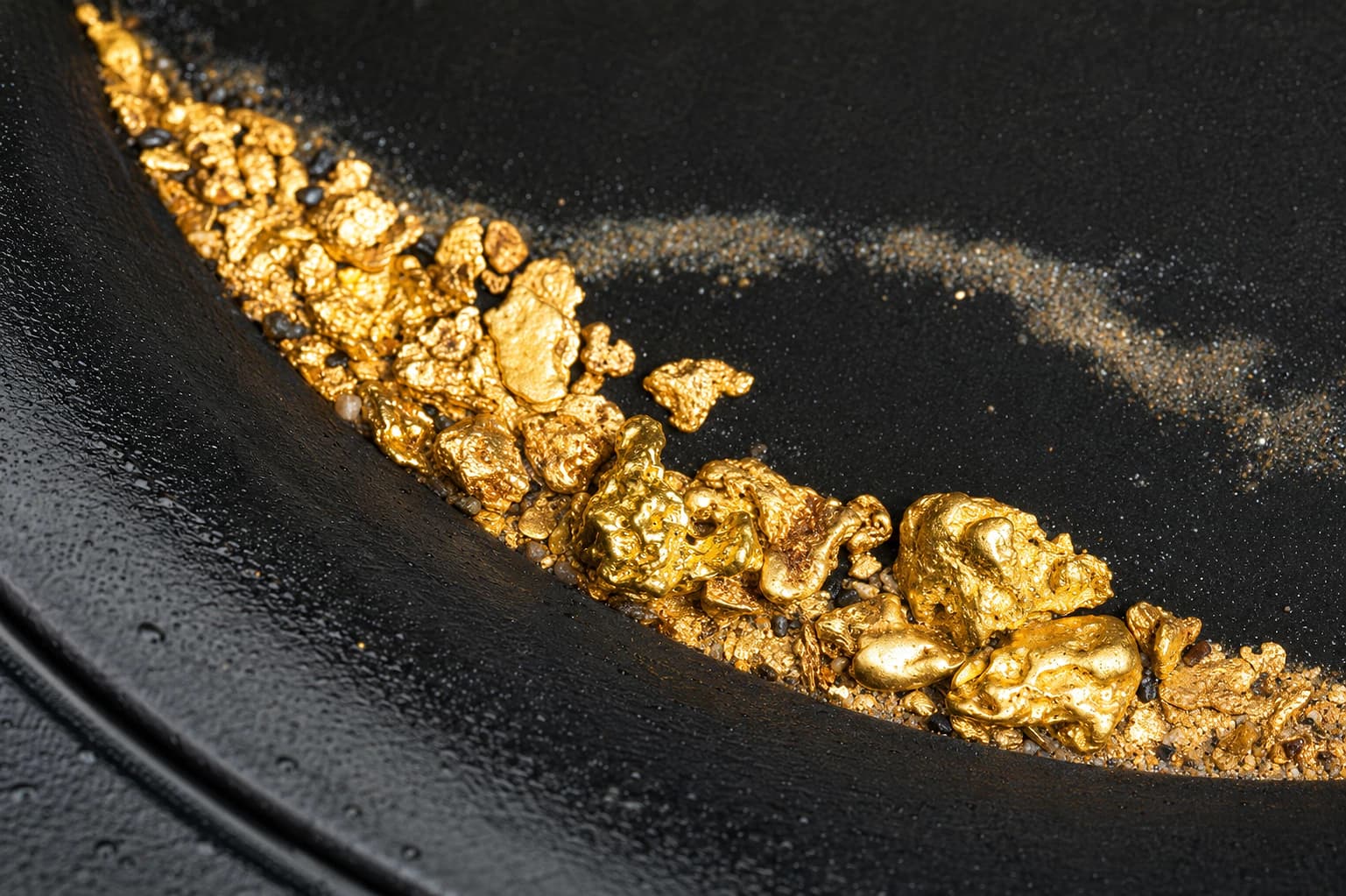
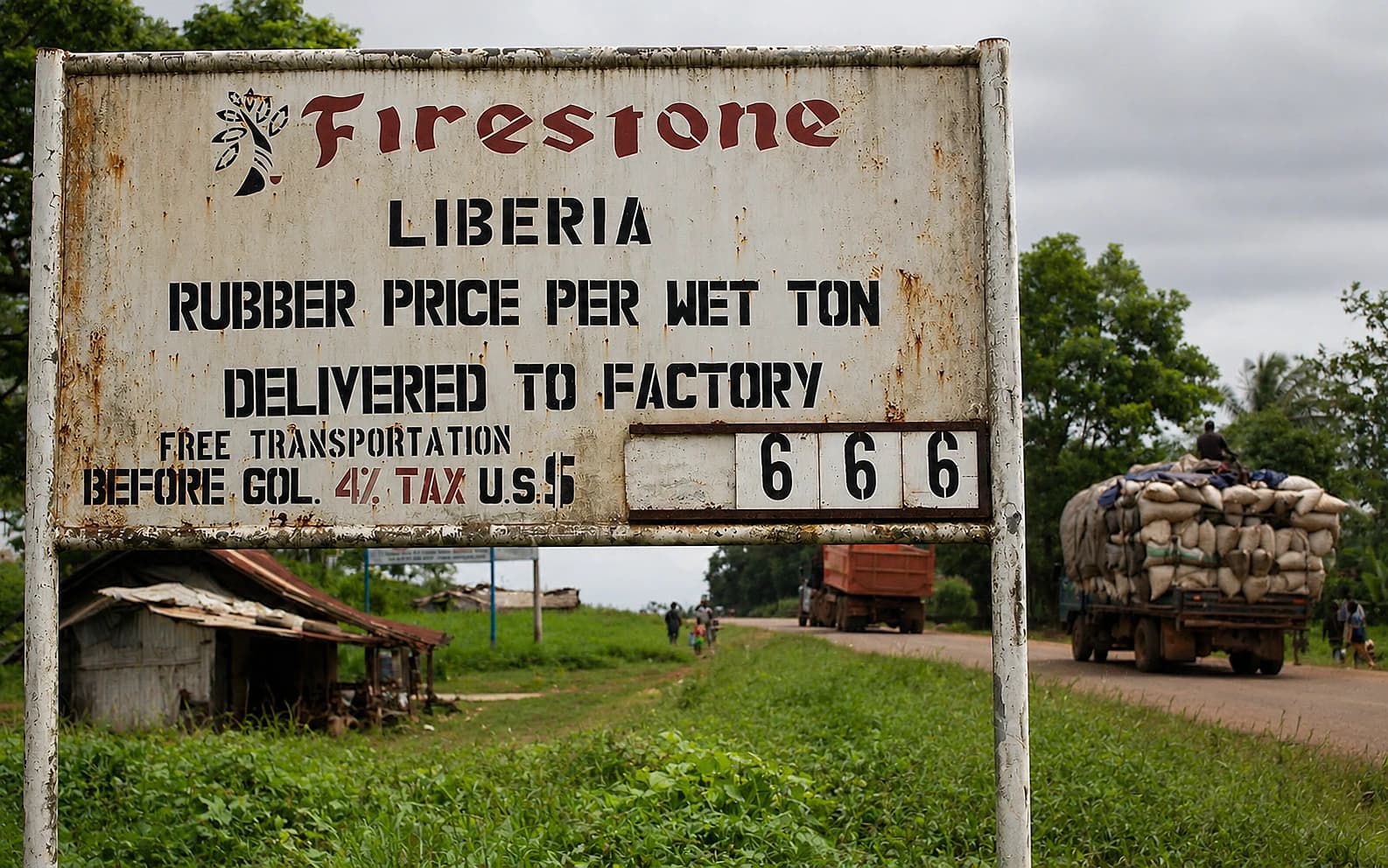
Mining did the heavy lifting. The value of mining and panning output jumped 23 percent to US$1.02 billion in 2025, from US$827 million a year earlier — the fastest growth of any sector and, at roughly a fifth of the economy, its single largest engine. The expansion was led by iron ore and gold, whose export earnings both rose sharply through 2025 and into early 2026.
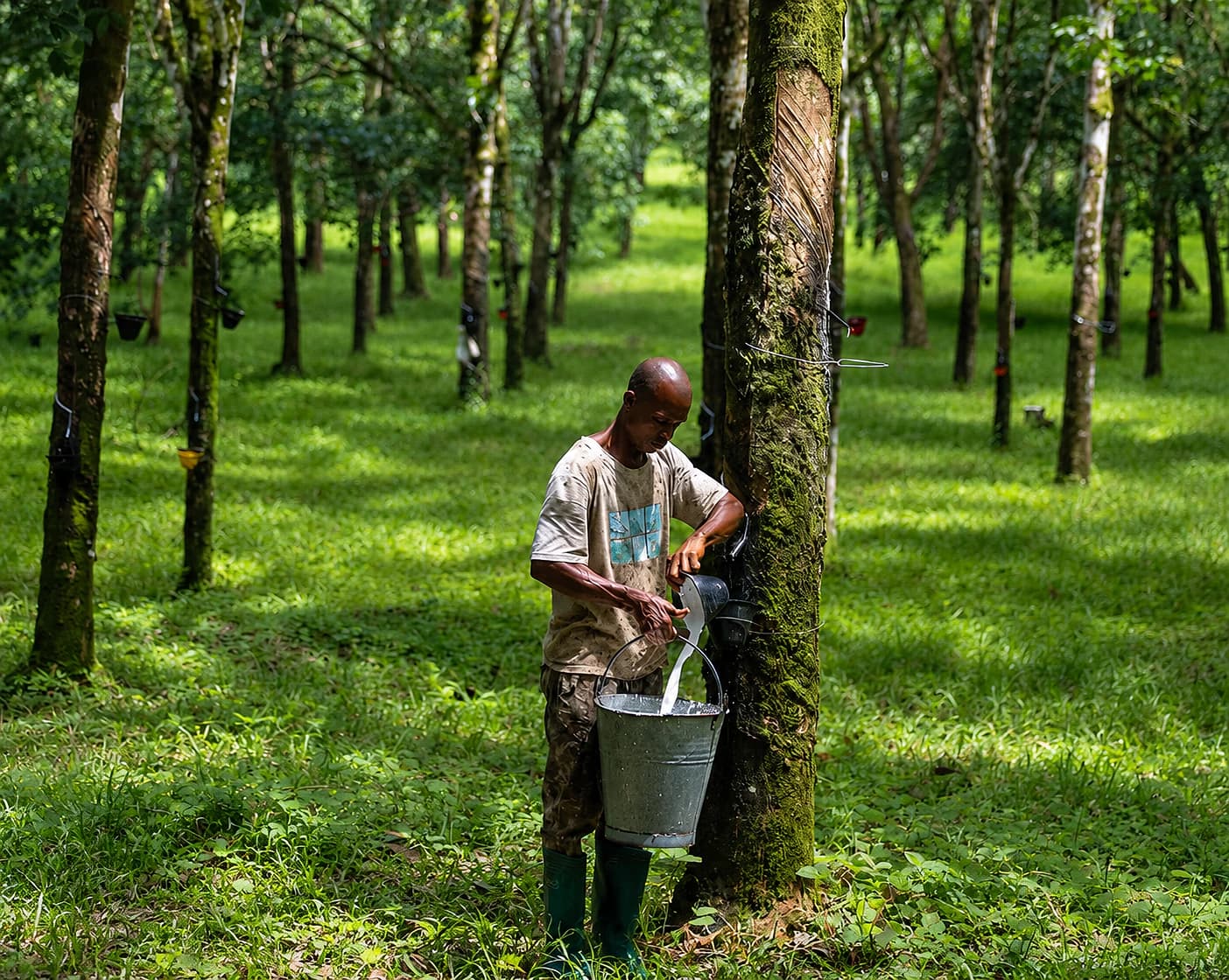
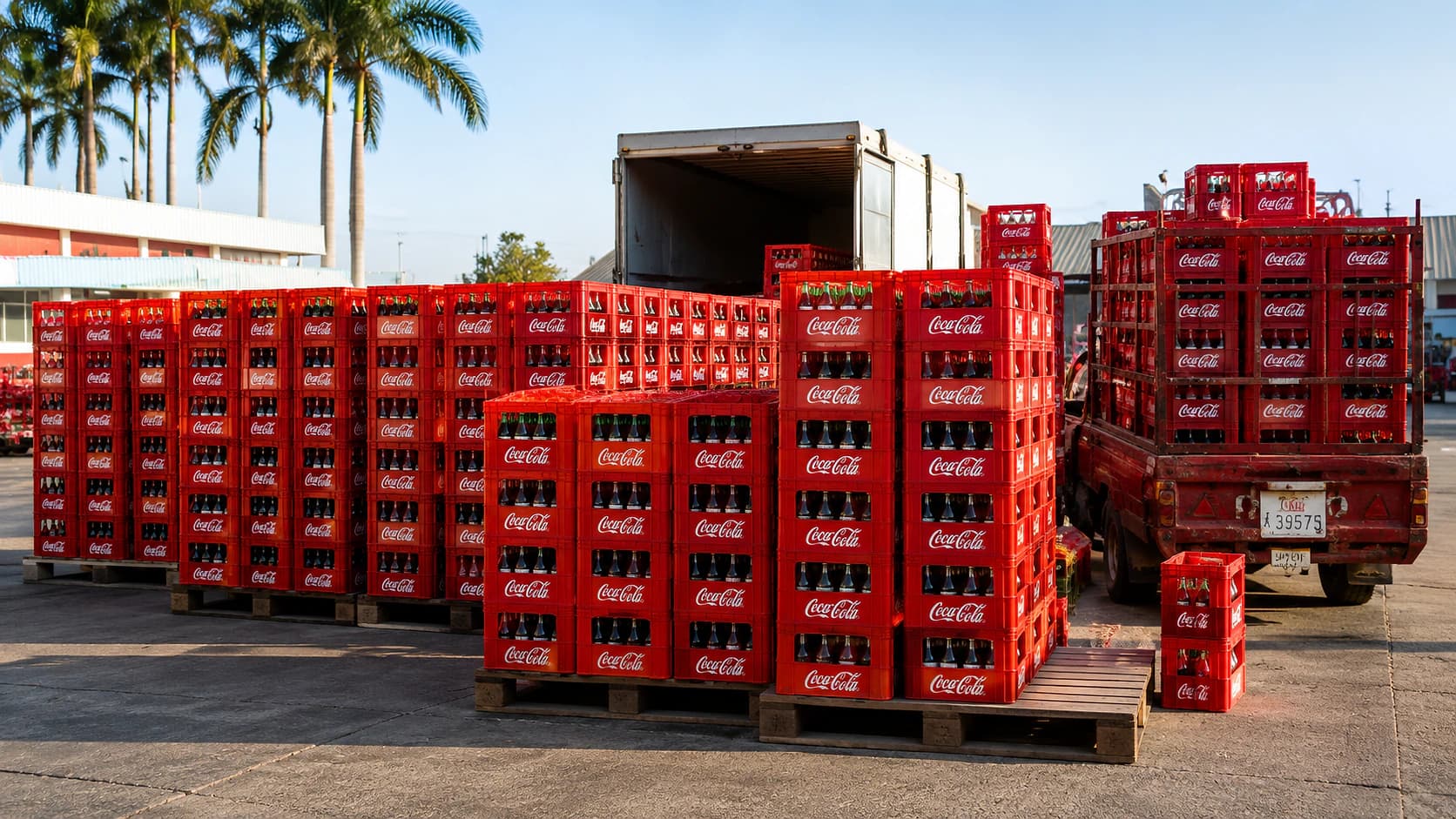
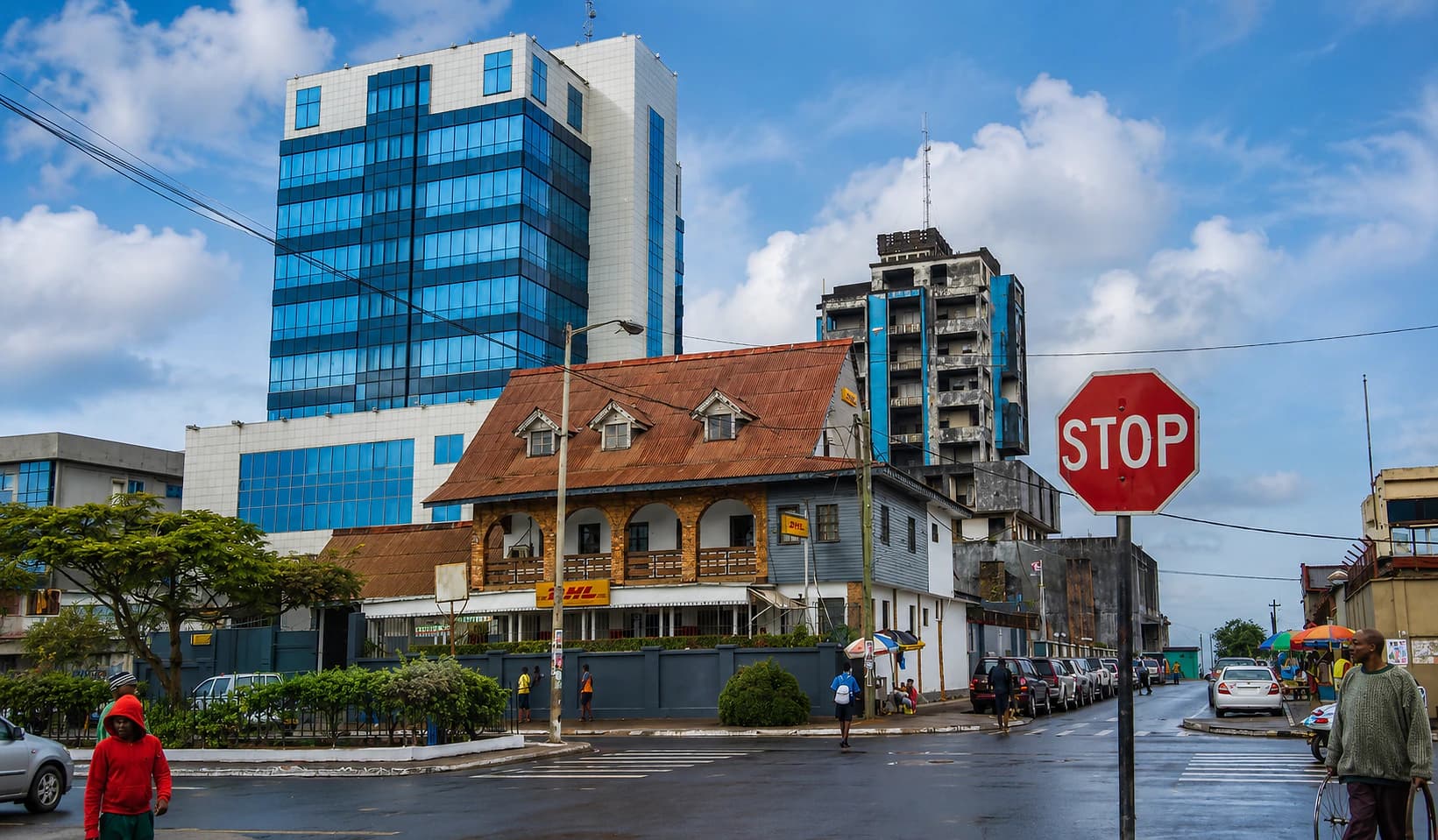
The rest of the economy grew more steadily. Services, the largest sector at US$2.01 billion, rose about 7 percent, with trade and hotels up 8.3 percent. Manufacturing grew about 9 percent to US$331 million, supported by higher cement and beverage production. Agriculture and fisheries — the sector that supports the largest share of livelihoods — grew just 1.3 percent in value to US$1.40 billion, though in real terms the gain was a firmer 4.7 percent.
Growth above 4 percent, sustained, is the difference between an economy that slowly raises living standards and one that merely keeps pace with its population. On that test, 2025 was a modest success: GDP per capita rose 2.4 percent in real terms, meaning average output per person increased rather than being eroded by population growth, which LISGIS estimates at well over five million people.
But the gains are narrowly based. Mining's growing share concentrates the economy's fortunes in a sector that employs relatively few Liberians directly and is exposed to global commodity prices. Agriculture, which occupies most of the workforce, grew slowest in nominal terms — a long-running pattern in which headline growth and broad-based livelihoods move at different speeds.
The risks cut in one direction. A fall in iron-ore or gold prices would hit growth, export earnings and government revenue at once. Public debt stood at about 54.6 percent of GDP in 2025, according to the World Bank, leaving limited fiscal space if commodity revenues disappoint. The World Bank and IMF both project growth of roughly 5.0 to 5.5 percent for 2026, premised on continued mining strength.
What to watch is whether that growth materializes, whether it spreads beyond the mining enclave into agriculture and services, and whether the government can convert it into the revenue and public services that would make it felt in ordinary lives.