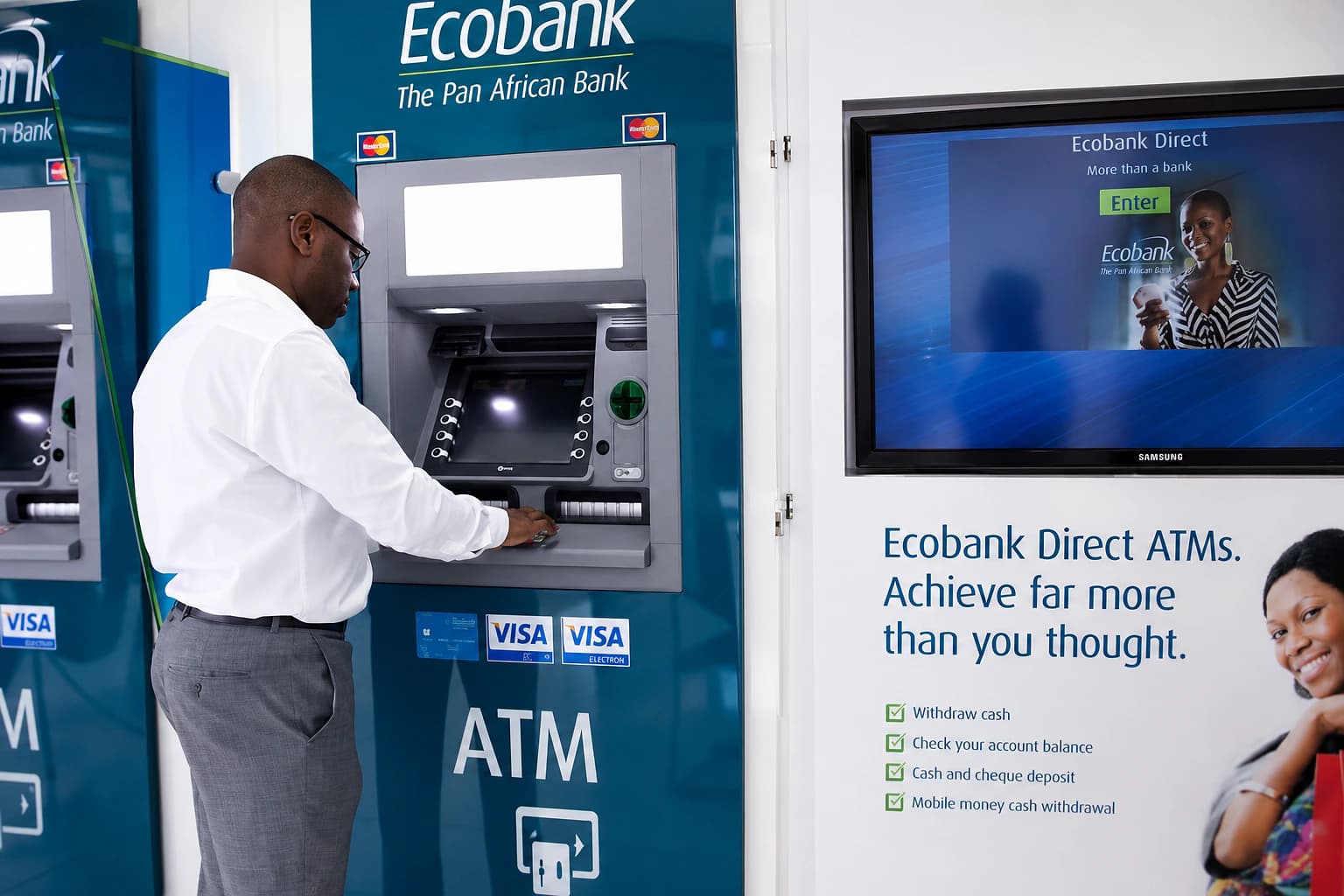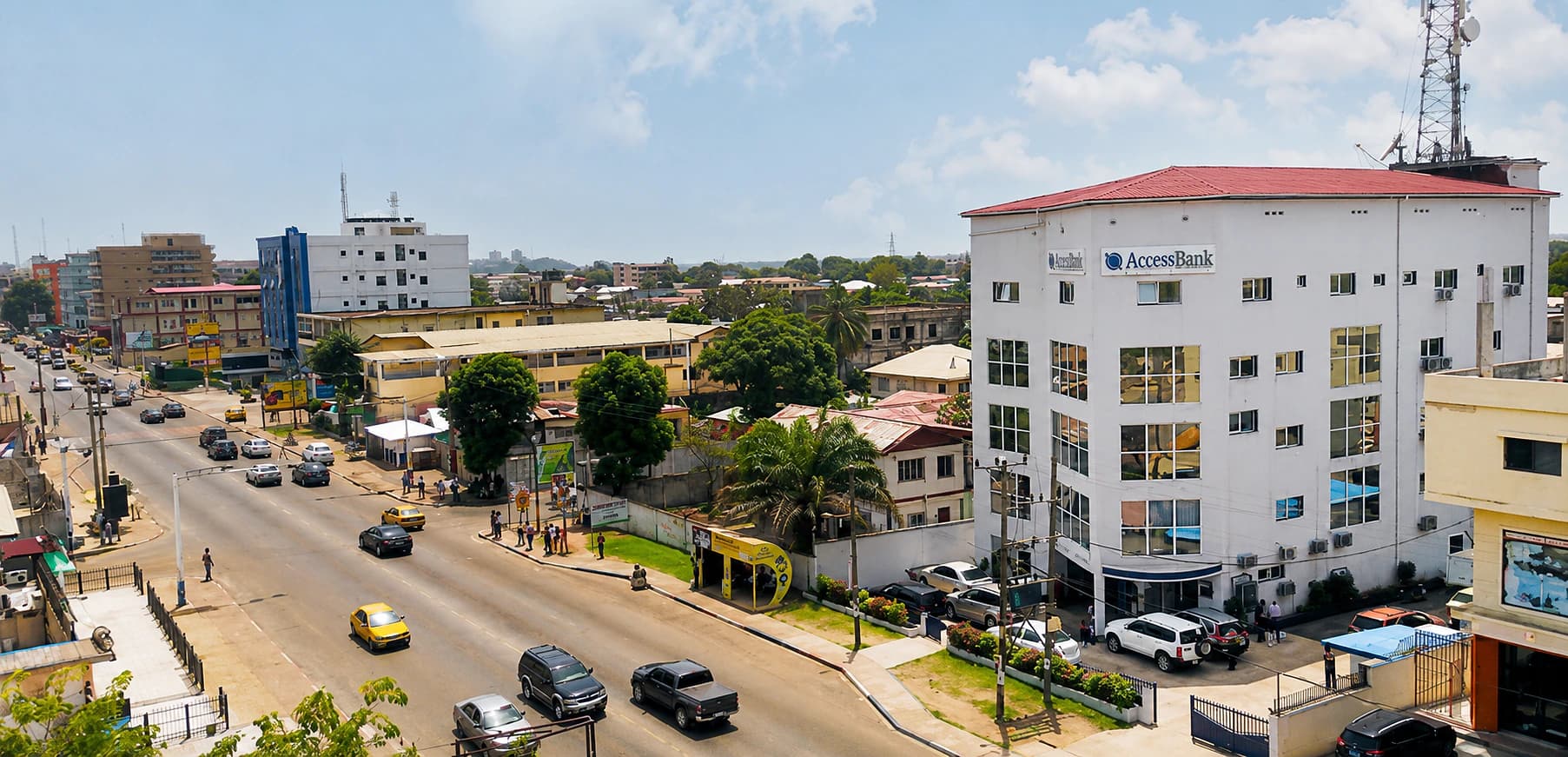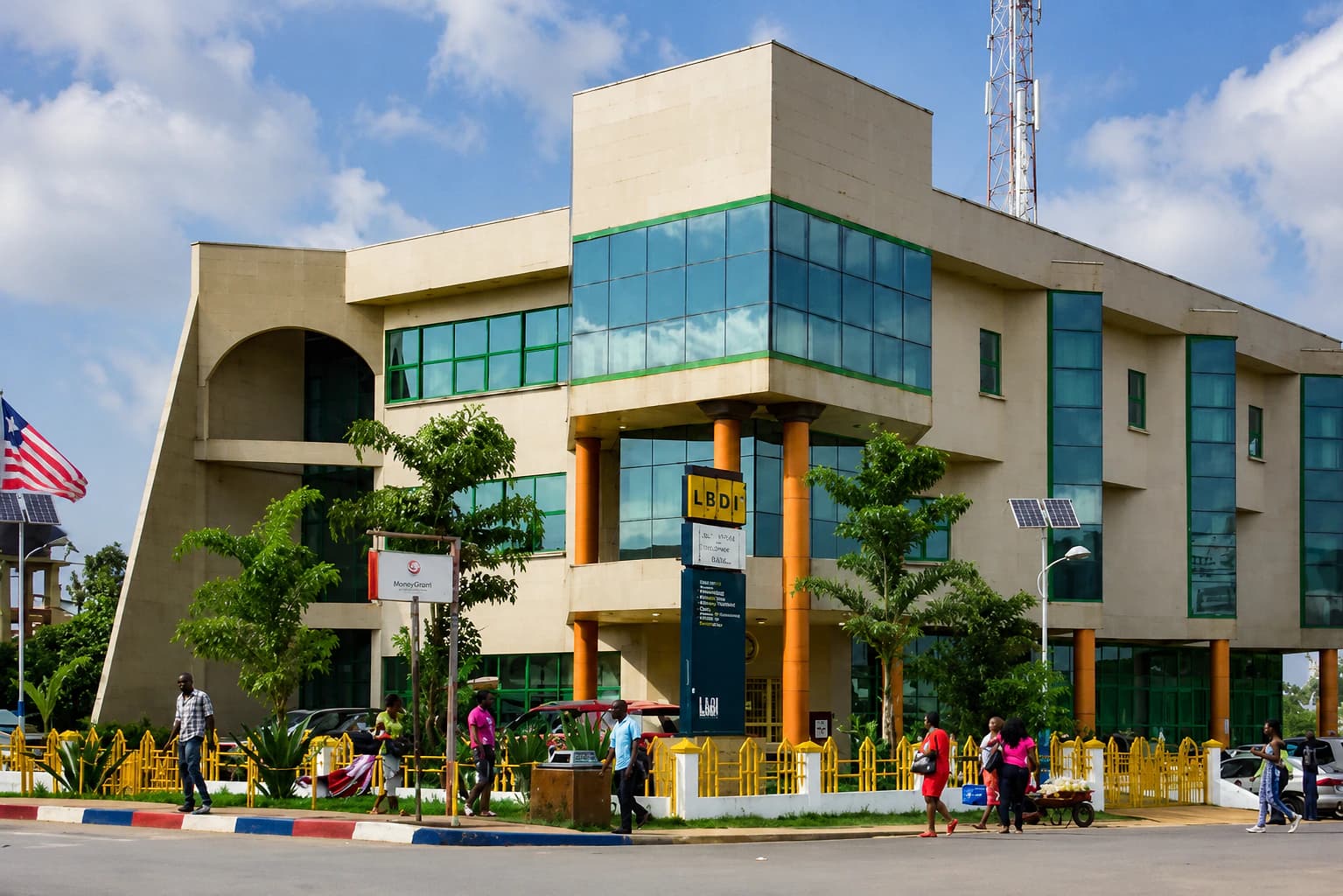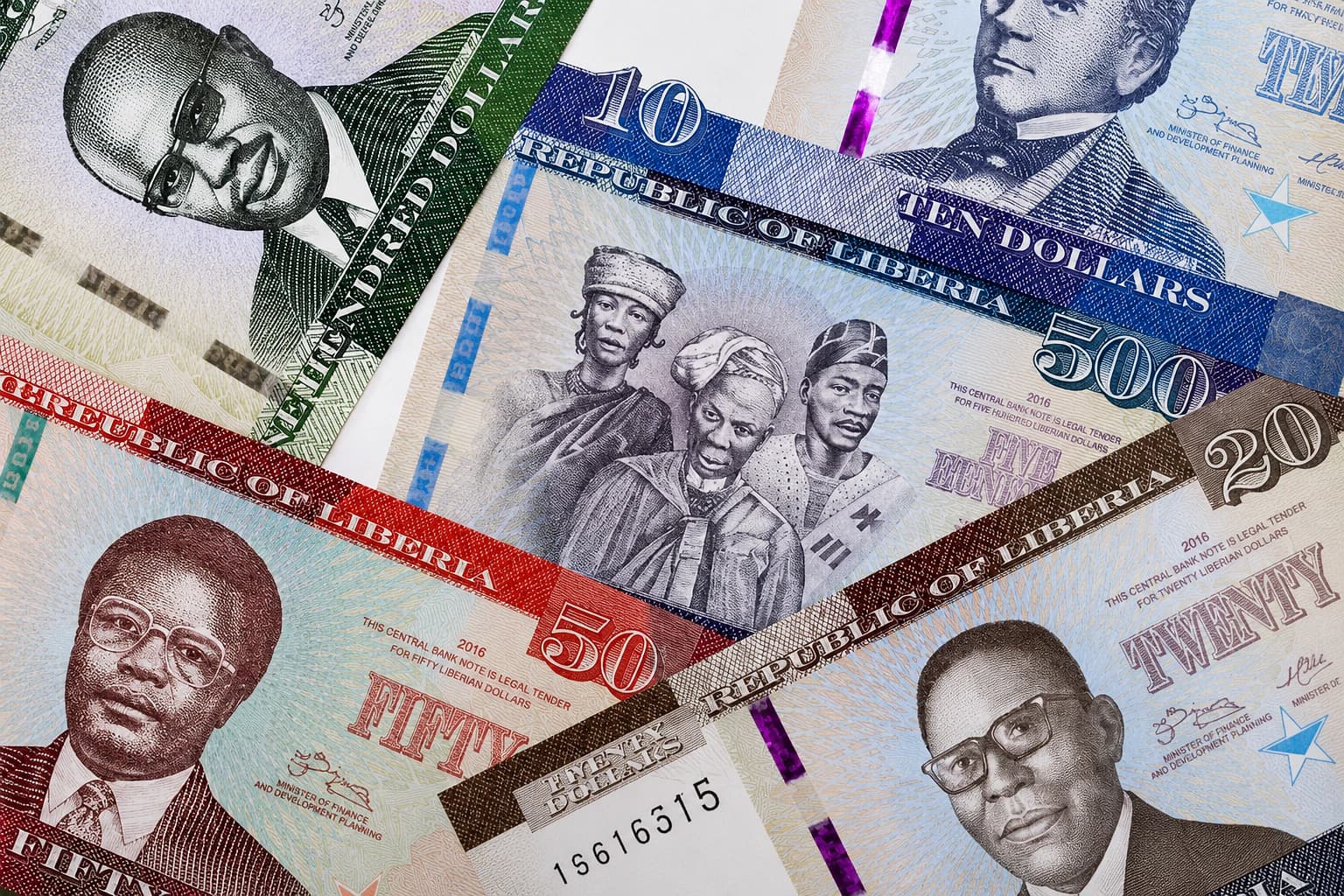
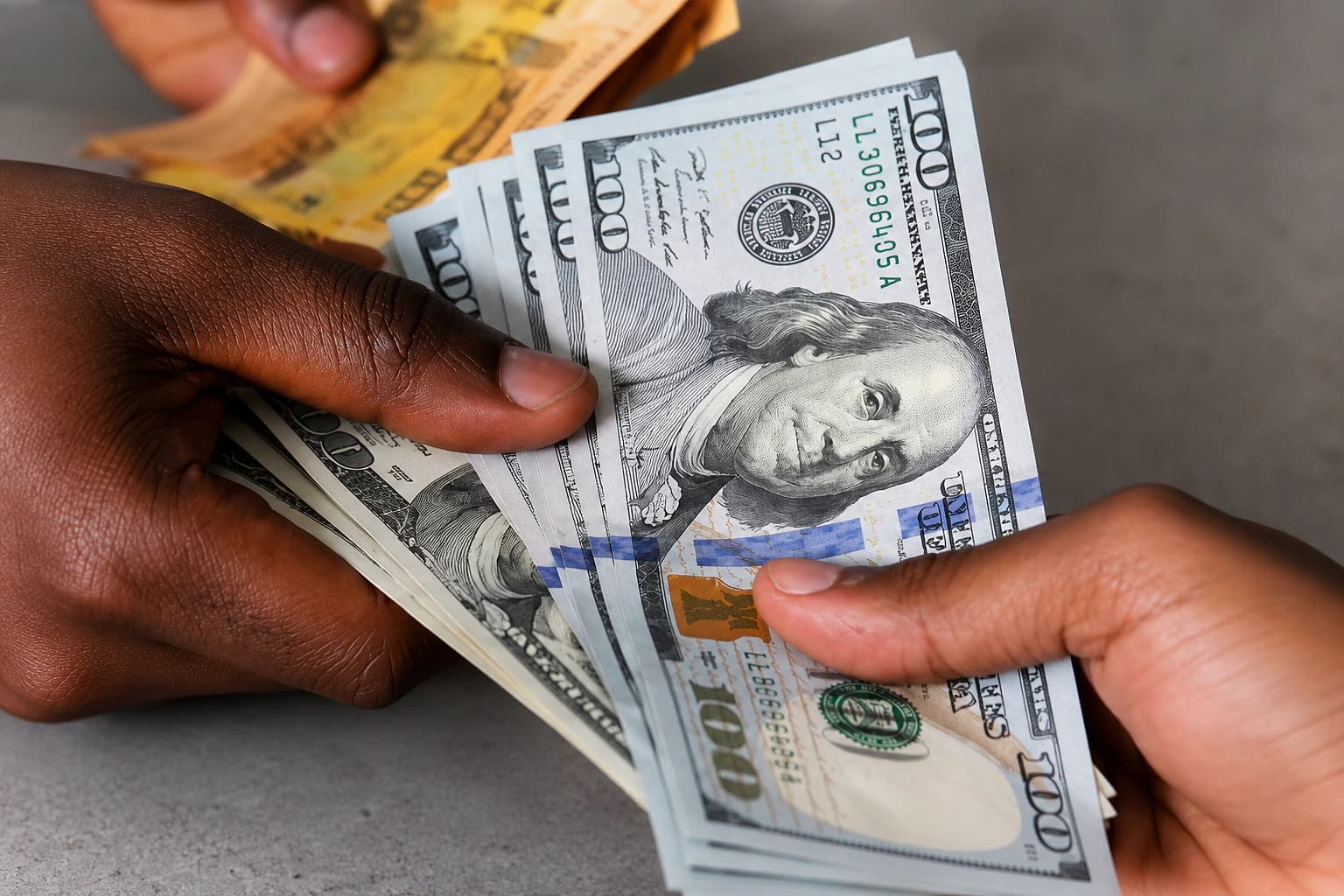
Liberians continue to hold a large and growing share of their money in cash rather than in banks, according to monetary data published by the Central Bank of Liberia (CBL) — a pattern that shapes how credit flows and how effectively monetary policy works.
Currency held outside depository corporations rose to L$38.7 billion in February 2026, up 22 percent from L$31.8 billion a year earlier — far faster than the growth in bank deposits over the same period. In an economy expanding around 4 to 5 percent, cash in hand grew several times faster.
Deposits grew more slowly. Demand deposits were little changed over the year at L$168.5 billion, while time and savings deposits grew 8 percent to L$81.7 billion. The result is a financial system in which physical cash is gaining ground relative to formal, intermediated savings.
The pattern points to persistent cash preference in an economy where an estimated 40 percent or more of activity takes place outside the formal sector. Many wages, market transactions and rural exchanges are settled in physical notes — and in US dollars as well as Liberian dollars, given the dual-currency system — rather than through bank accounts.
A high share of cash outside banks has real costs. Money held as cash is money not available for banks to lend, which tightens the pool of credit for businesses and households already facing high borrowing rates. It also weakens the transmission of monetary policy: the CBL's policy rate works largely through the banking system, so the more money sits outside it, the less traction the central bank's decisions have on the wider economy.
Low returns reinforce the habit. With the average savings account paying around 2 percent — below inflation — households have little financial incentive to move cash into deposits, and limited bank-branch access outside Monrovia compounds the problem in rural areas.
Against that backdrop, digital payments are the most promising channel for change. Mobile money has spread rapidly, and in December 2025 the CBL launched an interoperable instant-payment system that lets the country's two dominant mobile-money networks transfer to each other in real time. By making digital value easier to move and store, such systems could, over time, pull more money out of cash and into traceable, formal channels — though mobile-money balances are not the same as bank deposits.
Greater financial inclusion would have benefits beyond convenience: more deposits to fund lending, better data on incomes, and stronger monetary-policy transmission. The constraints are trust, access and the low returns on formal savings.
What to watch is whether deposit growth and the spread of digital payments gradually pull more money into the formal financial system, or whether cash preference persists as a defining feature of the economy.