
MONROVIA — Liberia owes more to foreign creditors than to lenders at home. External debt stood at US$1.63 billion at the end of December 2025, about 57.7% of the country's US$2.82 billion in total government debt, according to the Central Bank of Liberia (CBL) and Ministry of Finance data.
Domestic debt, owed largely to commercial banks and the central bank, made up the remaining US$1.20 billion. The division is more than an accounting detail: external and domestic debt behave differently and carry different risks for the economy.
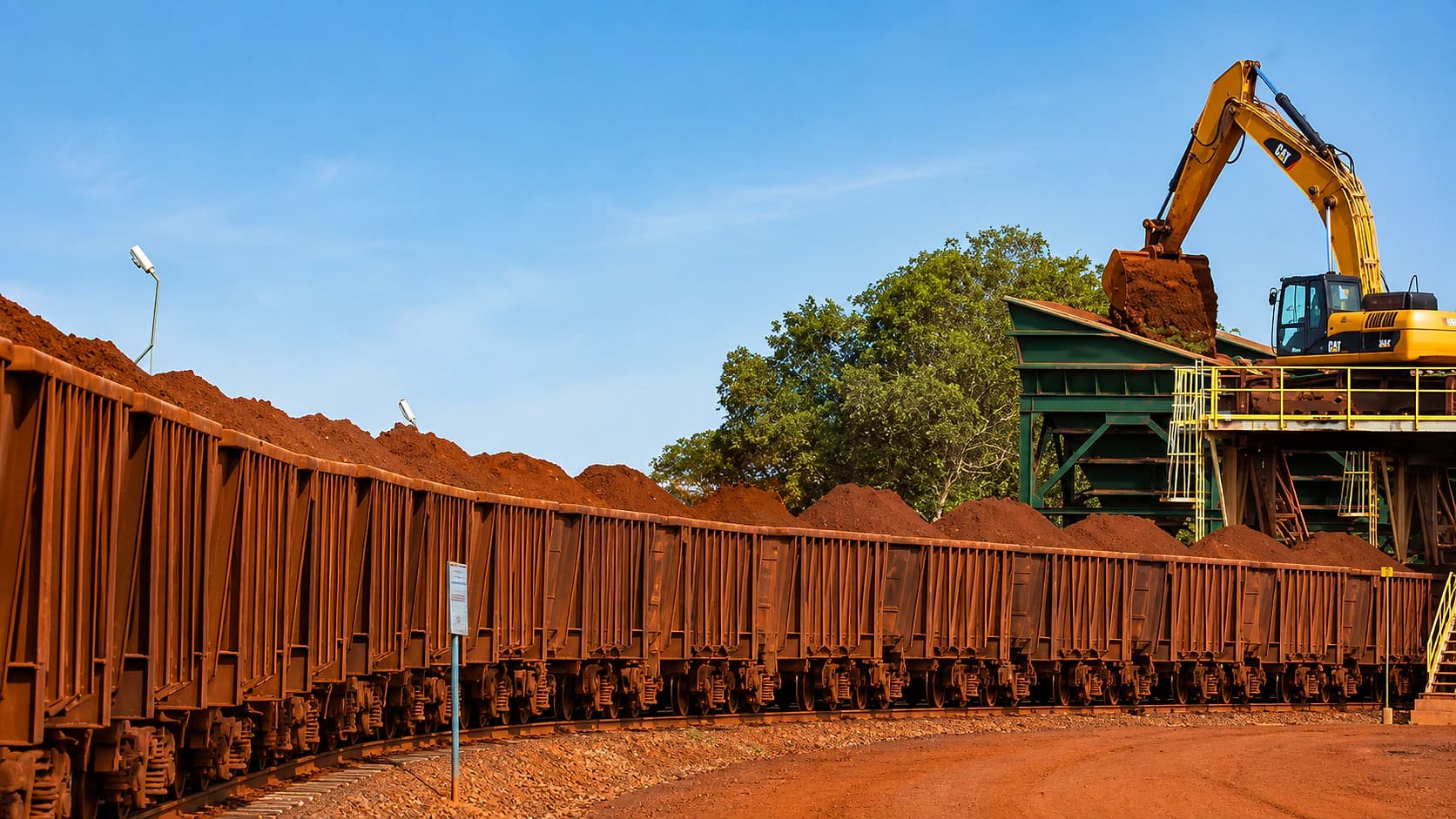
External debt must be repaid in foreign currency. That ties debt service directly to the dollars Liberia earns from exports such as gold and iron ore and from remittances, and it means a weaker Liberian dollar raises the local-currency cost of every repayment. Much of the external stock is concessional, owed to multilateral institutions on long maturities and low interest rates, which softens the immediate burden.
Domestic debt carries a different cost. When the government borrows from local banks, it competes with businesses and households for a shallow pool of credit, and banks that can lend safely to the state have less reason to take on the risk of private lending. That dynamic is visible in Liberia's flat private-sector credit and stubbornly high lending rates.
External debt rose through 2025 from US$1.57 billion in March to US$1.63 billion in December, while domestic debt climbed more sharply late in the year, reaching US$1.20 billion from about US$1.08 billion in October. The two together pushed the total steadily higher.
For a small, import-dependent economy, the reliance on foreign borrowing is a double-edged feature. Concessional external loans fund investment the country could not otherwise afford, but they accumulate claims on future foreign-exchange earnings, and a downturn in commodity prices would tighten the squeeze.
The two types of debt also carry different rollover risks. Domestic debt must be refinanced in a shallow local market that the government itself dominates, while concessional external loans typically carry long maturities that spread repayment over decades. The mix Liberia holds is, on maturity, relatively favorable — the concern is the steady accumulation rather than an imminent repayment wall.
What to watch is the share of new borrowing that stays concessional, how exchange-rate moves affect the external repayment bill, and whether domestic borrowing continues to crowd out private credit.