MONROVIA — Liberia enters mid-2026 with a fiscal position that is stable at its core but strained at the edges. Tax revenue is holding near US$60 million a month, total spending swings from US$33 million to nearly US$200 million between months, capital investment is repeatedly squeezed to near zero, and government debt has climbed past US$2.8 billion, according to the Central Bank of Liberia (CBL) and Ministry of Finance data.
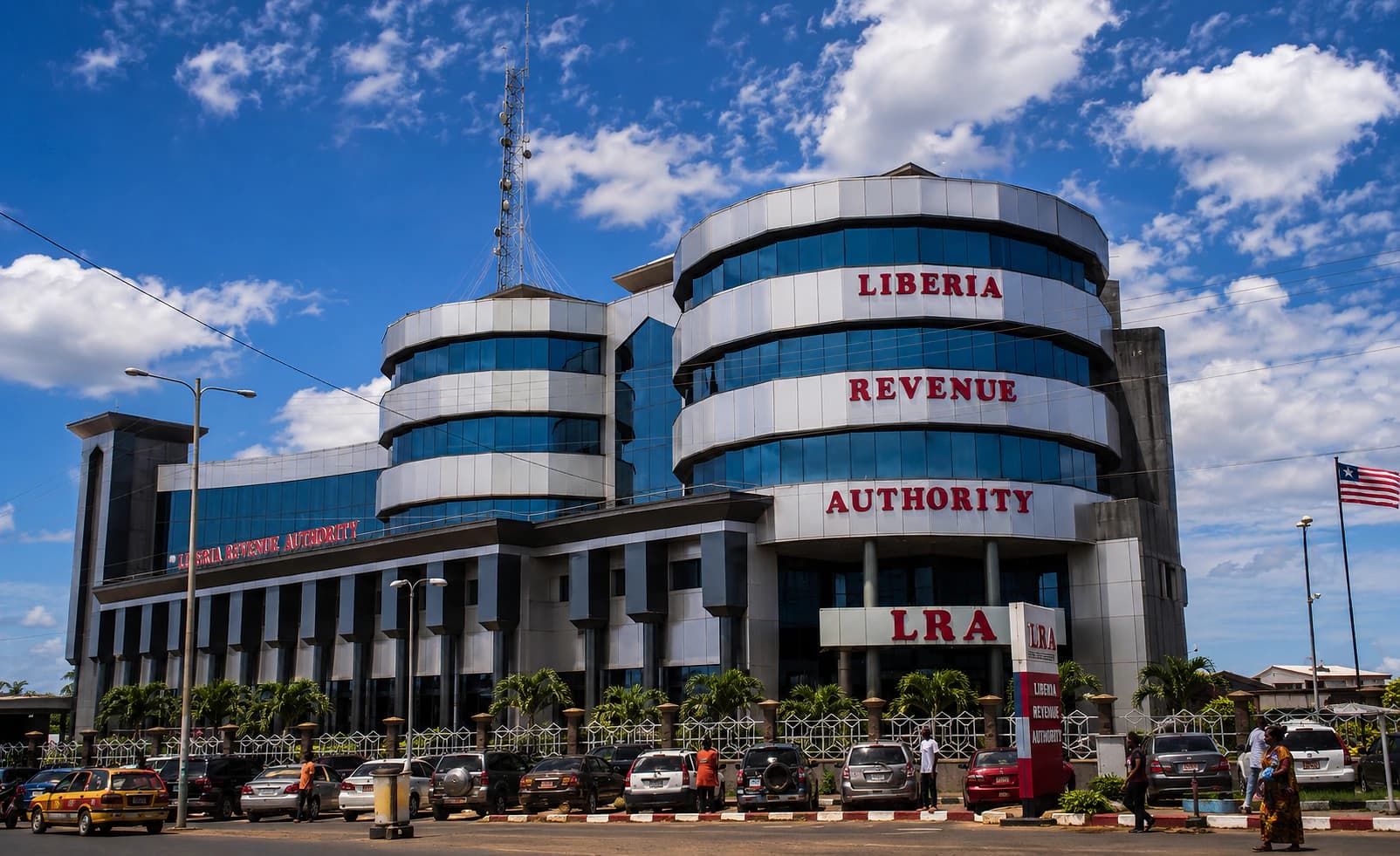
The revenue side is the reassuring part. Tax collection of about US$187.3 million in the first quarter, running above year-earlier levels, gives the budget a steadier base than in the past, and the reliance on domestic taxes rather than volatile donor grants — recorded as nil in the monthly data — makes the budget more self-financed if also more exposed to a narrow tax base.
The spending side is the worry. Expenditure lurches month to month and bunches heavily at year-end, recurrent costs dominated by a large public wage bill crowd out investment, and capital spending — the roads, power and water the economy needs — is the first casualty when cash is tight. A budget executed in bursts is harder to plan, monitor and trust.
Debt ties it together. At US$2.82 billion against a US$5.16 billion economy, and up about 7.2% on the year, the debt stock leaves limited room to borrow for investment or to absorb a shock, and a heavy external share means repayments lean on foreign-exchange earnings from the same commodities that drive the rest of the economy.
The through-line is thin fiscal space. Liberia is growing, and its revenue is improving, but the combination of volatile spending, a rigid wage bill, squeezed investment and rising debt leaves little margin. A downturn in gold or iron-ore prices would hit revenue and the currency at once, tightening the squeeze.
The policy priorities follow from the data: make spending steadier and protect investment, contain the wage bill, broaden the tax base, and keep new borrowing concessional. None is easy, and each runs into political and structural constraints.
Economists have long argued that a resource-rich state like Liberia should capture part of a commodity windfall in a stabilization or sovereign-wealth mechanism, so that a downturn in prices does not force abrupt cuts to salaries and services. With debt rising and spending volatile, the case for building such a buffer in good years is stronger than ever — and harder to act on when every dollar is already claimed.
What to watch through 2026 is whether spending becomes more predictable, whether capital investment is protected, how fast debt grows, and whether revenue gains hold.