Rubber, one of Liberia's oldest export industries, had a difficult start to 2026. Production fell about 30 percent from a year earlier to roughly 3,476 metric tons in March, according to data from the Liberia Institute of Statistics and Geo-Information Services (LISGIS).
Export earnings fell further still. The value of rubber exports dropped to US$7.1 million in March, down about 54 percent from US$15.5 million a year earlier, according to trade data from the Central Bank of Liberia (CBL) — a steeper fall than volumes alone, pointing to weaker prices as well as lower output.
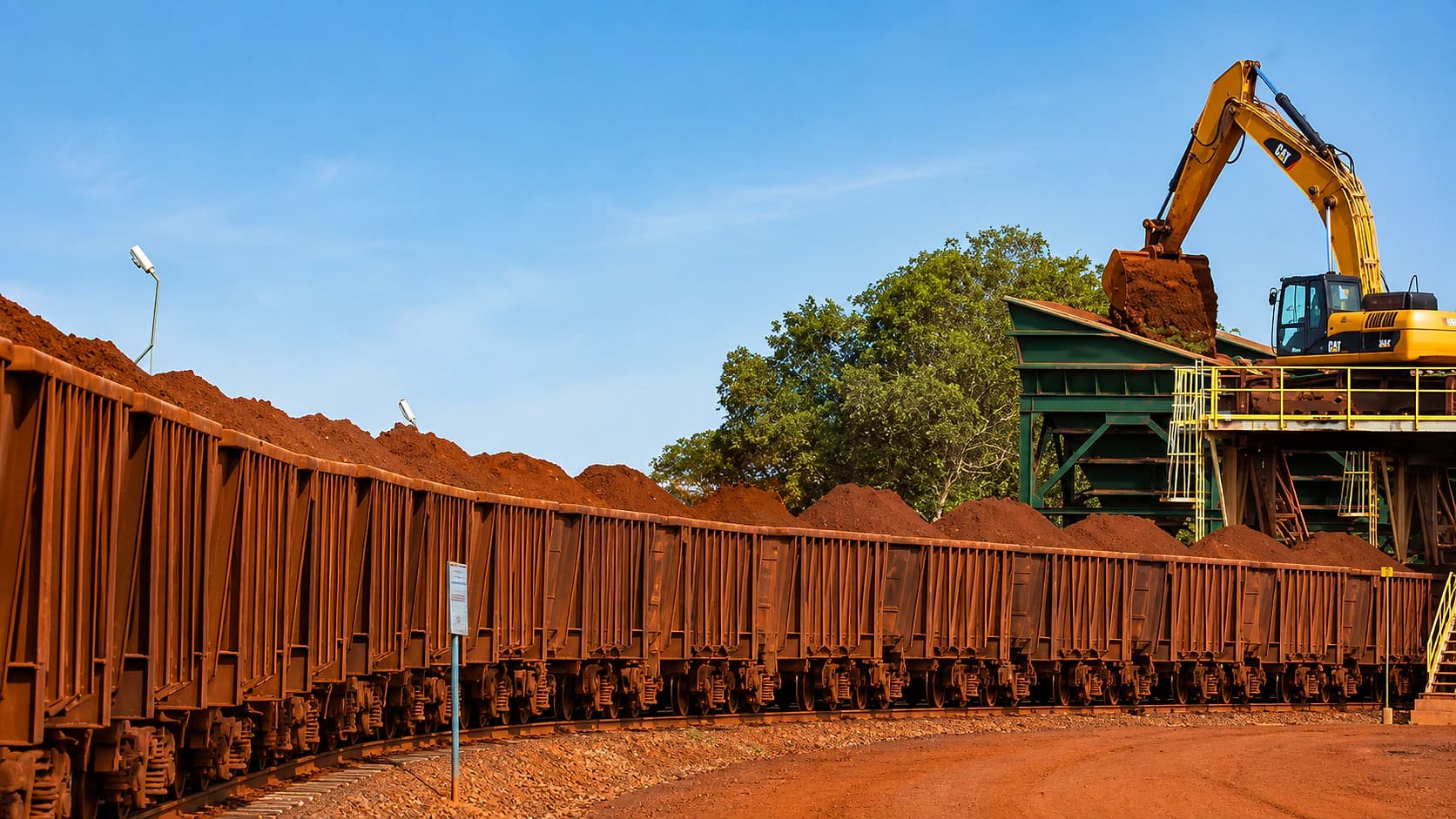
The decline stands in sharp contrast to Liberia's booming mineral exports, where gold and iron-ore earnings have surged. It underscores how unevenly the gains from the 2025 export boom have been distributed — minerals up, traditional cash crops down — and how an economy can post strong headline export growth while one of its oldest industries contracts.
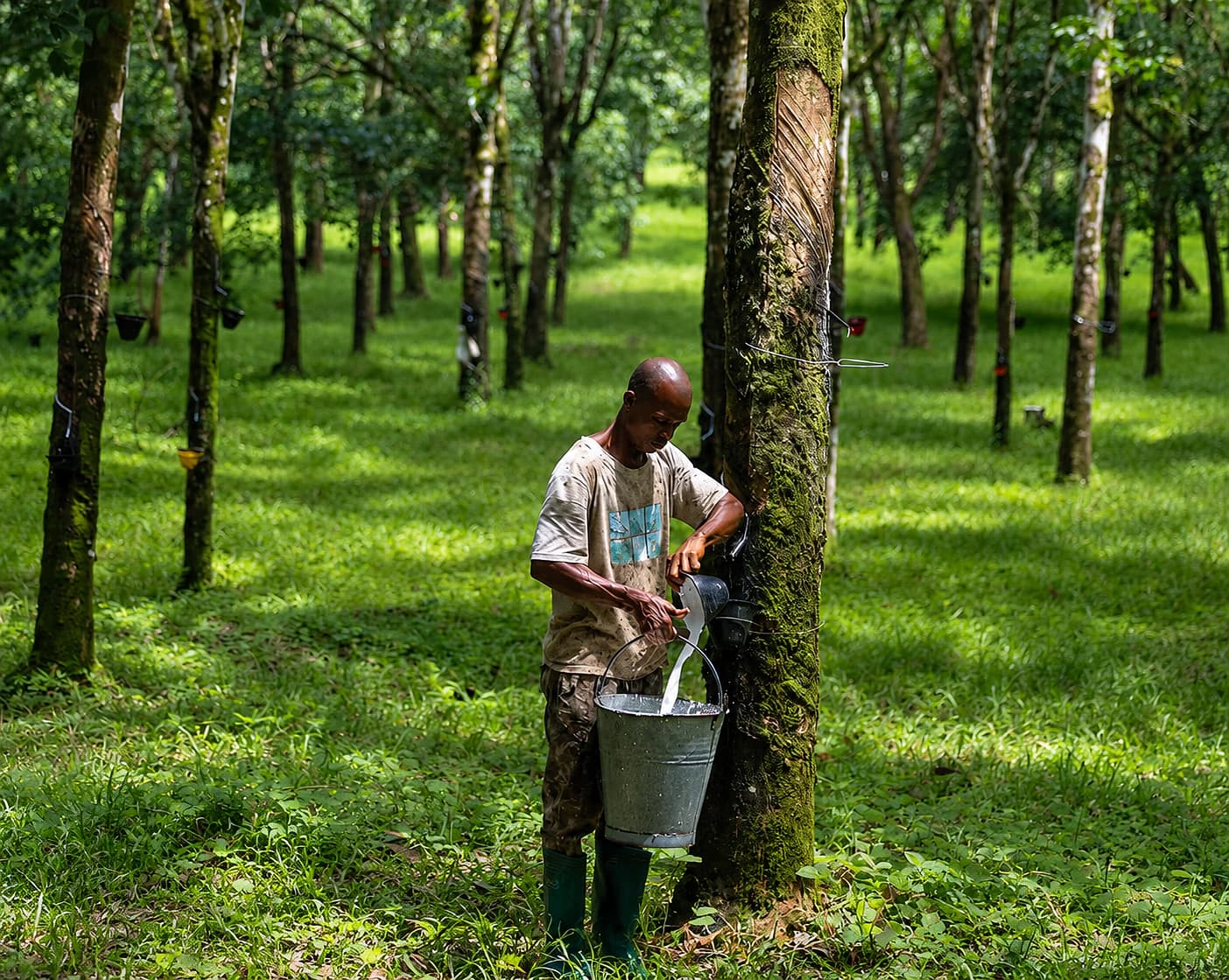
Rubber matters beyond its export value. Centered on large estates, including the historic Harbel plantation, the industry is among the country's largest private rural employers, supporting tens of thousands of workers, tappers and smallholder out-growers. Weaker earnings ripple through incomes in plantation communities where alternative formal jobs are scarce, so a bad year for rubber is felt directly in household budgets across several counties.
There is nuance in the data. In the annual national accounts, the value of rubber output still rose about 5.5 percent in 2025, which suggests the steep monthly declines in early 2026 may reflect timing, global prices or seasonal factors rather than a collapse in the full-year picture. Rubber tapping and shipment volumes vary through the year, and a weak March does not by itself define 2026.
The sector's longer-run challenges are well documented. Many of Liberia's rubber trees were planted decades ago and are past their most productive years, depressing yields. The industry is exposed to volatile world rubber prices, set by demand from tire manufacturers and competition from Southeast Asian producers. And reversing the decline requires replanting — investment that takes years to yield latex and is hard to finance when prices are weak.
Pricing structures have also drawn scrutiny. Smallholders who supply the large estates often capture a thin share of the final export price, leaving them most exposed when earnings fall and least able to invest in new trees.
What to watch is whether the early-2026 weakness reflects global prices, ageing plantations or a temporary dip in volumes, whether output recovers later in the year, and whether replanting and fairer pricing for smallholders gain traction.